
An Idea Born in a Different World
Long before the first hammer swings in the Black Rock Desert, every monumental art piece begins as a flicker of an idea, often thousands of miles away. It might be a sketch on a napkin, a 3D model on a computer,
or a passionate conversation among friends. For months, artists and builders in warehouses and backyards across the country dedicate their lives to these projects. They source materials, solve complex engineering problems, and plan the daunting logistics of transporting a massive, intricate sculpture to one of the most inhospitable environments in the United States. This is the unseen first act: a labor of love and obsession, fueled by the dream of what their creation will become for just one week on the open playa.
Construction Under a Brutal Sun
Arrival on the playa is a shock to the system. The daytime is a world of stark, brilliant light and relentless heat, often topping 100 degrees. Here, the romantic vision gives way to the gritty reality of construction. Teams of volunteers, coated in a uniform layer of fine alkaline dust, work against the clock. Heavy machinery maneuvers massive components into place while builders wrestle with steel, wood, and electronics. The desert is an active adversary; sudden windstorms can threaten to undo a day’s work, and the environment tests not just the structures but the spirit of their creators. During these days, the art is a work-in-progress, its bones exposed, showing the sweat and engineering required to bring fantasy to life.
The Daytime Object: A Study in Form
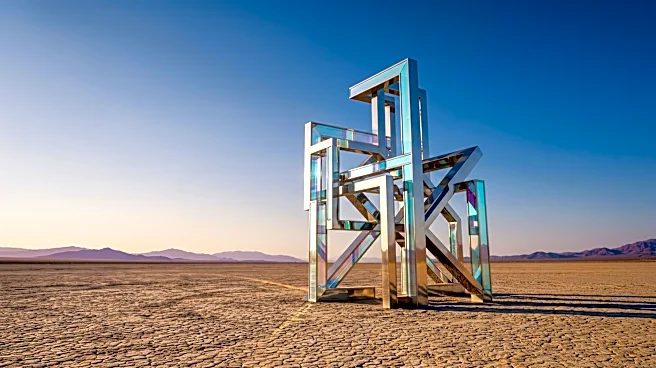
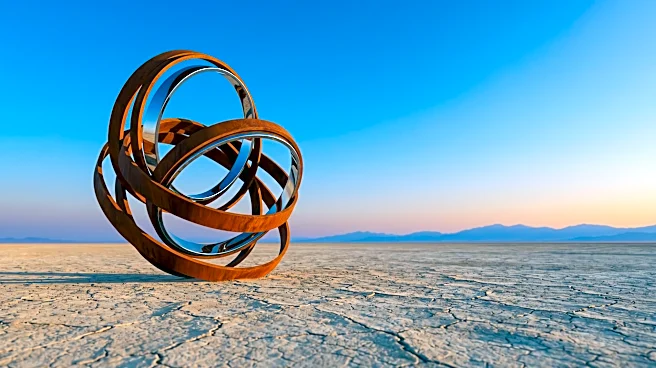
Once assembled, an installation sits under the unforgiving sun, a static object against a vast, flat horizon. In the daylight, you can walk right up and see the details: the welds, the wiring, the texture of the wood, the thousands of pennies on a sculpture of a goose. It’s a piece of art, to be sure, but it's also a tangible, physical thing. You can appreciate its scale and craftsmanship, like the two-part 'Titanic' from the 2026 event, appearing to sink into the desert floor. It’s an impressive sculpture, but in the day, it is just that—a sculpture waiting for its soul to awaken.
Night's Arrival: The Spectacle Ignites
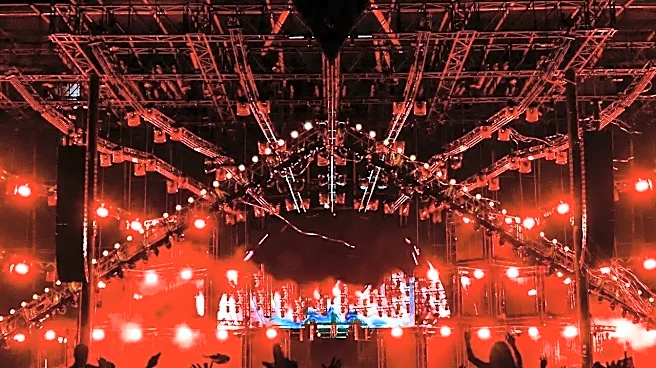
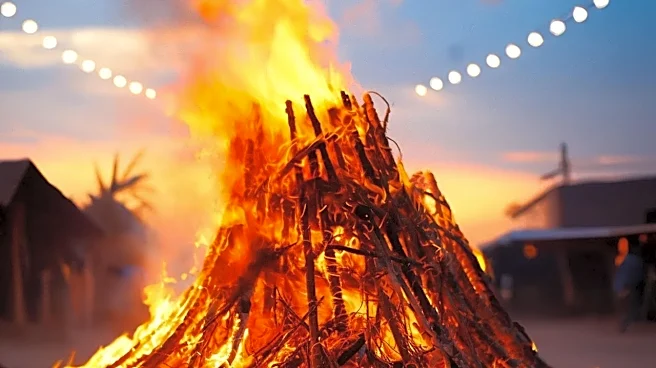
The true transformation begins at sunset. As the desert sky deepens to indigo, a city of light is born. A flip of a switch, the strike of a match, or the boot-up of a program changes everything. Suddenly, the hulking shape is no longer an object but an environment. Enormous structures pulse with sequenced LEDs, like the 60-foot wings of a fire-breathing dragon. Flames erupt from smokestacks, bathing the surrounding playa in a primal glow. The static sculpture becomes a dynamic beacon, a landmark in the darkness that draws people in from miles away. The cold metal and wood now radiate light and, often, heat, creating a sensory experience that is overwhelming and immersive. It's a different universe.
The Art Becomes Alive with People
At night, the art fulfills its ultimate purpose: radical participation. The daytime object that you merely observed becomes a nighttime world you inhabit. Crowds gather, drawn to the light and sound. People climb aboard, slide down, and dance within the structures. A piece might become an impromptu amphitheater for a surprise performance or a quiet refuge for watching the cosmos. The artwork is no longer just the creation of the artist; it is completed by the interaction of the community. Its surfaces reflect the joy, wonder, and connection of the thousands who experience it. In the darkness of the desert, these illuminated behemoths become temporary, sacred spaces where strangers meet and memories are forged.