



The Original Fear: Separation
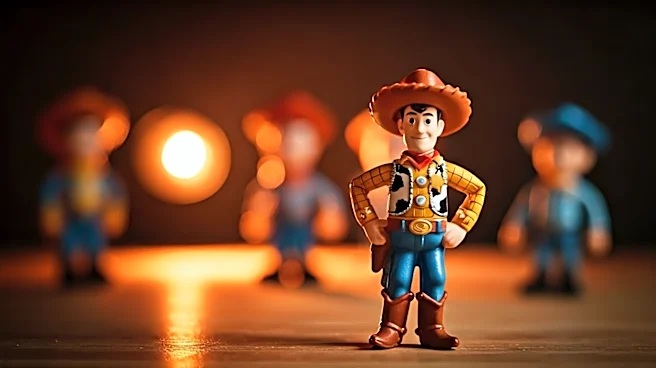
Think back to the first three films. The central conflict, every single time, revolved around a toy’s sacred bond with its owner. In *Toy Story*, Woody’s terror isn’t just about a flashy new space ranger; it’s about being replaced in Andy’s heart. He
fears losing his spot on the bed, his role as the favorite. *Toy Story 2* externalizes this fear with Jessie’s tragic backstory of being abandoned by Emily, a wound so deep it defines her character. And *Toy Story 3* is the ultimate manifestation of this anxiety: the final, inevitable separation as Andy heads to college. The tear-jerking climax isn’t just about the toys facing a furnace; it’s about them facing obsolescence and the end of their primary purpose. The entire trilogy is a beautiful, heart-wrenching exploration of what it means to be loved and the terror of being left behind by the one person you exist for.
The Pivot: Toy Story 4’s Shocking Choice
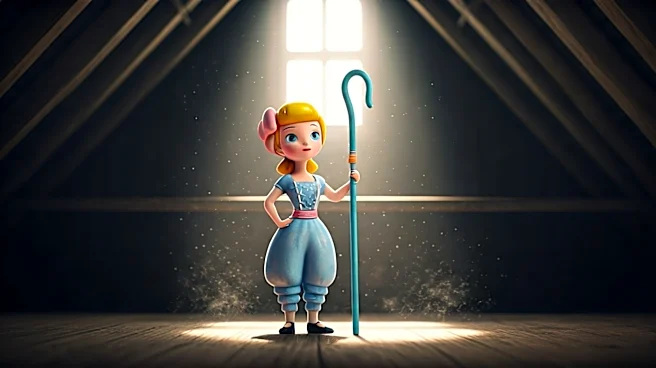
Many felt *Toy Story 3* was the perfect ending. So when *Toy Story 4* was announced, the question was, why? The answer became clear in its controversial finale. The film’s conflict wasn’t about being abandoned by Bonnie. In fact, Woody was already being neglected, left in the closet. The real struggle was internal. Woody’s purpose was no longer secure. His decision to leave Buzz, Jessie, and the gang to become a “lost toy” with Bo Peep wasn’t an act of desperation; it was a radical career change. He chose a new mission: helping carnival prizes find homes. This was the franchise’s pivotal moment. Woody actively severed the bond with a primary owner, the very thing he spent three movies fighting to protect. He chose a different kind of purpose, one not defined by a single child’s bedroom. He traded the stability of belonging for the freedom of being useful, setting the stage for a completely new kind of existential dread.
The New Fear: Relevance
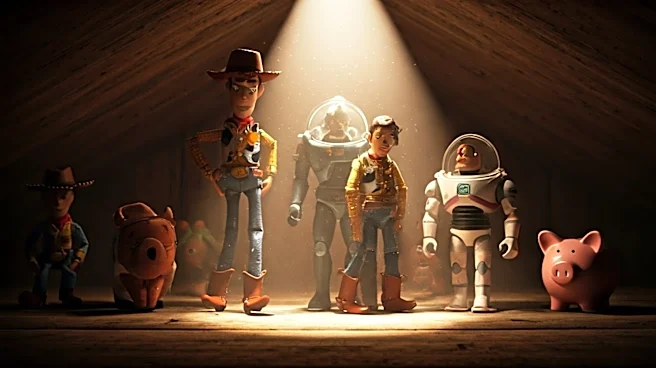
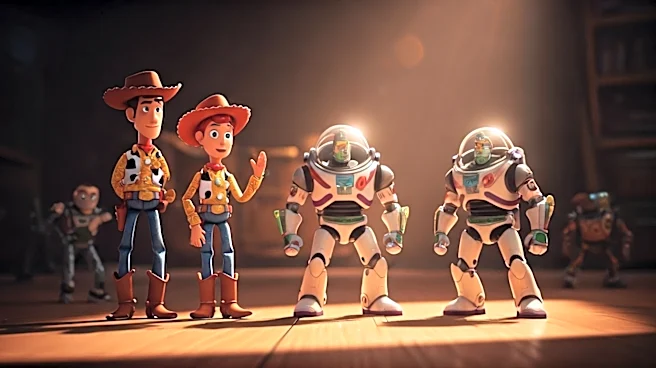
This is where *Toy Story 5* has to live. The old stakes are gone. Woody is a free agent, and Buzz is leading a group of toys without a dedicated owner to orbit. The central question is no longer, “Will our kid still love us?” It’s become, “Do we matter at all anymore?” This is relevance anxiety. In a world of iPads, YouTube, and rapidly changing play patterns, what is a traditional toy’s role? Can a pull-string cowboy and a laser-touting space ranger still compete for a child's attention? The conflict is no longer about a single child’s affection but about their place in a wider, more indifferent world. The potential antagonists aren't necessarily other toys, but the very concept of modern childhood. The drama could come from Woody and Buzz, on opposite sides of this new reality, debating whether it’s better to cling to the old ways or adapt to a world that may not need them as it once did.
Pixar’s Own Existential Crisis
This thematic shift feels especially poignant because it mirrors Pixar’s own journey. The studio that once defined originality in animation is now, like many others, leaning heavily on established IP. After a string of original films like *Soul*, *Luca*, and *Turning Red* found their primary audience on Disney+ and the ambitious *Lightyear* underperformed, Pixar is returning to its safest bet. There's a corporate relevance anxiety at play here. Can Pixar still command the cultural conversation and box office with new ideas, or must it rely on the familiar comfort of characters like Woody and Buzz? In that sense, *Toy Story 5* isn’t just a story about toys searching for their purpose; it’s a story about a legendary animation studio wrestling with its own. The toys’ fight to remain relevant in a changing world is Pixar’s fight, too. If they can stick the landing, they won’t just be justifying another sequel; they'll be making a powerful statement about their own enduring value.