

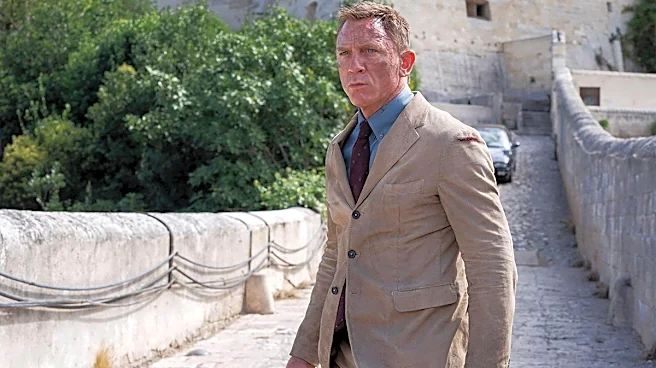
First, What Is a Forward Shoulder Seam?
In traditional tailoring, the shoulder seam of a jacket is designed to sit squarely on top of the shoulder, aligning with a bony point called the acromion. This placement creates a clean, structured frame, which is why it's the standard for formal suits
and blazers. A forward shoulder seam, however, is intentionally shifted to sit slightly in front of that natural shoulder line, rolling over the top of the shoulder toward the chest. This isn't a mistake; it's a deliberate design choice that alters the garment's balance and drape. Many modern patterns incorporate this adjustment because our posture has changed over time, with many people developing slightly forward-rolling shoulders from sitting at desks or looking at phones.
The Functional Advantage: Comfort and Movement
The most immediate benefit of a forward-set shoulder seam is comfort. By moving the seam, a jacket can better accommodate the natural curve of the human body, especially for those with forward posture. This prevents the garment from pulling backward or feeling tight across the upper back and neck. You may have owned a shirt or jacket that constantly felt like it was creeping up your neck—that's often a sign that the shoulder seam is sitting too far back for your body shape. A forward seam provides more room across the shoulder blades, allowing for a greater range of motion without the entire jacket lifting when you raise your arms. This makes it a popular feature in less structured garments like field jackets, bomber jackets, and casual outerwear where ease of movement is a priority.
The 'Attitude' Shift: From Formal to Relaxed
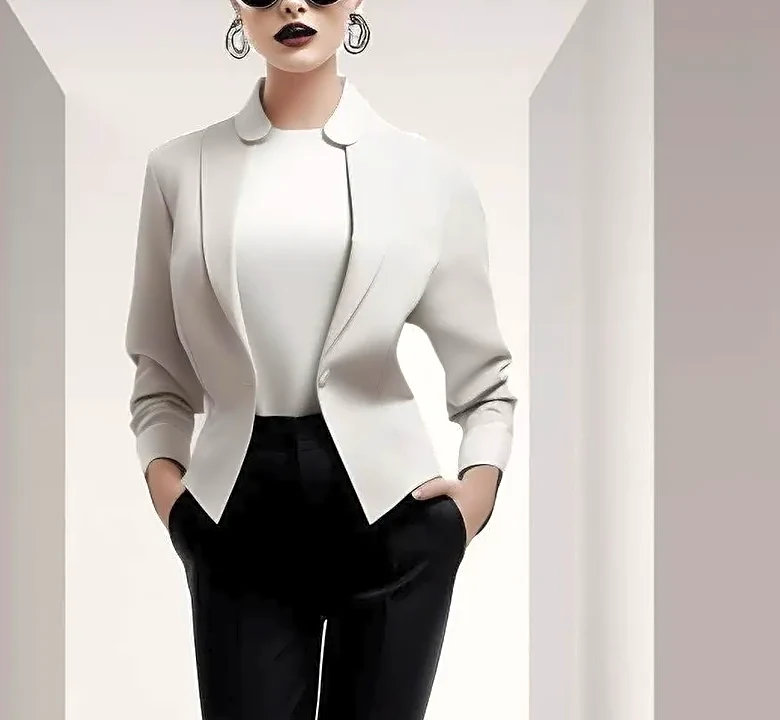
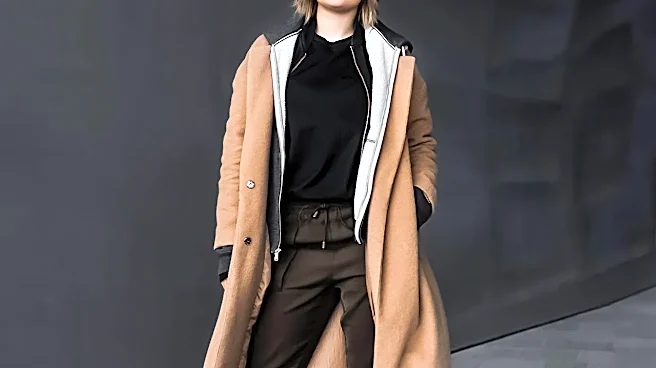
Beyond pure function, moving the shoulder seam fundamentally changes a jacket's aesthetic and 'attitude'. A traditional top-of-shoulder seam, especially when paired with padding, creates a sharp, authoritative silhouette. It defines the frame and projects formality, which is ideal for a power suit. In contrast, a forward-rolled seam softens this line. It de-emphasizes the rigid structure at the shoulder, creating a more relaxed, approachable, and often more modern look. This is why you'll see it on unstructured blazers, chore coats, and overshirts. The jacket drapes more like a shirt, following the body's natural lines rather than imposing a new one. It trades the 'coat hanger' structure for a lived-in feel, suggesting casual confidence over boardroom authority.
How to Spot It (and Why You Should Care)
Once you know what to look for, you'll start seeing this detail everywhere. Lay a jacket flat and look at the side profile. If the back panel appears slightly longer than the front where they meet at the shoulder, it likely has a forward-rolled seam. When trying on a jacket, pay attention to where that seam lands. If it sits cleanly just in front of your shoulder bone and the garment feels balanced, it’s a good fit. If it pulls far back or you feel tension across your shoulder blades, the seam placement might be wrong for you. This one detail is a linchpin for the entire fit; get it right, and the sleeves will hang cleanly, the chest will drape smoothly, and the whole garment will feel like it was made for you. Get it wrong, and even an expensive jacket can feel awkward and restrictive.