





The Rise of Off-the-Rack Festival Fashion
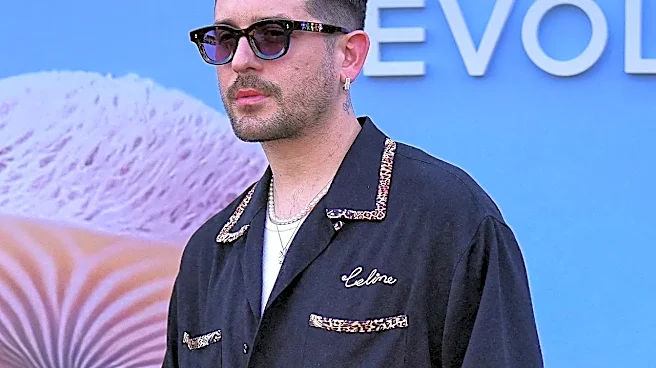
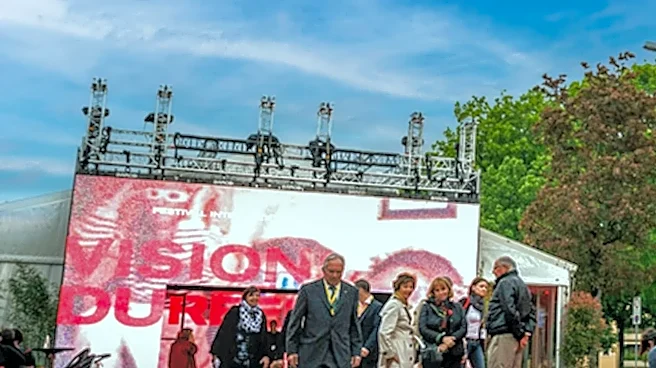
First, let's talk about "standard festival fashion." Think Coachella. For years, its style was defined by a specific boho-chic look: crochet tops, fringe, flower crowns, and denim shorts. Over time, as festivals became major cultural exports, this look became highly
commercialized. Fast-fashion brands now release entire "festival edits," allowing people to buy a pre-packaged identity. The result is often a homogenous landscape of trend-driven outfits, worn to be photographed and posted online. It’s less about personal expression and more about participating in a commercially defined moment. The clothing is a product you consume to fit into the scene, heavily influenced by celebrities and influencers who popularize specific looks each season.
It’s Not a Dress Code, It’s an Ethos
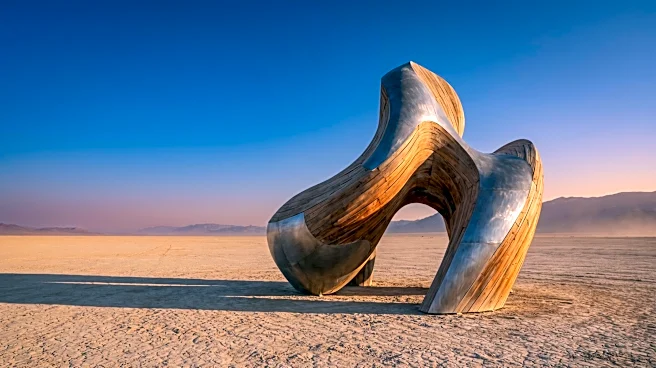
Burning Man operates on a completely different framework, built around its Ten Principles. Written by co-founder Larry Harvey in 2004, these guidelines are a reflection of the community's culture. Three principles, in particular, shape the event's approach to clothing: Decommodification, Radical Self-expression, and Participation. Decommodification seeks to create an environment free from commercial transactions, logos, and advertising. This immediately pushes back against the brand-driven nature of other festivals. Radical Self-expression encourages participants to express their unique individual gifts. And Participation means you are the event; you don't just consume it. Together, these principles transform clothing from a fashion statement into a form of active contribution.
Creation Over Consumption
This is the core difference: standard festival fashion is about consumption, while Burning Man's is about creation and participation. You are encouraged not to buy a look but to build one. Outfits are often handmade, modified, or pieced together over years. The goal isn't to be on-trend, but to be yourself—or a version of yourself you want to explore. This leads to what are better described as "costumes" rather than "outfits." A costume implies a character, a concept, or a piece of wearable art. It is a gift to the community and a form of performance. The absence of commerce means the value of an outfit isn't its price tag, but its creativity, its story, and the effort behind it. This is why you'll see people cover up logos on rental trucks—it's a commitment to protecting the space from the commercial world.
Functionality and Identity in the Desert
Burning Man's harsh desert environment also plays a huge role. The principle of Radical Self-reliance means you are responsible for your own survival against extreme heat, freezing nights, and alkaline dust storms. So, before a garment is expressive, it must be functional. Goggles, masks, durable boots, and warm coats are non-negotiable essentials. This practicality becomes a canvas for creativity. Goggles are bedazzled, dust masks become artistic statements, and massive faux fur coats (essential for the cold nights) are often equipped with LEDs for visibility and spectacle. The clothing is a blend of survival gear and art project. It’s not just about looking cool; it’s about surviving creatively in a temporary city you help build. This fusion of utility and identity is the opposite of buying a disposable, trendy outfit for a weekend.