
The Thrill of the Chase
Our brains are wired for the hunt. Neuroscientists have found that dopamine, often mislabeled as the “pleasure chemical,” is more accurately the “anticipation chemical.” Its release is more potent while
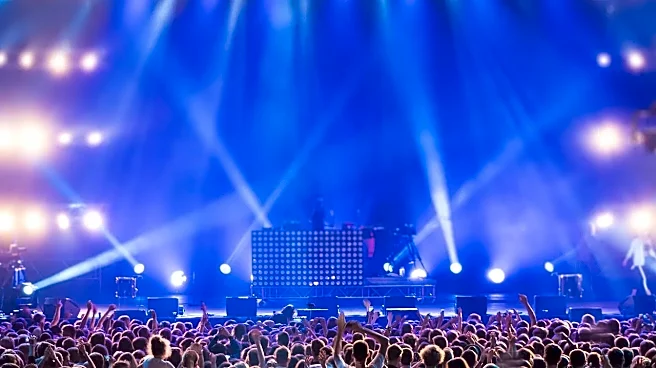
we’re waiting for a reward than when we actually receive it. Think about the excitement of waiting for a package to arrive versus finally opening it. The same principle applies at a concert. The entire show is a build-up, a journey toward the song you and 20,000 other people are dying to hear. That shared anticipation creates a powerful neurological cocktail. The tension builds with every song, creating a state of heightened excitement that can’t be replicated by just hearing the hit song on the radio. The actual performance of the blockbuster hit can sometimes feel like a release, but the true energetic peak often happens in the moments of intense craving just before it.
Finding Religion in a Crowd
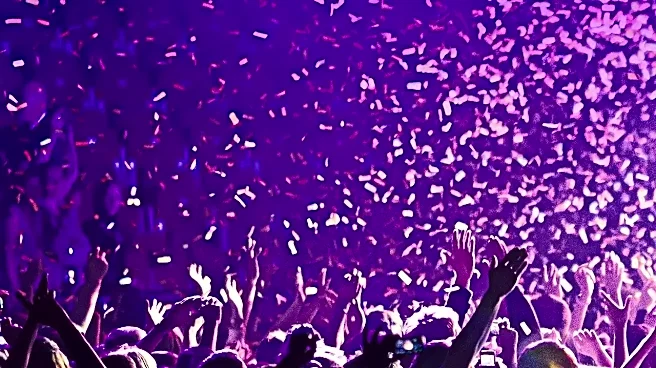
There's a sociological term for that spine-tingling feeling of being swept up in a crowd: “collective effervescence.” Coined by sociologist Émile Durkheim to describe the powerful unity felt during religious rituals, it perfectly captures the secular communion of a live concert. It’s that moment when you’re no longer an individual but part of a single, breathing organism, singing and moving in sync with thousands of strangers. This experience doesn't necessarily require the band’s most famous track. Instead, it latches onto a song that creates a powerful, shared emotional moment. It could be a track with a massive, easy-to-shout-along chorus or a surprising deep cut that makes the dedicated fans feel seen. Recent research shows this feeling of collective connection is a primary driver of well-being at live events, even more so than just hearing a favorite song.
The Art of the Setlist
A great concert isn’t a playlist; it’s a story with an intentional dramatic arc. Professional musicians and tour designers don't just throw their hits at you. They meticulously craft the show's energy, creating waves of intensity and moments of calm. The song right before the encore, or the track leading into the night's biggest anthem, is often strategically placed to be a massive peak. It’s the final push that gets the audience's energy as high as it will possibly go, priming them for the grand finale. By placing a high-octane, unifying song in this slot, the band harnesses the crowd’s peak anticipatory excitement. The encore break itself, while sometimes seen as a gimmick, serves to let that energy build to a fever pitch before the final release.
The Underdog Anthem Effect
The biggest hits come with the biggest expectations. Everyone knows when the chorus is coming, how the solo is supposed to sound, and the exact moment to put their phone in the air. This predictability can sometimes sand down the edges of a raw, spontaneous moment. But a slightly less famous but beloved track—an “underdog anthem”—can sneak up on a crowd and deliver an unexpected emotional punch. These are the songs that foster a unique bond between the hardcore fans who know every word and the casual listeners who are won over by the sheer energy in the room. This shared discovery, this feeling of being in on a secret together, can create a more authentic and powerful peak than the performance of a song that everyone came expecting to hear.