


Gravity, Tension, and the Physics of Hair
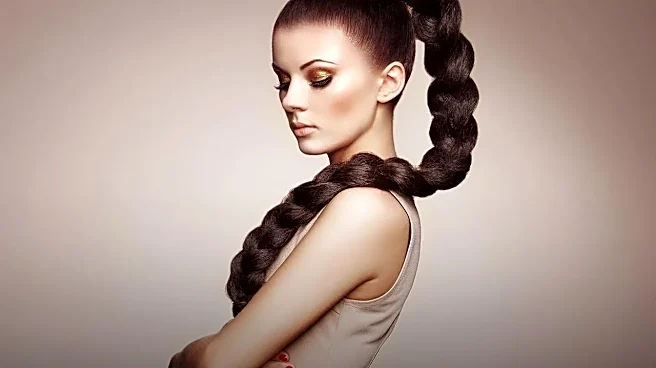
The core difference between a high and mid ponytail comes down to simple physics. A high ponytail, secured at the crown of the head, creates a longer pendulum. As you move, the weight of the hair swings with more force, pulling downwards and sideways.
This constant motion can loosen the base and create sagging. Scientists have even developed a "Ponytail Shape Equation" that accounts for hair's elasticity and the effects of gravity, confirming that a longer, higher ponytail is subject to more destabilizing forces. A mid-level ponytail, positioned closer to the head's center of gravity at the back of the head, is more mechanically stable. It doesn’t have the same arc of movement, so it's less likely to pull, shift, or fall out during intense activity. Think of it as the difference between a long, swinging rope and a short, taut one; the shorter one is simply more secure.
The Impact on Scalp and Hairline Health
Beyond stability, ponytail placement has significant implications for your hair and scalp health. High, tight ponytails are notorious for causing traction alopecia, a type of hair loss resulting from prolonged and repetitive pulling on the hair follicles. The tension is concentrated on the front hairline and temples, areas where hair can be finer and more vulnerable. Over time, this constant strain can permanently damage the follicles, leading to thinning edges. A mid-ponytail generally distributes this tension more evenly across the scalp. Because it often aligns more naturally with the direction of hair growth, there is less pulling at the root. While any tight style can cause stress, shifting to a lower placement can significantly reduce the risk of headaches and long-term hair loss associated with high-tension styles.
The Quest for a Perfectly Sleek Finish
Achieving that glass-like, sleek surface is a key goal of the "match-day" ponytail, and placement plays a surprisingly large role. To create a high ponytail, you have to pull hair from the nape of your neck and your hairline upwards, often against its natural growth pattern. This makes it much harder to control bumps and flyaways, requiring more gel, hairspray, and brushing to force every strand into submission. A mid-ponytail is more forgiving. Since the hair is gathered closer to where it naturally falls, it’s easier to smooth it down without fighting its texture. You can achieve a sleek look with less tension and less product, which also means less buildup and potential for the dreaded flaking that can happen with heavy gels.
How to Build a Better, Match-Day Ponytail
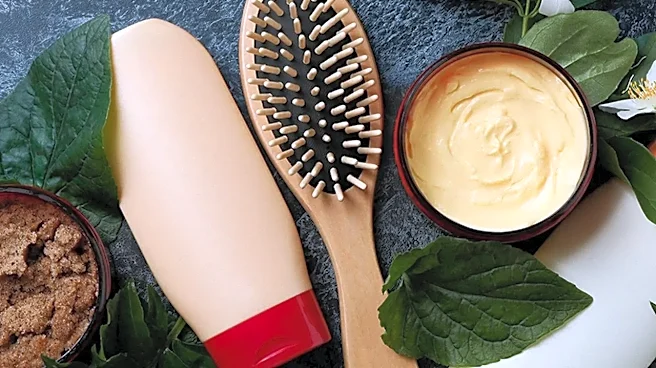
Whether you choose a high or mid placement, the durability of your ponytail depends on technique. First, prep is key. Starting with stretched or straightened hair provides a smoother canvas. Use a strong-hold gel or styling cream on dry or slightly damp hair, not soaking wet hair, as wet hair is more fragile. A boar bristle brush is essential for smoothing down flyaways and creating a uniform surface. For a high ponytail, some stylists recommend creating a small "anchor" ponytail first at the crown to prevent the style from shifting. To secure the final ponytail, use fabric or coil ties instead of traditional elastics with metal clasps, which can snag and break hair. Finally, lock everything in with a finishing hairspray and, for an extra-sleek look, smooth a wax stick over the top to tame any lingering flyaways.