
More Than Just Old Cartoons
The massive show floor at the Javits Center is a testament to the power of 'new nostalgia'. This isn't your parents' attic; it's a curated, commercialized version of the past, repackaged for the present. Vendors aren't just selling dusty longboxes of old
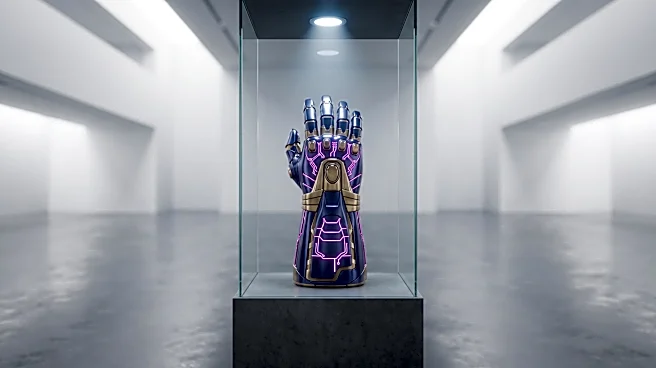
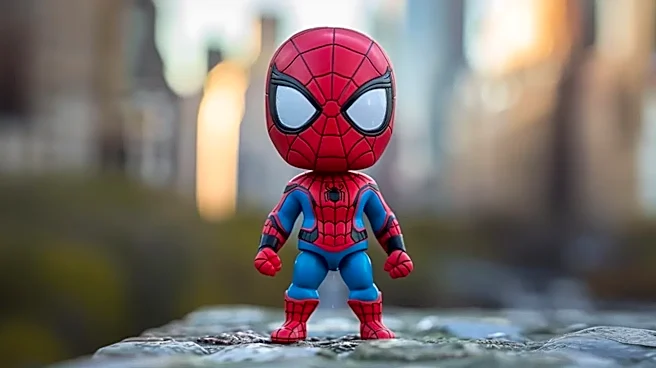
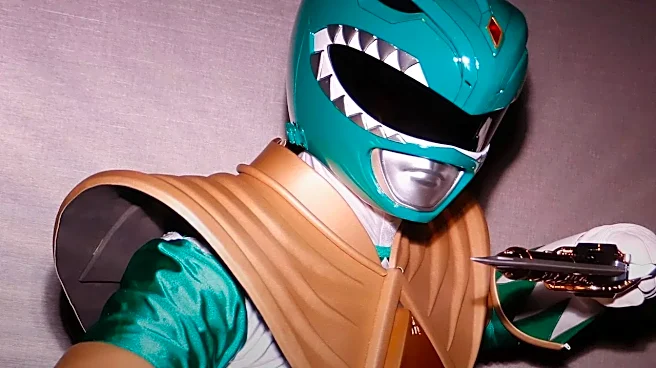
comics; they're dropping exclusive, limited-run merchandise that leans into collective memory. Think premium hoodies celebrating 'Batman: The Animated Series', high-end Funko POP! figures of '90s video game icons, or variant comic covers that pay homage to classic art. These items aren't old. They are brand-new products designed to feel old, providing a direct pipeline to a simpler time. Major brands like Funko and DC Comics build entire NYCC strategies around these drops, offering bundles and exclusives that sell out in minutes. It's a market built not on the scarcity of the original, but on the manufactured scarcity of the tribute.
The Feeling You're Actually Buying
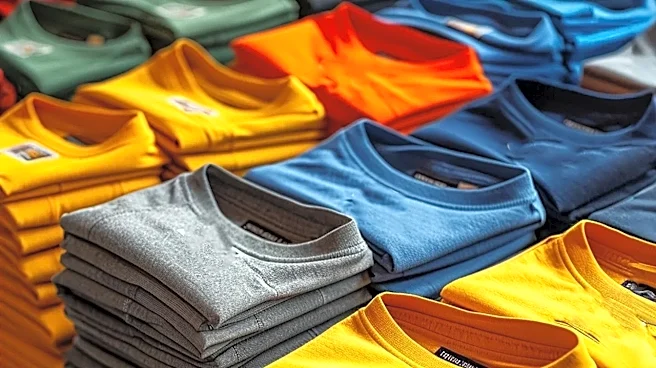
So, why pay premium prices for a brand-new shirt celebrating something from decades ago? Because you're not just buying cotton; you're buying a feeling. Psychologists refer to this as the 'nostalgia premium', where positive memories make consumers willing to spend more. In turbulent times, the past can feel like a safe harbor. Owning a tangible piece of a cherished memory—whether it's a 'Ghostbusters' enamel pin or a 'Star Wars' crew sock set—provides a sense of comfort and continuity. It's an emotional purchase, connecting us to the version of ourselves that first fell in love with these stories. This 'rosy retrospection' makes us remember the past more fondly than it might have been, editing out the awkward parts and leaving only the warm glow of Saturday morning cartoons or the thrill of an after-school video game session.
The Vendor's Playbook for Authenticity
The success of new nostalgia isn't accidental; it's a carefully executed strategy. Vendors and creators have mastered the art of 'manufacturing authenticity'. It starts with understanding the audience. They know that a fan of an obscure anime or a cult classic comic is looking for something that shows they're 'in the know'. The designs often use original art styles but are printed on higher-quality materials than were available in the past. Exclusivity is the main driver. By branding items as 'NYCC Exclusives' and producing them in limited quantities, companies create an immediate sense of urgency. The convention floor becomes a treasure hunt. This year, for its 20th anniversary, NYCC even has a Coney Island theme, adding another layer of retro framing to the entire event. This curated approach ensures that the new merchandise feels special and earned, not like a cheap cash-in.
Nostalgia as a Shared Language
Ultimately, this phenomenon is about more than just commerce; it's about community. In a crowded convention hall, wearing a T-shirt featuring a deep-cut character is a signal to other fans. It says, 'We share this'. It’s an instant icebreaker and a badge of identity. Conventions have always been about finding your tribe, and nostalgia provides a powerful, shared vocabulary. It allows attendees to connect over a mutual history, whether they actually lived through it or are discovering it for the first time. The merchandise becomes the physical manifestation of that bond. It’s proof that these stories, characters, and worlds still matter deeply to a large and passionate audience that is eager to celebrate them together.