






For years, the great denim debate has raged: are you Team Skinny or Team Loose? But the tension isn't really about the jeans themselves. It’s about the muscle memory of getting dressed and a fundamental shift in how we approach style.
The Comfort of a Proven Formula
For the better part
of two decades, skinny jeans were more than just a piece of clothing; they were a styling shortcut. The formula was simple and effective: tight on the bottom, allowing for volume on top. This gave rise to a whole ecosystem of garments designed to complement the slim silhouette. Think of the long, flowing tunics, oversized cardigans, and cocoon sweaters that dominated closets. Footwear was equally straightforward—the skinny jean’s tapered ankle was the perfect partner for the ubiquitous ankle bootie, creating a clean, unbroken line. This wasn't just a trend; it was a uniform. It became a habit, a comfortable and reliable equation for looking put-together with minimal effort. The skinny jean didn't require much thought, which was precisely its power and, ultimately, its limitation.
A Whole New Styling Language
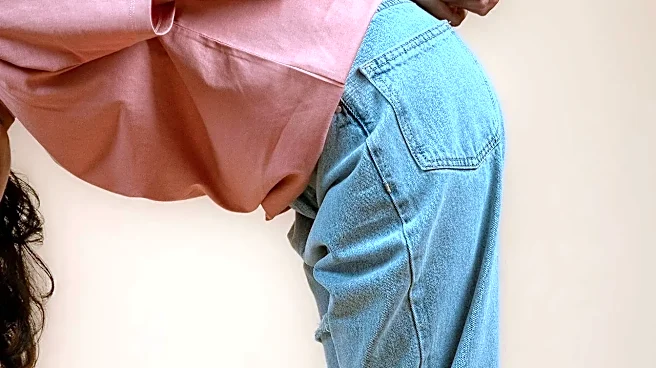
Enter loose jeans—the baggy, wide-leg, and straight-leg styles that seemingly took over overnight, championed by Gen Z and the revival of Y2K aesthetics. For those fluent in the language of skinny jeans, this was a jarring shift. The old rules no longer applied. Tossing a long tunic over baggy jeans often resulted in a shapeless silhouette. The once-loved ankle bootie got lost under a sea of fabric. Loose jeans demand a new understanding of proportion. Suddenly, the waist became the focal point. Tucking in your shirt, once optional, is now essential to avoid looking overwhelmed by fabric. This new silhouette favors cropped tops, fitted tanks, and structured blazers that define the upper body in contrast to the voluminous pants. It's less a rejection of a single garment and more a complete rewiring of our styling instincts.
It's All About Proportions
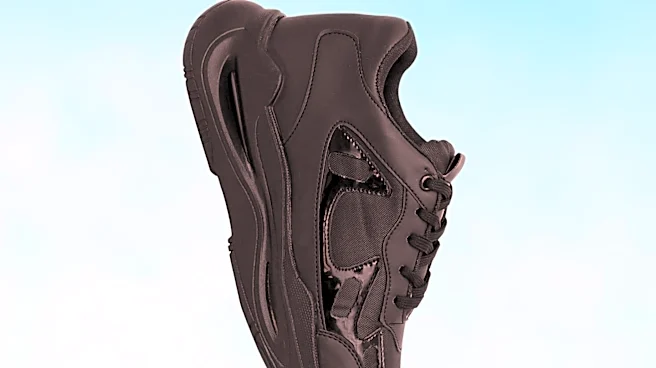
The core of the issue isn't the denim, but the balance of an outfit. Skinny jeans make your hips and thighs the widest part of your lower body, creating a V-shape that naturally pairs well with longer, looser tops. Loose jeans, on the other hand, create a straighter or wider line from hip to ankle. To create a flattering shape, it's often best to accentuate your waist, creating an hourglass effect. This is why high-waisted loose styles have been so popular; they anchor the look and provide a clear point of definition. Footwear also plays a critical role. While skinnies worked with almost any shoe, loose jeans often require a platform, a chunky sneaker, or a heel to add height and prevent the cuffs from dragging. It's a different set of architectural principles.
More Than Just Denim
The generational divide between Millennials and Gen Z is often cited as the driver of the jean wars, but it's really a divide in styling education. Many Millennials perfected the polished, minimalist aesthetic built around the skinny jean. Their style evolved with the rise of capsule wardrobes and versatile investment pieces. Gen Z, conversely, grew up with a more experimental, maximalist, and comfort-driven approach, drawing inspiration from streetwear and thrifted, oversized finds. For them, the relaxed fit of baggy jeans feels intuitive. While some trend reports note a quiet resurgence of skinny jeans—often in a more structured, 'cigarette' style—the broader shift remains. The debate was never truly about one cut being 'better,' but about which styling rules you learned first.