

The Tyranny of the Perfect Schedule
Before you even set foot in Golden Gate Park, the pressure begins. The Outside Lands lineup drops, and with it comes the dizzying array of grids, spreadsheets, and color-coded schedules shared among friends. The goal is optimization: catch the first 15
minutes of the indie darlings on the Twin Peaks stage, sprint to Lands End for the legacy rock act, and somehow find time for a bite from Taste of the Bay before settling in for the night's big headliner. This military-style planning is born from a genuine desire to maximize the experience, but it often works against the very spirit of a festival. It treats the event like a checklist to be completed rather than a world to be explored. This fear of missing out (FOMO) can paradoxically cause you to miss the most authentic moments the festival has to offer.
The Undeniable Magic of Low Expectations
Headliners come with baggage. You’ve listened to their albums for months, watched their past live performances online, and built up a mountain of expectations. It can be incredible, but it’s rarely a surprise. The true lightning-in-a-bottle moments happen at the smaller stages like the SOMA Tent or Duboce Triangle, where local acts and emerging artists play to smaller, more intimate crowds. When you wander into a set by an artist you’ve never heard of, you have no expectations. There’s no hit single you’re waiting for, no iconic stage production you anticipate. There is only the performance itself. This is where a band can genuinely blow you away, converting a handful of curious bystanders into lifelong fans in the space of 45 minutes. The discovery feels personal because you weren’t told to like them; you found them on your own.
A Different Kind of Crowd Energy
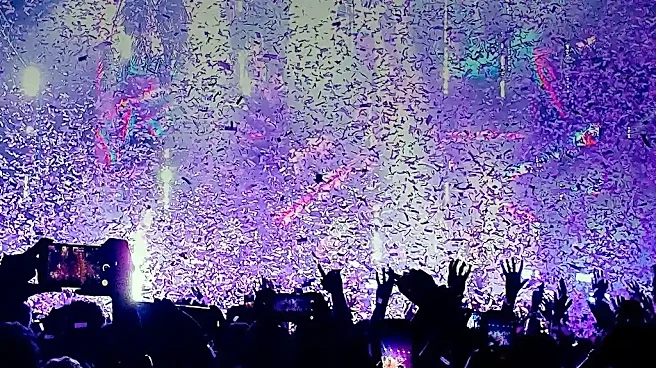
There's a palpable difference between the crowd at a main stage and the one at a smaller tent. The main stage is a sea of phones, a sprawling mass of people with varying levels of investment. But the crowd for an undercard act is often self-selecting and deeply passionate. You’re surrounded by people who are either existing superfans or, like you, are captivated by the thrill of discovery. This creates a shared sense of community and collective effervescence. When you and a few hundred other people realize you’ve stumbled upon something special, a powerful bond forms. You’re all in on the secret together. This sense of social connection and belonging is a core component of the positive psychological impact of attending festivals.
The Stories You Actually Tell
When the festival is over and the wristbands are cut off, what are the stories you tell? You might mention how great the headliner was, but the real narrative, the one you recount with genuine excitement, is almost always about the unexpected. It’s the story of how you were heading to get a beer and got pulled in by a blistering guitar solo from a band you can’t wait to look up later. It’s about the DJ in the Dolores' open-air dance club who played the perfect track as the sun set. These moments of spontaneous joy become the pillars of your festival legend. They are unique to your experience, not the mass-produced moment shared by 50,000 other people. The headliners sell the tickets, but it’s the undercard—the surprise sets, the accidental finds—that truly makes the experience worthwhile.