






The Age of Function-First Cleansing
For decades, the skin below our necks got minimal attention. The primary goal was simply to get clean. Body care aisles were dominated by bar soaps and basic liquid washes designed for one purpose: removing dirt and oil. Exfoliation was an afterthought,
often relegated to a synthetic loofah or a pumice stone for rough heels. While ancient cultures in Egypt, Rome, and across Asia had rich traditions of body exfoliation using everything from milk baths to strigils, much of that nuance was lost in 20th-century mass-market hygiene. The focus was on the face, which received the lion's share of product innovation, while the body was treated as a utilitarian afterthought.
The 'Skinification' of the Body
The major shift began with a concept the beauty industry calls "skinification": the idea that the skin on your body deserves the same sophisticated care as the skin on your face. Consumers, armed with more knowledge than ever, began to ask why powerhouse ingredients like hyaluronic acid, ceramides, and chemical exfoliants were confined to facial serums. The body scrub was the perfect vehicle for this new philosophy. It bridged the gap between basic cleansing and targeted treatment, introducing the idea that a body product could do more than just wash—it could improve skin texture, boost radiance, and deliver active ingredients.
From Harsh Grains to Smart Science
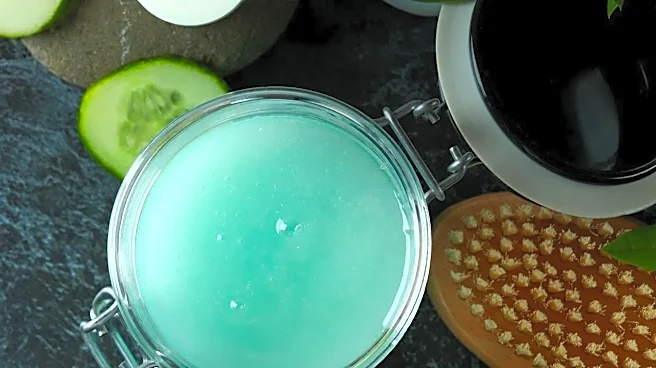
Early body scrubs often got a bad rap, sometimes deservedly, for using overly harsh or jagged particles. But the category has evolved dramatically. Today’s physical exfoliants use finely milled, uniform particles like sugar, salt, or coffee grounds that effectively polish the skin without causing micro-tears. More importantly, the new generation of body scrubs often incorporates chemical exfoliants. Ingredients like alpha-hydroxy acids (AHAs) and beta-hydroxy acids (BHAs) work by dissolving the bonds that hold dead skin cells together, providing a gentler and often more thorough exfoliation. This dual-action approach—combining physical polishing with chemical renewal—represents a major leap forward, offering spa-level results at home.
A Ritual, Not Just a Routine
The rise of the body scrub can't be explained by ingredients alone. It perfectly coincided with the wellness boom and the growing emphasis on self-care. Using a body scrub is a sensorial, mindful experience. The textures, the fragrances, and the physical act of massaging the product into the skin transform a mundane shower into a mini-ritual. It’s a moment to slow down and focus on your body, an act of care that feels both physically and mentally beneficial. This elevation of a simple hygiene step into a therapeutic practice is a key reason scrubs became a staple, moving from a “nice-to-have” to a “self-care essential.”
The Business of the Body Beautiful
Where consumer interest goes, the market follows. Recognizing a massive opportunity, beauty brands have poured research and development into the body care category. The U.S. body care market was valued at over $16 billion in 24 and continues to grow, with skincare--inspired products leading the charge. Body scrubs and other treatment products are now a significant and profitable segment, encouraging further innovation in serums, masks, and tools designed for the body. This commercial investment cemented the body scrub’s role not as a fleeting trend, but as a foundational product that created a new, more sophisticated standard for body care.