
The Architecture of Anticipation
Long before the gates open, the emotional journey of a festivalgoer is already being mapped out. Show directors and creative producers don't just book artists; they curate an experience designed to build anticipation. The very structure of a festival—from
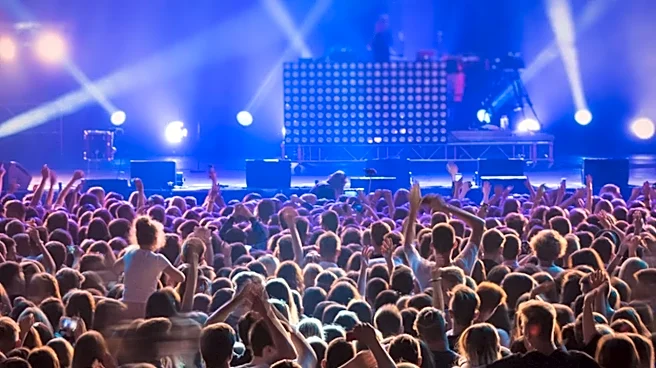
the placement of stages to the scheduled flow from an opening act to a headliner—is a form of storytelling. This deliberate pacing creates an environment where the audience is primed for a big emotional payoff. Think of it as a slow burn. The day is filled with smaller moments of discovery and excitement, all designed to heighten your senses and emotional investment. By the time the headline act takes the stage, the crowd is not just a collection of individuals; it's a unified body, ready and waiting for a transcendent moment. This groundwork is crucial because spontaneity doesn't happen in a vacuum. It requires a receptive and emotionally engaged audience, something festival organizers work meticulously to cultivate.
The Art of the 'Happy Accident'
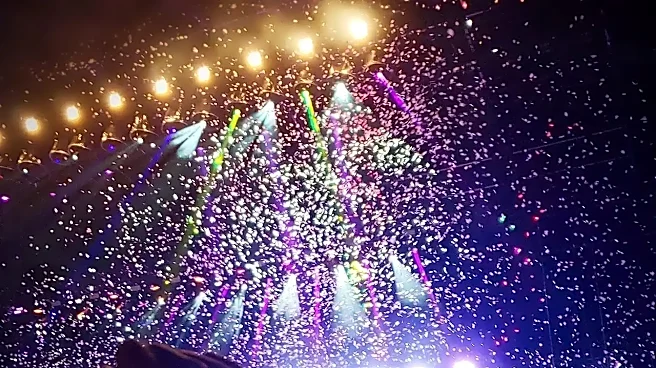
Surprise guest appearances are a festival staple, from Drake bringing out Madonna at Coachella to Will Smith joining Marshmello at Ultra. These moments feel like lightning in a bottle, but they are almost always the result of intense logistical coordination. Contracts are negotiated, travel is arranged, and sound checks are secretly conducted. The key is to hide the scaffolding. A show director's job is to make the extraordinary seem effortless. This extends to technical elements, too. A sudden lighting change that perfectly matches a song's emotional peak or a video element that appears at just the right time isn't a coincidence; it's a cue executed with split-second precision. Production teams run through these cues countless times to ensure they feel like a natural response to the performance, not a pre-programmed command. The goal is to remove any hint of the immense planning involved, allowing the audience to simply feel the impact.
The Performer as the Ultimate Salesperson
All the planning in the world would fall flat without an artist who can sell the moment. The most skilled performers are masters of illusion. They can deliver a line that was scripted weeks ago as if it just occurred to them, or react to a planned lighting cue with what appears to be genuine surprise. Their ability to read and seemingly respond to the crowd's energy is a performance in itself. Even when following a tightly choreographed show, they can create a feedback loop with the audience, making thousands of people feel seen and part of an unrepeatable event. This connection is vital. When an artist points to a section of the crowd, shares a personal anecdote that feels off-the-cuff, or appears to make a last-minute setlist change, they are reinforcing the idea that this night is special and unique. They are the final and most important piece in turning a calculated plan into a genuine memory.
The Power of Collective Effervescence
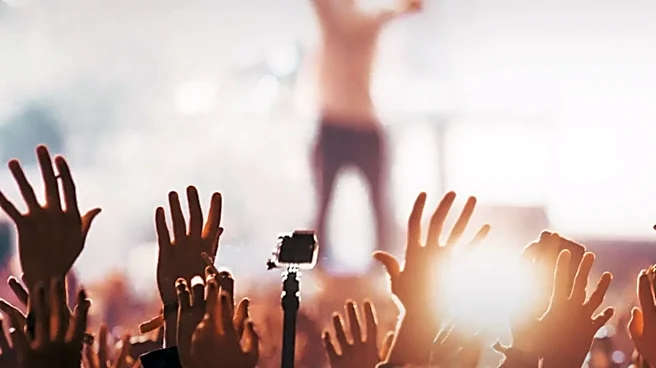
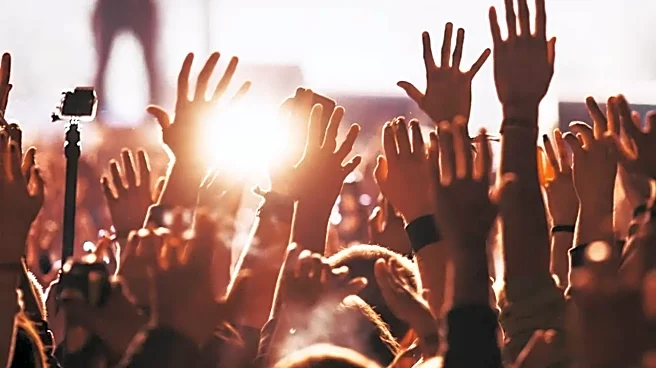
Ultimately, the reason planned moments feel so real is because of a powerful psychological phenomenon known as "collective effervescence." Coined by sociologist Émile Durkheim, it describes the shared feeling of intense energy and unity that occurs when a group comes together in a shared experience. Research has shown that live music events are a powerful trigger for this sensation, leading to increased feelings of happiness, social connection, and even a sense of the sacred. When you're in a crowd and everyone gasps at a surprise guest or sings a chorus together, your brain releases dopamine, and your emotional response is amplified by the shared reaction of those around you. The moment feels spontaneous because the emotion it generates is real. You're not just watching a show; you're participating in a collective ritual. Your personal experience becomes intertwined with that of thousands of others, creating a powerful, lasting memory that feels entirely organic.