

The Setlist Gamble: Hits vs. Deep Cuts
Crafting a festival setlist is a high-stakes balancing act. An artist's dedicated fans might crave obscure B-sides, but a festival crowd is a mixed bag of die-hards, curious newcomers, and people just wandering over from the food trucks. The primary goal
is to grab and hold attention instantly. This means starting strong with something high-energy and recognizable is crucial. Burying the hits or leaning too heavily on slow, introspective material mid-day is a recipe for losing the audience. A great festival set often front-loads familiar, punchy tracks to build momentum. The artists who nail it understand they aren't playing to their fan club; they're playing to their next 10,000 fans, and the setlist must serve as an introduction, not a final exam.
Production That Scales: From Club to Field
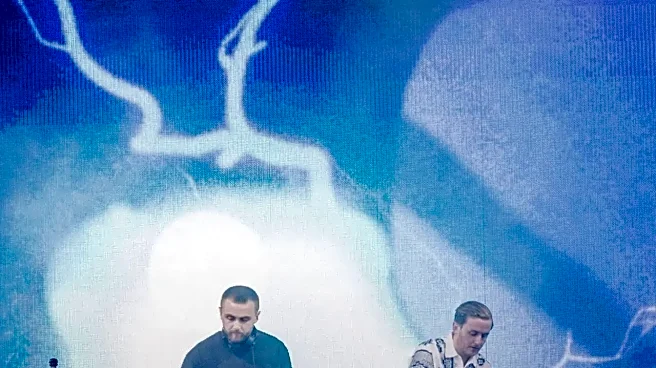
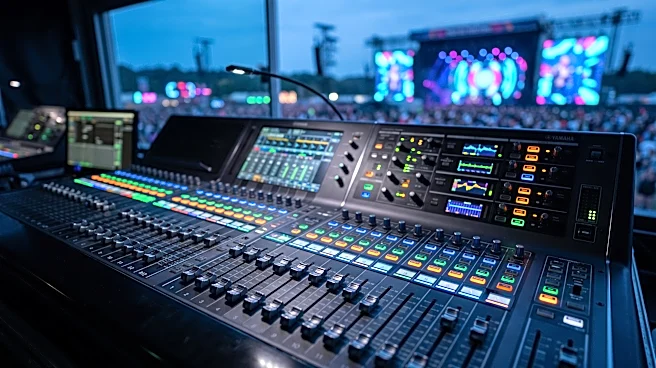
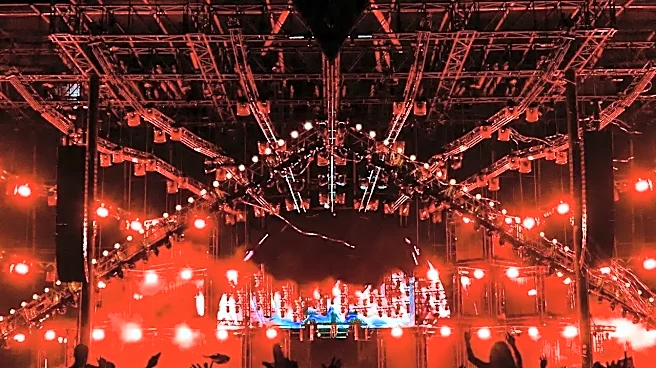
What works in a 1,000-capacity theater can get completely lost on a massive outdoor stage. The decision of how much production to bring—or what to invent for a festival one-off—is critical. Underwhelming visuals can make a great band seem small against a giant backdrop, while overly complex setups risk technical failures in the unforgiving festival environment. Wind, daylight, and massive open spaces all present unique audio and visual challenges. Sound engineers have the monumental task of making sure the music is clear and powerful across a huge field, not just in a small sweet spot. Artists who succeed invest in visuals that pop in broad daylight and work with their crew to adapt their sound for an open-air setting, ensuring their performance feels as big as the stage it’s on.
The 30-Minute Soundcheck and a Prayer
At a normal headlining show, a band might get hours to soundcheck. At a festival, they're lucky if they get 30 minutes. The transition between acts is a frantic, highly choreographed race against the clock. This compressed timeframe means there's virtually no margin for error. Arriving with gear that isn't prepped, not having a clear plan with the sound engineer, or bringing untested equipment is a huge risk. The smartest touring artists have their technical plan down to a science. They use line-checks instead of full soundchecks, have their gear on rolling risers for quick setup, and their crew communicates clearly with the festival’s production team. This preparation is invisible to the audience but is the primary defense against the feedback squeals, dead microphones, and awkward silences that kill a set’s momentum.
Pacing: It's a Sprint, Not a Marathon
A typical festival set is a tight 45 to 75 minutes, much shorter than a standard concert. There's no time for a slow burn. The performance arc has to be condensed, creating a journey with peaks and valleys in under an hour. An artist can't afford long, rambling stories between songs or lulls in energy that allow the crowd's attention to drift to the countless other stages. Successful artists treat it like a sprint, packing the performance with energy from the start and strategically placing any slower moments to provide contrast rather than kill the vibe. They also need the physical and vocal stamina to deliver a high-intensity show, often in the Texas heat, without fading before the grand finale.
The Spontaneity Factor (That Isn't Spontaneous)
The most memorable festival moments often feel like pure, unplanned magic: a surprise cover, a guest appearance, or a wild stage antic. More often than not, these moments are planned possibilities. While you can't script crowd energy, you can plan for it. This could mean having a well-rehearsed but unexpected cover song ready if the crowd is right, like Linkin Park's famous Adele cover. It could mean arranging a guest spot with another artist on the festival bill. Or it could be as simple as the lead singer knowing exactly when and how to climb the stage scaffolding for a climactic moment without endangering the show. These aren't just whims; they're calculated decisions designed to create a signature moment that will be clipped, shared, and talked about long after the weekend is over.