





The Unforgiving Eye of the Camera
First, let's establish the villain of the story: the lighting. In a normal fitting room, you're bathed in soft, diffused light that’s designed to be flattering. It hides shadows and smooths over minor imperfections. TV studio lights, camera flashes, and red-carpet
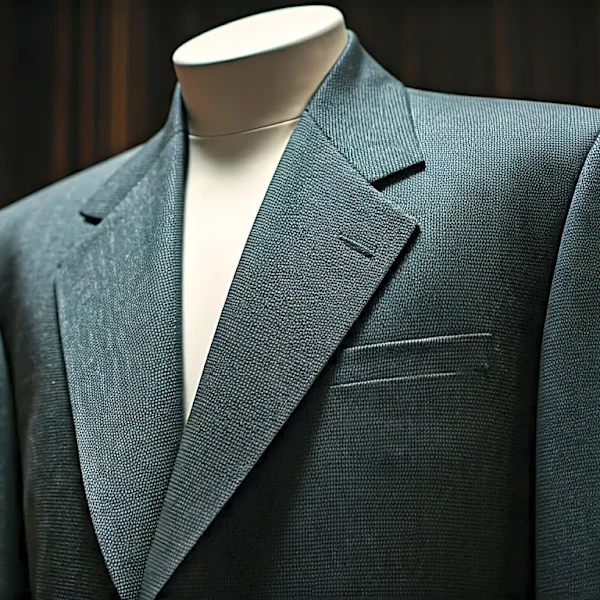
setups are the exact opposite. They are harsh, direct, and high-contrast. This intense, unforgiving light acts like a high-powered scanner, picking up every tiny pucker, pull, and strain in the fabric that would be completely invisible to the naked eye in person. It creates sharp shadows that can turn a subtle seam into a deep trench or a gentle fold into a glaring wrinkle. What looks like a masterpiece in the tailor’s shop can look like a rushed job the moment it steps into the spotlight.
The Telltale Pucker: A Stitch in Time
One of the most common culprits of on-camera wardrobe woes is the puckered seam. This happens when a garment is altered in a hurry. When a tailor rushes, they may use the wrong needle size, stitch length, or thread tension for the specific fabric. This causes the thread to pull the fabric together ever so slightly, creating a faint, bumpy ripple along the seam line. In person, you’d never notice it. But under the glare of a TV light, that pucker casts a long, dark shadow, making the garment look cheap and poorly constructed. It’s especially noticeable on smooth, solid-colored fabrics where there’s no pattern to hide the flaw. A last-minute decision to take in a waist or shorten a sleeve is often ground zero for this exact problem.
Shiny Suspects and Fabric Fails
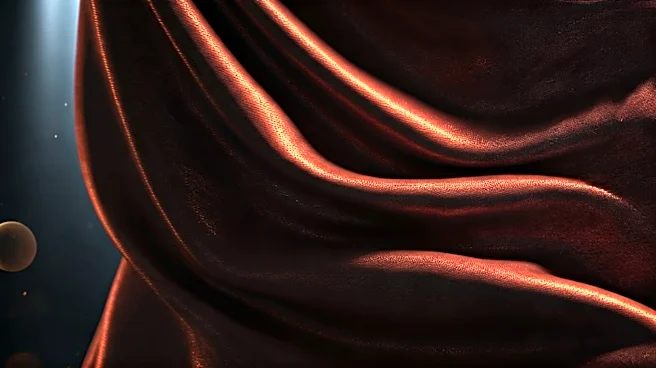
Fabric choice is half the battle, and certain materials are notorious for betraying you on camera. Satins, silks, velvets, and many synthetic blends have a natural sheen. While this looks luxurious in person, it becomes a liability under direct light. Any area where the fabric is stretched, pulled, or stressed—like across the bust, hips, or a strained zipper—will reflect light more intensely. This creates unflattering “hot spots” or a shiny, almost plastic-like appearance. A last-minute alteration that makes a dress just a little too tight is the perfect recipe for this disaster. The fabric, under tension, will scream for help by glaring directly into the camera lens, highlighting the exact area of strain.
When Darts Go Rogue
Darts are the unsung heroes of tailoring, creating shape and structure in a garment. They are the triangular folds of fabric sewn to a point that allow a flat piece of cloth to conform to the curves of the body. But when they're done hastily or placed incorrectly, they become villains. A rushed dart might be pressed incorrectly, creating a visible line. Worse, if the point of the dart isn't sewn perfectly, it can create a tiny, awkward bulge at the tip. This is a classic mistake seen on red carpets, where suddenly a smooth bodice has two inexplicable points. This often happens in last-minute fittings where there isn't time for the multiple try-ons needed to get the dart placement and angle exactly right for the wearer's body.
The Emergency Hem and Other Shortcuts
Time is the ultimate luxury in alterations. When it runs out, stylists and tailors turn to emergency measures, and none is more famous than fusible hem tape. This iron-on adhesive is a quick way to shorten a hem without a needle and thread. The problem? It often creates a stiff, unnatural-looking edge that doesn't flow with the rest of the garment. On camera, you can often spot this “shelf” at the bottom of a pant leg or skirt. It lacks the soft, fluid drape of a properly sewn hem. Similarly, using the wrong color thread for a quick fix—thinking it won't be seen—is a critical error. The camera flash can and will find that one black stitch on a navy suit and make it the star of the show.