





From Radical Experiment to Global Brand
For decades, the Burning Man Project's primary job was a monumental feat of logistics: producing a temporary city for nearly 80,000 people in the harsh Black Rock Desert. It was an exercise in civic planning, safety, and infrastructure under extreme conditions.
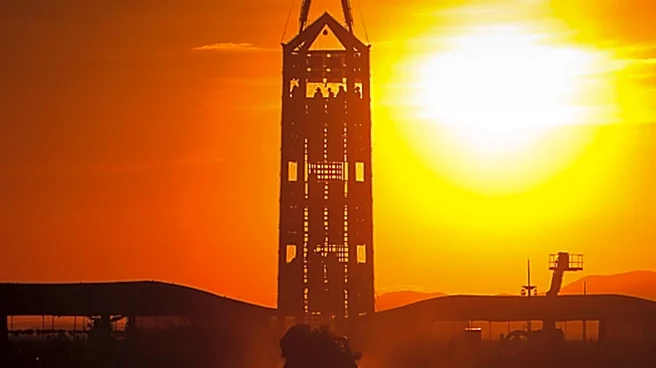
But as the event grew from a small beach bonfire into a global cultural phenomenon, a new, more complex challenge emerged. The iconic imagery of the event—the giant art installations, the mutant vehicles, the very symbol of the Man—began appearing everywhere. Advertising agencies started using "Burning-Man-ish" as creative shorthand, and brands saw the event's distinct visual identity as a marketing opportunity, directly challenging one of the event's core tenets: decommodification. This unwelcome attention has forced the nonprofit to evolve from just an event producer into the guardian of a culture.
Policing the Vibe: A Legal Toolkit
The shift to "defender" is not just philosophical; it's a legal necessity. The Burning Man Project actively monitors and enforces its trademarks, which include the names "Burning Man," "Black Rock City," and the famous Man logo. Their policy is explicit: these symbols, and any photos or videos from the event, cannot be used for commercial purposes without permission. This isn't just about stopping big brands from co-opting the culture for a marketing campaign. It extends to legal action against unaffiliated groups who use the name for their own events, as seen in a trademark dispute in Canada. The organization argues that if it doesn't diligently protect its intellectual property, it could lose the rights to it altogether, leaving the culture vulnerable to widespread commercial exploitation. To this end, the ticket terms and conditions grant the project a shared copyright to all photos and videos taken on the playa, a tool it uses to protect participant privacy and enforce its non-commercial rules.
The New Frontier: AI and Digital Identity
The latest threat to the community's imagery comes from a digital source: generative artificial intelligence. The rise of AI art has made it easy to create images that mimic Burning Man's unique aesthetic with just a few prompts, leading to what some community members call homogenized "AI slop." This creates a new and complicated front in the battle for authenticity. While the organization hasn't banned AI art, it has established guardrails, requiring artists applying for grants to disclose their use of AI. The debate rages within the community, with some seeing AI as a useful tool for conceptualizing projects and others viewing it as a violation of the event's do-it-yourself, participatory ethos. This technological challenge pushes the Burning Man Project further into its role as a cultural arbiter, deciding what constitutes authentic expression within its ecosystem.
An Uncomfortable Crossroads
This defensive posture creates an inherent tension. Burning Man was founded on principles of radical self-expression and anti-consumerism. Wielding trademarks and copyrights, tools of the very corporate world it defines itself against, feels contradictory to many. The organization frames this as a necessary evil to protect the principle of Decommodification, ensuring the playa remains a space free from advertising and commercial transactions. But by legally protecting its name and symbols, it acts very much like a modern corporation protecting its brand. This dilemma is at the heart of the organization's current identity. It must use the mechanisms of the commercial world to protect a culture that explicitly rejects it. This paradox highlights the struggle of maintaining a counter-cultural space in an era where every subculture is a potential marketing angle.