




The Championship Game: The Exhibit Hall and Fandom
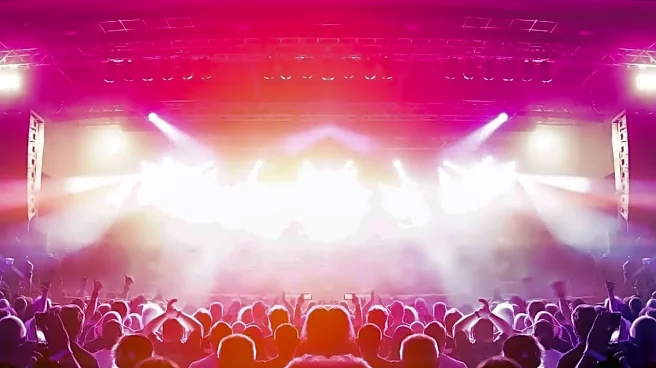
The Super Bowl is the definitive contest of the NFL season, and the heart of Comic-Con is the sprawling, chaotic, and glorious Exhibit Hall. This is the playing field. With an attendance that has been capped at around 135,000 in recent years, the sheer
density of people creates an electric atmosphere. Fans, many in elaborate cosplay, are the passionate crowds filling the stands, while over 1,000 exhibitors—from comic book publishers to toy companies and gaming giants—are the teams competing for attention. Just as the Super Bowl is the ultimate destination for football fans, Comic-Con is a pilgrimage for followers of countless genres, a place where their niche interests become the mainstream for four days. It has evolved from a small gathering in 1970 into the world's largest convention of its kind.
The Halftime Show: Hall H Blockbuster Reveals
The Super Bowl halftime show is a cultural spectacle watched by millions. At Comic-Con, that must-see event is whatever is happening in Hall H. The 6,500-seat venue is where Hollywood's biggest studios come to play, unveiling exclusive trailers and making bombshell announcements that dominate entertainment news for the rest of the year. This year is no exception, with Marvel Studios set to return with a major presentation on Saturday, July 25, expected to drop news about films like 'Avengers: Doomsday'. Panels for major series like 'Blade Runner 2099,' 'The Lord of the Rings: The Rings of Power,' and 'Avatar Aang: The Last Airbender' are also on the schedule. Just like a legendary halftime performance, a successful Hall H panel can generate monumental hype and define the pop culture conversation for months.
The Commercials: Media Frenzy and Brand Activations
Companies spend millions on Super Bowl commercials, knowing the world is watching. Comic-Con offers a similar, if more targeted, platform. Over 2,500 members of the media from more than 30 countries descend on San Diego, ready to broadcast every announcement globally. This intense media spotlight makes the convention an ideal launchpad. But the marketing goes beyond panels. The entire downtown Gaslamp Quarter transforms into a landscape of elaborate off-site experiences and brand activations, many of which are free to the public and attract thousands of additional participants who don't even have a badge. For brands, being visible at Comic-Con is a strategic play to capture the attention of the most dedicated fans and the worldwide media covering them.
The Economic Touchdown: A Windfall for the Host City
Hosting the Super Bowl provides a massive economic boost to a city, and Comic-Con does the same for San Diego every single year. The event generates a regional economic impact estimated at over $160 million annually. It produces millions in hotel and sales tax revenue that funds essential city services. Hotels in the area reach near-total capacity, and the influx of over 135,000 attendees fills restaurants, bars, and other local businesses for the better part of a week. One economics professor even stated, "It's like having the Super Bowl come to your city every year." The comparison isn't just a metaphor; it's an economic reality for San Diego, which has secured the event through at least 2027.
The Unofficial Holiday: A Shared Cultural Moment
More than just a game or a convention, both the Super Bowl and Comic-Con have become annual cultural rituals. They are fixed points on the calendar that bring people together for a shared experience. While one revolves around athletic prowess and the other around artistic creation, both are fueled by the passion of fandom. They are community events on a massive scale, where attendees celebrate the stories and characters that matter to them. From its humble beginnings in a hotel basement with a few hundred people, Comic-Con has grown into this global phenomenon because, like the Super Bowl, it offers something for everyone within its orbit—a chance to be part of the biggest moment of the year for the culture they love.