




What Exactly Is a Fluid Sunscreen?
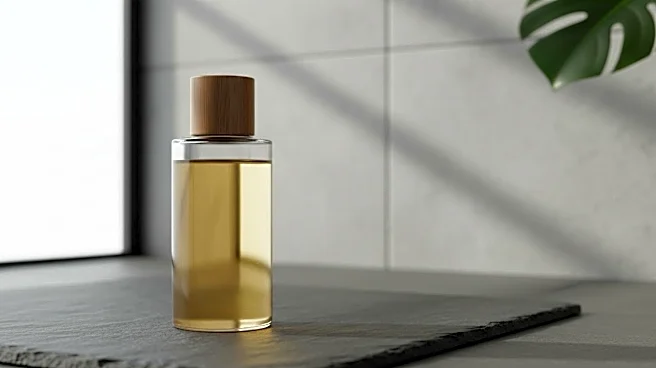
Think of fluid sunscreen as the serum of the sun protection world. Unlike traditional, thick creams, a fluid SPF has an ultra-light, watery, or liquid-like consistency. These formulas typically have a higher water content and use advanced formulation
techniques to deliver broad-spectrum UV protection without the heavy, occlusive feel. This allows them to spread easily and absorb into the skin almost instantly, feeling more like a lightweight skincare step than a thick barrier. They can be mineral, chemical, or a hybrid of both, but the defining characteristic is always the weightless texture.
The Weightless Feel Under Makeup
One of the biggest complaints about wearing sunscreen under foundation is the feeling of heavy, stacked-up layers. Fluid sunscreens solve this by absorbing quickly and leaving a barely-there finish. Because their molecular structure is often smaller, they penetrate the skin with ease, providing an invisible shield against UV rays. This means your skin feels like it can breathe, even with makeup on top. For those with oily or combination skin, this is a massive advantage, as the light texture won't contribute to excess shine or a congested feeling throughout the day.
Banishing the Dreaded White Cast
A chalky, white residue is a dealbreaker for any sunscreen, especially for those with deeper skin tones. While some mineral-based creams are notorious for this, fluid formulations are far more cosmetically elegant. Chemical fluid sunscreens are virtually invisible to begin with. Even mineral-based fluid sunscreens often use micronized particles of zinc oxide or titanium dioxide, which are milled into a much finer size to prevent that tell-tale white cast, blending seamlessly into the skin. The result is effective protection that doesn’t alter your skin tone or interfere with the color of your foundation.
A Smoother Canvas for Foundation
Pilling—those annoying little balls that form when products don't play well together—is a common frustration when layering skincare. Because fluid sunscreens absorb so completely, they are much less likely to cause pilling. In fact, many have a smooth, almost primer-like finish that helps makeup glide on more evenly. By avoiding incompatible ingredients like heavy silicones or oils that often cause friction with foundation, a fluid SPF creates a stable, hydrated base. This not only makes your makeup application smoother but can also help it last longer without separating or breaking down.
How to Choose and Use Your Fluid SPF
When shopping, look for keywords like "fluid," "watery," "essence," or "serum" on the packaging. The best sunscreen is always the one you'll actually wear, so finding a texture you love is key. For application, don't let the thin texture fool you; you still need to apply a generous amount to get the labeled protection—about a quarter teaspoon for the face is a good rule of thumb. Apply it as the very last step of your skincare routine, before your makeup. Give it a minute or two to fully absorb before going in with your foundation, using gentle pressing or tapping motions instead of aggressive rubbing to ensure a flawless finish.