







The Reality of a Day Job
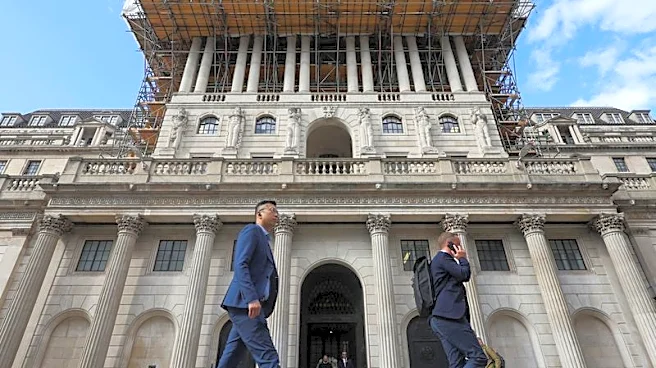
Long before he was a rock icon, John Entwistle was a young man with real-world responsibilities. While his childhood friend Pete Townshend went to art college, Entwistle took a decidedly less glamorous path: a job as a tax clerk at the Inland Revenue.
Recently married to his childhood sweetheart, the pressure to earn a steady income was immense. Music, at that point, wasn't paying the bills. The band, then called the Detours, played grueling gigs nearly every night of the week, but financial security remained a distant dream. Entwistle reportedly even had to sleep at the tax office after late shows, a stark contrast to the rock and roll lifestyle that would later define his public image. For the pragmatic bassist, the dream of a music career was colliding with the stark reality of rent and responsibilities.
From The Detours to a Dead End
The band's path in 1964 was fraught with creative and commercial frustration. Under the guidance of their first manager, Peter Meaden, they were rebranded as The High Numbers in an effort to appeal directly to the burgeoning Mod scene. Meaden wrote two songs for them, "Zoot Suit" and "I'm the Face," which were stylistically geared toward their target audience but failed to capture the raw, R&B-driven power they were developing in their live shows. The single, released in July 1964, was a commercial flop. Only about 1,000 copies were pressed, and it failed to make any impression on the charts. For Entwistle, who along with Townshend was inspired by the growling energy of American blues, this calculated pop attempt was a creative dead end. The failure left the band at a crossroads, their future more uncertain than ever.
A New Name and a New Sound
The failure of The High Numbers prompted a pivotal change. The band fired Meaden and brought in new management, filmmakers Kit Lambert and Chris Stamp. They encouraged the band to reclaim their previous name, The Who, and, crucially, to embrace their own songwriting. Lambert and Stamp pushed Townshend to write original material that reflected their aggressive live sound. The result was "I Can't Explain." Heavily influenced by the sound of The Kinks' recent hits, the song was a perfect fusion of pop sensibility and raw power-chord energy. It was everything their previous single was not: authentic, energetic, and written from within the band. Recorded in late 1964, it represented a complete reset.
The Hit That Changed Everything
Released in January 1965 in the UK, "I Can't Explain" was the breakthrough they desperately needed. After a performance on the popular music show Ready, Steady, Go!, the single climbed the charts, eventually peaking at number 8 and staying on the charts for 13 weeks. While it was less successful in the U.S., its UK success was transformative. It provided the validation and, most importantly, the financial hope that had been missing. It proved that their own sound could find an audience and that a career in music was not just a fantasy. This first taste of real success was the turning point that kept John Entwistle in the band, allowing him to finally quit his job at the tax office and become a full-time musician. The quiet man had found his loud, permanent home.