







5. Japan: The Class Act
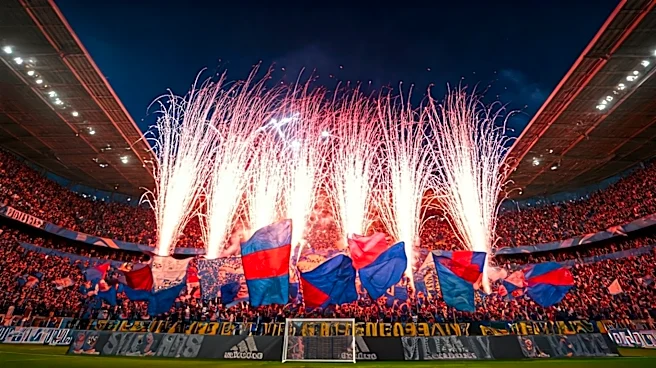
Let’s start with a curveball. The best atmosphere isn't always about being the loudest. Japan’s “Samurai Blue” supporters have redefined what it means to be a great fan. Their power is in their discipline and respect. Visually, their coordinated displays
of blue are stunning, a unified sea of support. But their global reputation was cemented by what happens *after* the final whistle. Pictures of Japanese fans staying behind to meticulously clean their section of the stadium, win or lose, have gone viral at successive World Cups. It’s a powerful display of character that earns a different kind of respect. Their chants are organized, their presence is felt, but their lasting impact is one of profound class. They prove that you don’t have to scream the loudest to make the biggest statement.
4. Mexico: The Life of the Party
If the World Cup is a global party, Mexico’s fans are the ones who brought the mariachi band, the tequila, and an endless supply of good vibes. No matter where the tournament is held—South Africa, Brazil, Russia, or Qatar—you can count on a massive, vibrant contingent of “El Tri” supporters. They are arguably the most dedicated traveling fans in the world, turning host city squares into festivals of green, white, and red. Their soundtrack is iconic, from the booming “¡Sí, se puede!” (Yes, we can!) to the soul-stirring, stadium-wide renditions of “Cielito Lindo.” While the team's on-field performance can be a rollercoaster of emotions, the support from the stands is a constant, joyous, and undeniable force.
3. Scotland: The Legendary Tartan Army
It takes a special kind of fanbase to become world-famous for being brilliant losers. Enter the Tartan Army. Scotland hasn’t qualified for a men's World Cup since 1998, but their fans' reputation remains untouchable. When they travel for tournaments like the Euros, they become the adopted darlings of every host city. Why? Because they embody the pure, unadulterated love of the game. They travel in kilts, sing their hearts out with self-deprecating humor, and are famously friendly, winning over locals wherever they go. Their anthem, "I'm Gonna Be (500 Miles)," becomes a joyous declaration of their commitment. They are a constant reminder that the spirit of competition is about more than just winning; it's about community, passion, and having a great time, even in defeat.
2. Colombia: The Yellow Sea
When Colombia plays in a World Cup, the stadium doesn't just have a Colombian section—the stadium *becomes* Colombia. Their fans create a “Yellow Sea” (La Marea Amarilla) that is visually breathtaking and audibly overwhelming. At the 2014 World Cup in neighboring Brazil, they famously bought up so many tickets that their matches felt like home games in Barranquilla. This isn't just passive support; it's a carnival. The sound is a constant wall of salsa-infused chants, drums, and horns. The energy is infectious, a pulsing, dancing, joyful expression of national pride. Even for a neutral, getting caught in the middle of the Colombian yellow tide is one of the great experiences in modern sports.
1. Argentina: The Unrivaled Heartbeat
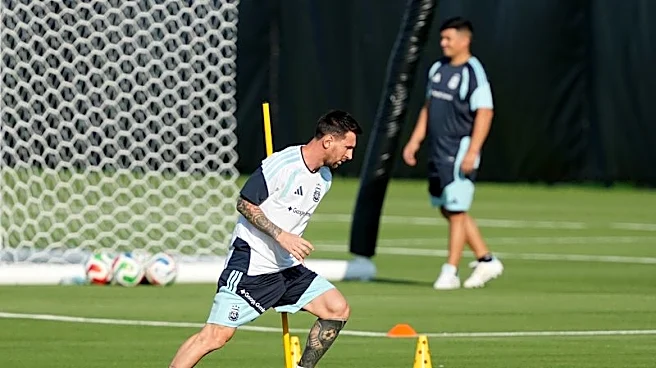
There’s passion, and then there’s Argentina. No fanbase lives and breathes every single moment of a 90-minute match with more intensity. For Argentinians, soccer is not a sport; it's a quasi-religion, and the national team is its traveling congregation. Their fans don’t just watch the game; they try to will their team to victory through sheer force of spirit. The constant bouncing, or “pogo,” makes entire stadium tiers shake. Their chants are less like simple cheers and more like poetic, epic ballads sung from the soul. The 2022 World Cup in Qatar was their masterpiece. Led by the now-iconic “Muchachos” anthem, they turned every stadium into a slice of Buenos Aires, providing the ferocious, unwavering, and emotional heartbeat that propelled Messi and his team to glory. It’s an atmosphere of raw, unfiltered, and beautiful chaos that simply has no equal.