
From Rebel Yell to Wardrobe Staple
The story of the modern moto jacket begins in 1928, when Irving Schott of Schott NYC designed the first “Perfecto” jacket for Harley Davidson. It was built for function: the sturdy leather offered protection, while the revolutionary asymmetrical zipper
kept wind out and prevented the jacket from bunching as a rider leaned over their motorcycle. For decades, it remained a utilitarian piece for bikers. That all changed in 1953 with the film “The Wild One,” where Marlon Brando’s brooding gang leader wore a Schott Perfecto, instantly transforming it into a symbol of anti-establishment cool. The jacket became so associated with delinquency that school systems across the U.S. banned it, which only cemented its rebellious appeal. Through the '70s and '80s, it became the unofficial uniform for rock and punk icons like The Ramones, Joan Jett, and the Sex Pistols, who customized their jackets with studs and paint, turning them into canvases of self-expression.
The Anatomy of an Icon
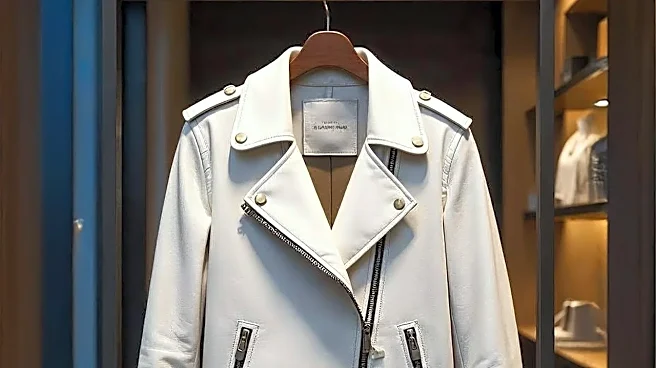
What makes a moto jacket a moto jacket? It’s all in the details that were once purely practical. The asymmetrical front zipper, its most defining feature, was designed to create a double layer of leather over the chest for insulation. Wide, snappable lapels were meant to be secured to prevent them from flapping in the wind. Zippered cuffs could be tightened for warmth and protection, while a belted waist provided a snug fit. Even the epaulets on the shoulders had a purpose, originally used to hold gloves or display military-style insignia. Together, these elements created a silhouette that was sharp, structured, and unapologetically bold—a design so effective it has remained largely unchanged for nearly a century.
The Great Equalizer of Style
While its roots are masculine and tough, the moto jacket’s journey into the mainstream is a story of democratization. In the 1960s, high-fashion designers like Yves Saint Laurent began creating versions for women, stripping away some of the bulk but keeping the attitude. By the 1990s, the rise of the supermodel and “model-off-duty” style saw the jacket fully shed its subculture-only status. Worn by A-listers and fashion editors, it became a versatile tool for adding an edge to any outfit. This transition is what makes it so quintessentially American: it takes a symbol of rugged individualism and makes it accessible to everyone. It’s a piece that says “cool” without requiring allegiance to any single tribe. It can be paired with a formal dress or worn-out jeans, signifying confidence in boardrooms and dive bars alike.
Finding Your Perfect Fit
The headline’s promise is true: there is a moto jacket for every body type, and the key is focusing on fit and proportion. For those with a petite frame, a cropped style that hits at the natural waist can prevent the jacket from overwhelming your silhouette. If you have a curvier figure, look for jackets made from softer, more pliable leathers that will mold to your shape, and consider styles with side adjusters or a defined waist. For taller individuals, a longer cut can maintain balanced proportions. The most important rule, however, is how it feels on your shoulders—it should sit squarely without pulling and allow for comfortable movement. A well-fitting moto jacket enhances your shape rather than hiding it, acting as a final, confident layer.
More Than Just Black Leather
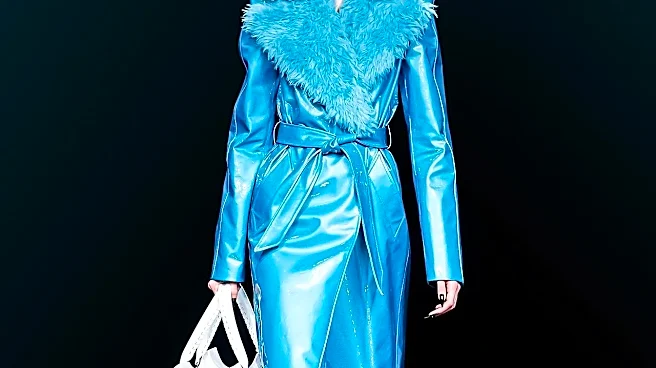
Today, the moto jacket continues to evolve. While classic black leather remains the gold standard, designers offer interpretations in soft suede, cozy shearling, and a spectrum of colors from rich navy to bold red. Vegan and faux leather options have also made the style more accessible and ethical. This constant reinvention is the secret to its longevity. The moto jacket isn't a fleeting trend; it's a foundational piece of the American style lexicon. It retains a whisper of its rebellious past while offering near-infinite versatility. It’s a garment that doesn’t just complete an outfit—it defines it, offering a small dose of iconic, effortless cool to anyone who puts it on.