








The Sacred Handoff of 'Toy Story 3'
To understand the disappointment of Toy Story 4, we have to revisit the perfection of Toy Story 3’s ending. For an entire generation, Andy giving his toys to a shy but imaginative little girl named Bonnie was a cinematic rite of passage. It was a scene
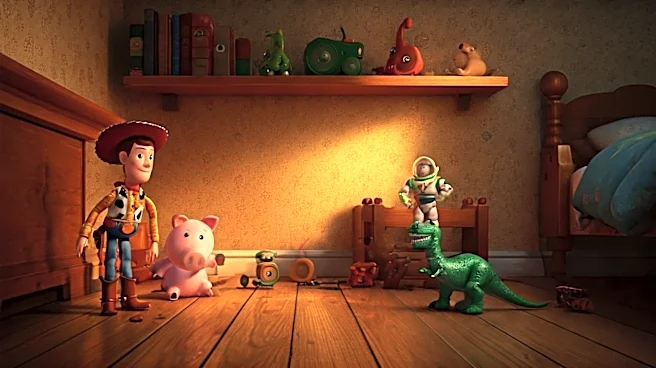
layered with meaning about growing up, letting go, and the enduring power of play. Andy didn’t just dump his toys; he curated his legacy. He introduced each one to Bonnie, explaining their role in his own childhood. He entrusted Woody, his most beloved friend, to her care only after seeing how she lit up. This wasn’t a transaction; it was an adoption. The promise was clear: these cherished characters were moving on to a new, loving home where they would be just as important as they were to Andy. That emotional contract between the film and its audience was the foundation for any future story.
A Character Turned Into a Plot Device
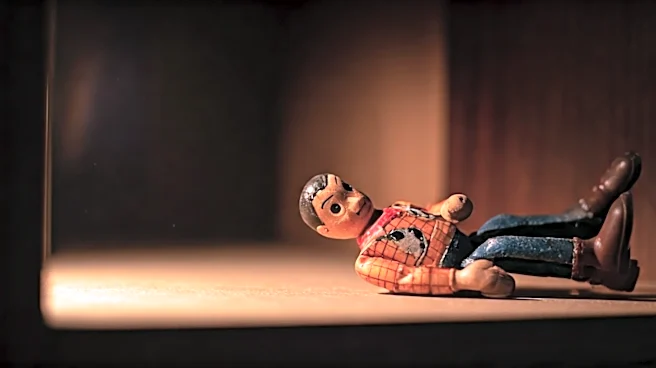
Toy Story 4 shattered that contract. In the film, Bonnie isn't the imaginative, caring child we were promised. She’s a plot device, transformed into a catalyst for Woody’s mid-life crisis. Her sudden and almost cruel neglect of Woody feels entirely unearned. She casually leaves him in the closet, covered in dust bunnies, and even strips him of his sheriff’s badge to give to Jessie. While a child’s attention can be fickle, the film presents this shift with zero emotional context from Bonnie’s side. We never see her struggle with it; she simply becomes “the kid who doesn’t like Woody anymore.” This character assassination served one purpose: to make Woody feel obsolete and justify his ultimate decision to leave. The story prioritized Woody's existential journey over the core theme of the entire franchise: the sacred bond between a child and their toy. Bonnie was reduced from a character to a narrative obstacle.
The Forky Complication
The introduction of Forky, while a brilliant concept, further complicated the Bonnie problem. The film’s focus shifted to Woody’s frantic attempts to protect Bonnie's new favorite, a spork with an identity crisis. This made Woody’s struggle noble, but it also cemented Bonnie’s role as a passive, almost clueless participant in her own toys’ drama. In previous films, Andy was an active part of the fantasy; his imagination gave the toys their purpose and their world its rules. Bonnie’s main creative act in the film is making Forky, after which she mostly just worries about losing him. We lose the sense of a shared world between child and toy. Instead of being the center of their universe, Bonnie became the source of its chaos, her whims dictating the plot without granting her any real agency or interiority. The magic of Toy Story has always been seeing the world through the toys’ eyes while feeling the warmth of their child’s love. In Toy Story 4, that love felt conditional and, frankly, a little cheap.
The Path Forward for 'Toy Story 5'
For Toy Story 5 to resonate, it must reinvest in the “kid” part of the equation. Woody’s story may have found its conclusion, but the soul of the franchise still resides with Buzz, Jessie, and the rest of the gang—toys whose entire existence is defined by their relationship with a child. The next film can’t afford to treat Bonnie (or a potential new owner) as an afterthought. We need to see the world from her perspective again. Let us see her grow, her play evolve, and her connection with Jessie, Buzz, and Dolly deepen. Make her struggles and joys the context for the toys’ next adventure. If the story moves on from Bonnie, the transition must be handled with the same emotional gravity as Andy's farewell. The new owner must be a fully realized character, not just a blank slate for the toys to project their needs onto. Pixar needs to remember that the toys aren’t just playing for themselves; they are playing for their kid. That relationship is the engine of the story, not a disposable part of it.