







Thinking Beyond the Tournament
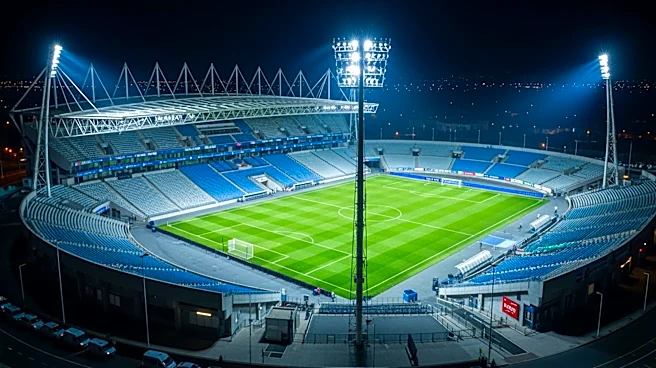
The old model of building a stadium was simple: create a massive bowl for fans, use it for the big event, and hope it doesn’t become a 'white elephant'—a costly, underused burden on taxpayers. The new model, however, treats the stadium not as the final
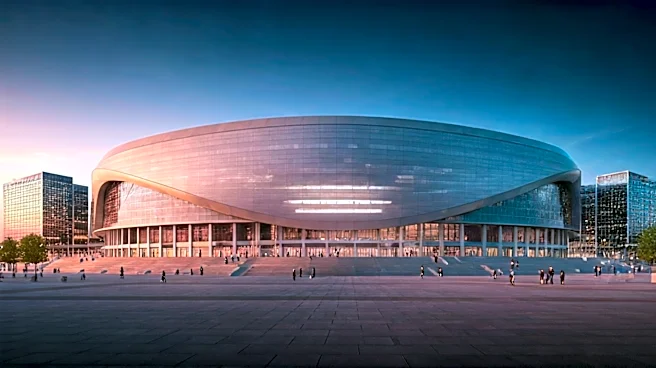
product, but as the anchor tenant for a much larger vision. This is the fundamental shift that separates a forgettable venue from a true business landmark. Developers and city planners now ask, 'How can this structure generate value 365 days a year?' The answer isn't about soccer; it's about creating a destination. Think of it less like a stadium and more like the central hub of a brand-new neighborhood, attracting people and dollars long after the tournament has moved on. It’s a pivot from a single-use asset to a multi-faceted commercial district.
The Mixed-Use Development Playbook
A stadium alone can’t become a landmark. The real magic happens in the surrounding acres. Modern sports developments are massive, mixed-use projects that integrate the venue with retail, dining, entertainment, office space, hotels, and even residential units. Look at Hollywood Park, the development surrounding SoFi Stadium in Inglewood, California—a key venue for the 2026 World Cup. It's a 300-acre city-within-a-city, complete with a concert hall, shopping centers, parks, and a lake. This ecosystem ensures a constant flow of people. On game day, fans come for soccer. On a Tuesday afternoon, office workers grab lunch. On a Friday night, couples go to a concert or a movie. This constant activity, known as 'placemaking,' creates a self-sustaining economic loop where each component supports the others, making the entire district a vibrant place to be, regardless of what's happening on the pitch.
Programming for Year-Round Revenue
An empty stadium is a liability. To become a business landmark, a venue needs a relentless and diverse programming schedule. While a World Cup provides an incredible launchpad, the long-term business model relies on attracting a steady stream of non-soccer events. This means designing the venue with flexibility in mind from day one. Can the field be easily covered for a Taylor Swift concert? Are there smaller, configurable spaces for corporate conferences and trade shows? Can it host other sports, from college football championships to motocross? AT&T Stadium in Arlington, Texas, another 2026 host, is a masterclass in this. It’s as famous for hosting WrestleMania and major concerts as it is for Cowboys games. This diversification of revenue streams is crucial. It protects the investment from the seasonal nature of sports and turns the building into a year-round cash-flow machine.
The Power of Public-Private Partnerships
These mega-projects are almost never funded by a single entity. They are the result of complex public-private partnerships (PPPs) where developers, team owners, and municipal governments share the costs and the rewards. The private sector brings the capital and commercial expertise to build and operate the venue and surrounding district. The public sector’s role is to facilitate the project through essential infrastructure upgrades. This can include expanding public transit to the site, improving roads and highways, and handling zoning changes. In return for this investment, the city gains a massive new tax base from the commercial activity, job creation, and the overall revitalization of an area. This symbiotic relationship is key; without government buy-in to create the necessary access and infrastructure, even the most brilliantly designed private development can fail to reach its potential.