







The Architects of the Aural World
Before an episode ever gets to your ears, it goes through a complex audio post-production process. The key players are re-recording mixers, the artisans who take all the sonic ingredients and blend them into the final soundtrack. They work with three
main components, often called ”stems”: dialogue, music, and effects (DME). Dialogue includes every spoken word, whether recorded on set or re-recorded later in a process called ADR. Music is the score and any licensed songs. Effects cover everything else, from the subtle rustle of clothing (Foley) to the roar of a dragon. The job, which is recognized with several categories at the Creative Arts Emmys, is to ensure these three elements don't just coexist, but work together to tell the story.
Why Dialogue Is Almost Always King
In the world of TV and film mixing, there’s a golden rule: dialogue is king. If the audience can't understand what the characters are saying, the story falls apart. Mixers spend a huge amount of time ensuring vocal clarity. They start by cleaning up the dialogue track, removing unwanted background noise from the set and smoothing out different takes. Then, they carefully carve out a space for it in the audio spectrum. This might mean subtly lowering the volume of the music or specific sound effects the moment a character speaks, a technique known as “ducking.” For Emmy voters, a mix where dialogue feels natural and intelligible, even amidst chaos, is a hallmark of excellence.
Music as the Emotional Engine
Once the dialogue is anchored, mixers weave in the musical score. This is a delicate dance. The music needs to heighten emotion, build tension, and signal shifts in tone without ever overpowering the on-screen action or, most importantly, the dialogue. Think of the pulsing, dread-inducing score of The Last of Us or the triumphant themes in a superhero show. A re-recording mixer “rides the faders,” manually adjusting the music’s volume moment by moment, letting it swell in quiet moments and recede when a key line is delivered. The goal is to make the score feel like an integral part of the scene’s emotional core, not just a layer slapped on top.
Effects That Build Reality (and Fantasy)
Sound effects are what make a show’s world feel tangible and real. This stem is a complex universe of its own, containing everything from ambient background sounds like wind and distant traffic to specific, impactful sounds like a gunshot, a sword clash, or a spaceship’s engine. Mixers must balance these elements to create a believable environment. In a show like Westworld, mixers had to contrast the gritty, organic sounds of the western park—horse hooves and saloon chatter—with the sterile, futuristic hums of the labs. This layering of sound effects builds the world for the audience, often on a subconscious level. The challenge is to make these effects impactful without becoming distracting or fatiguing for the viewer.
The Final Mix: A High-Wire Act
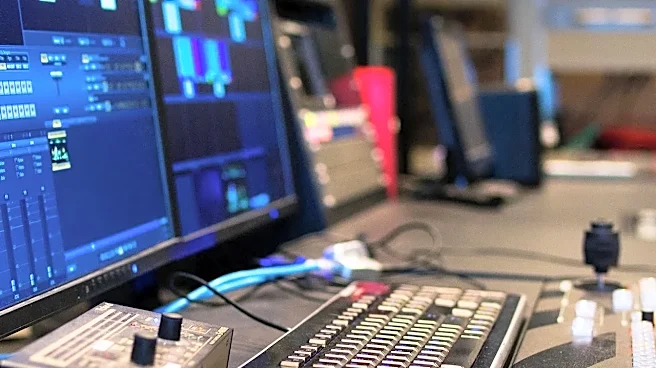
The final stage brings all three stems—dialogue, music, and effects—together onto the mixing board. This is where the true artistry lies. Re-recording mixers, often working in teams on a large mixing stage, perform a real-time ballet, adjusting hundreds of individual audio tracks to perfect the balance. They might push the music forward to carry a montage, then pull it back to let a subtle sound effect tell a story point. They ensure that an explosion has punch without completely drowning out a character's reaction. This final balance is what creates the immersive, seamless, and emotionally resonant soundtrack that, when done masterfully, earns the attention of the Television Academy and a coveted Creative Arts Emmy.