




The Last Dance for a Legend
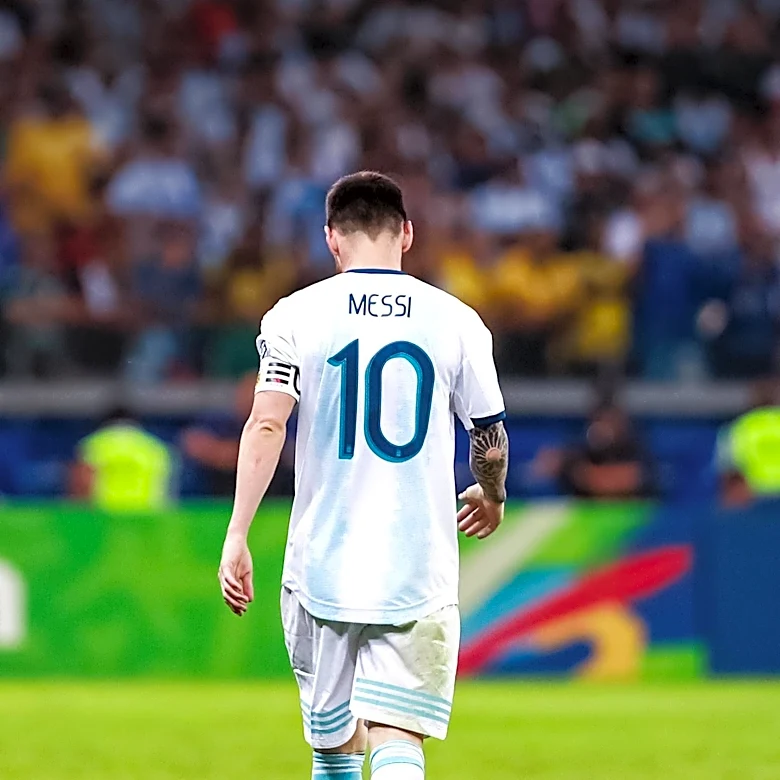
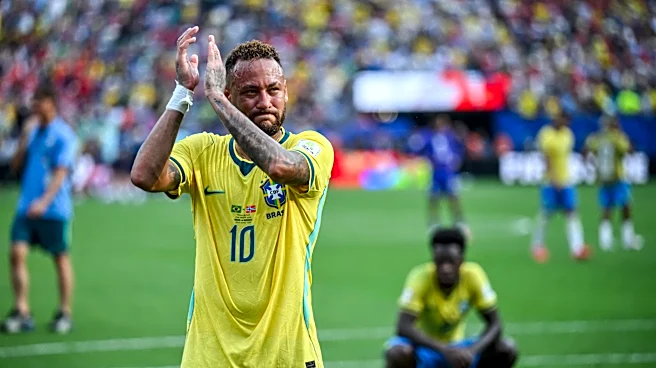
Every tournament has its titans, the living legends for whom this is the final campaign. This year, all eyes were on players like Portugal’s Cristiano Ronaldo, Brazil's Neymar, and Croatia's Luka Modrić, giants of their generation taking one last shot
at glory. For these players, every match is freighted with the weight of a two-decade career. When Portugal fell to Spain in the Round of 16, it wasn't just a loss; it was the definitive end of Ronaldo's quest for the one trophy that eluded him. The image of the 41-year-old in tears told a story not of one match, but of a lifetime of ambition meeting its final, unmovable wall. Similarly, Neymar's tearful exit after Brazil was stunned by Norway underscored the personal tragedy woven into the tournament's fabric. He, too, confirmed it was his last dance. The global stage doesn't just host a game; it frames a player’s entire legacy, condensing years of brilliance and struggle into ninety minutes of excruciatingly public theater.
When the Underdog's Dream Dies
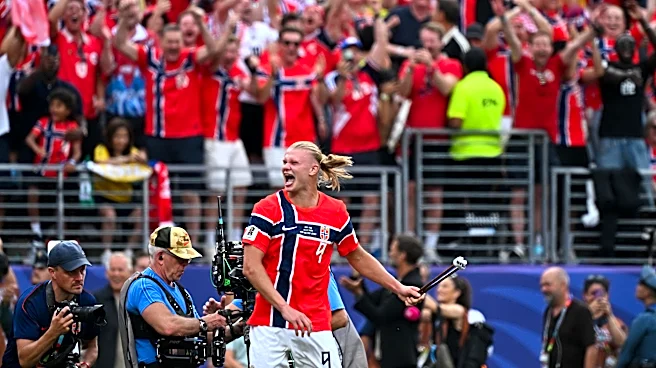
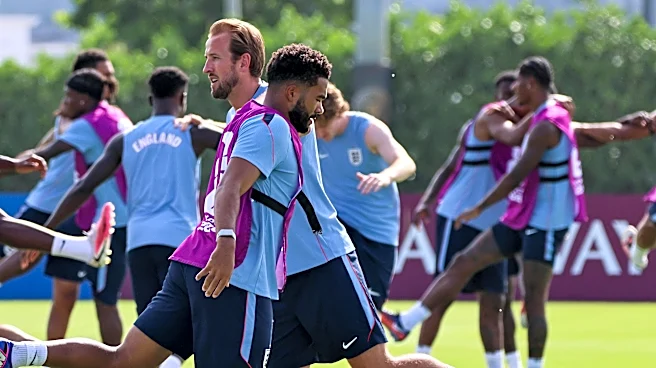
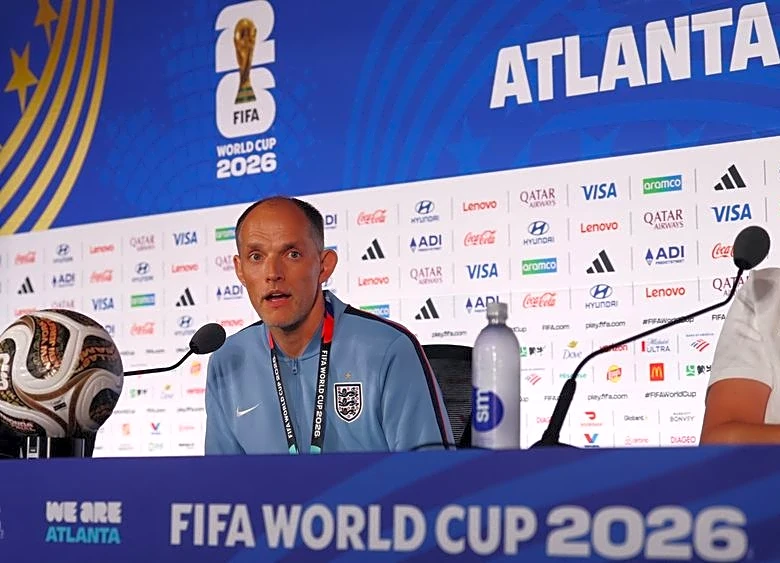
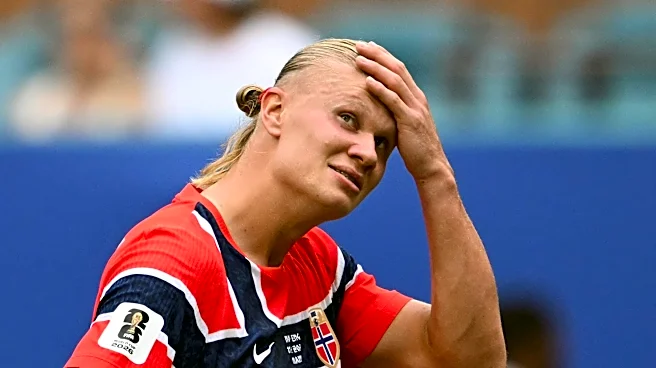
If a legend's goodbye is a slow-burning tragedy, the end of a Cinderella run is a sudden, brilliant flame being extinguished. This year's tournament served up several underdog stories, from Morocco reprising its giant-killing role to Norway’s historic run to the quarterfinals. These teams, often carried by a wave of national pride and a sense of destiny, capture the imagination of neutral fans worldwide. Canada, for instance, secured its first-ever knockout stage win, a historic high, before their dream was ended decisively by Morocco. But the goodbye always comes. For Norway, it was a hard-fought, extra-time loss to England. The abruptness of the defeat is what makes it so dramatic. There is no soft landing. One moment, a nation is united in a collective dream; the next, it’s over. The post-elimination homecoming, however, can transform the narrative from failure to celebration, with massive crowds in Oslo greeting their returning heroes, proving the journey meant as much as the destination.
The Brutal Math of Knockout Football
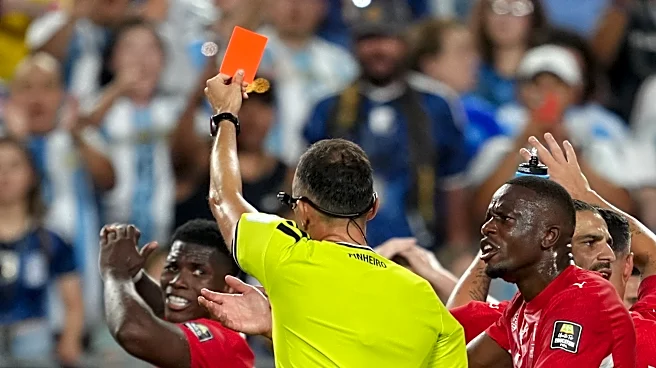
What is the engine of all this drama? It’s the tournament’s cruel, perfect structure: the knockout round. After the relative forgiveness of the group stage, where a team can lose and still advance, the tournament shifts to a sudden-death format. One bad bounce, one missed penalty, one moment of indecision, and you’re booking a flight home. Germany found this out the hard way, crashing out to Paraguay on penalties in the round of 32, extending a painful run without a knockout victory. The co-host United States, buoyed by home crowds and a knockout win over Bosnia and Herzegovina, saw their run come to a crushing halt against a clinical Belgian side. This unforgiving format is a crucible. It forces teams to gamble, creating frantic, end-to-end spectacles where a 2-0 lead can evaporate in minutes. It’s a format designed for maximum tension, ensuring that every goodbye is as definitive and dramatic as possible.
A Nation's Shared Heartbreak
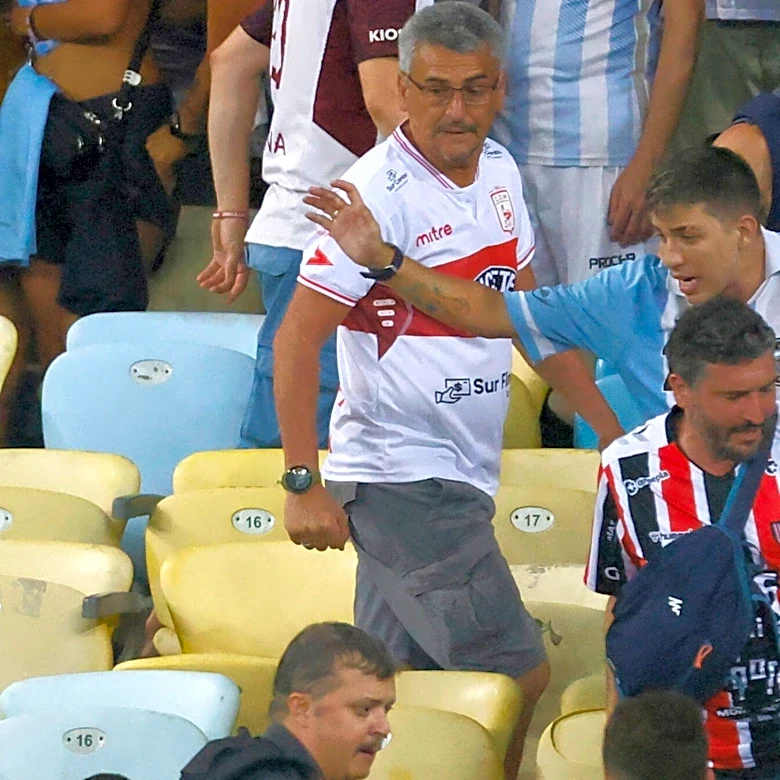
Ultimately, the drama of a World Cup goodbye resonates because it’s a shared experience. When a team is eliminated, it’s not just 26 players who lose; it’s an entire nation. The disappointment is public and profound. Following South Korea's shocking group-stage exit after a loss to South Africa, the public fury was so intense that the country's president called for an overhaul and the coach resigned. In Brazil, after the stunning loss to Norway, the squad reportedly refused to fly home together on the team plane, a sign of the disarray and shame that followed the defeat. The tournament holds a mirror up to a country, reflecting its hopes, its pride, and sometimes, its frustrations. From the jubilant watch parties in Kansas City that ended in stunned silence to the anger on social media, the emotional arc of the fans is the final, essential ingredient in this global drama. The goodbyes are so painful because the hope was so real and so widely shared.