




From Hockey Rinks to Movie Palaces
The core of Telluride's magic—and its biggest challenge—is its temporary nature. The town has only a few year-round theaters. To accommodate the world's most anticipated film premieres, the festival must build the rest from scratch. Each year, seven temporary venues
spring to life across town. The 650-seat Werner Herzog Theatre, for instance, is constructed inside a hockey rink at the town park pavilion. The Galaxy Theatre emerges from a middle school gym, and the Chuck Jones' Cinema is born from a conference center. As festival director Julie Huntsinger puts it, these venues are "built essentially from scratch annually to world-class standards." This isn't just a matter of putting up a screen; it involves constructing tiered seating, managing acoustics in cavernous spaces, and building projection booths capable of handling Hollywood's most demanding technology in a space that was hosting basketball games a week earlier.
The High-Stakes Tech Gauntlet
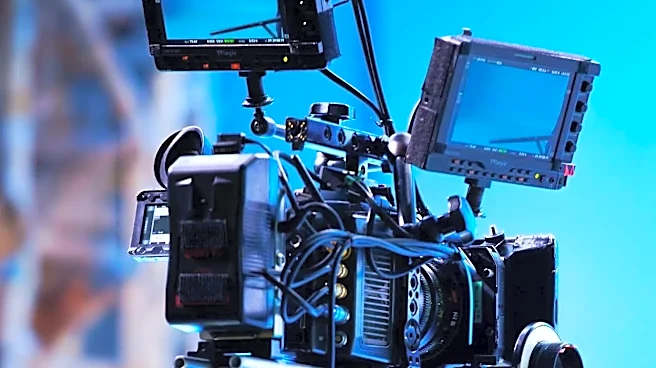
Filmmakers premiering their work at Telluride expect perfection. This isn't a local film night; it's a launchpad for awards season, and directors, studios, and distributors demand flawless presentation. The festival's technical staff must ensure every temporary theater is DCI compliant—the global standard for digital cinema—with meticulous color and audio calibration. This often involves partnerships with high-end audio and video companies like Meyer Sound and Barco to install state-of-the-art sound systems and laser projectors. The goal, as stated by the festival's leadership, is to provide "impeccable presentation in the most unlikely of places." The pressure is immense. A single technical glitch, from a projection stutter to a sound imbalance, can mar the debut of a film that has been in production for years.
A Battle of Old and New
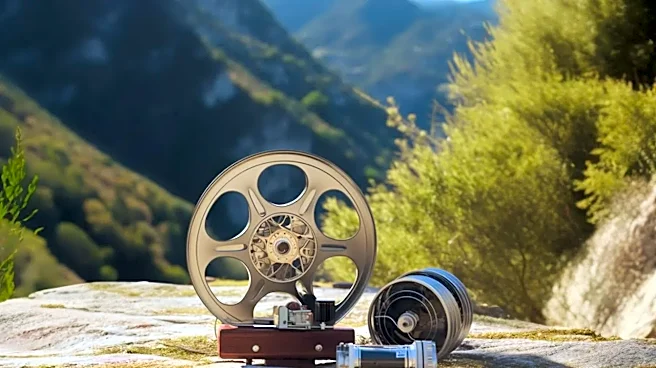
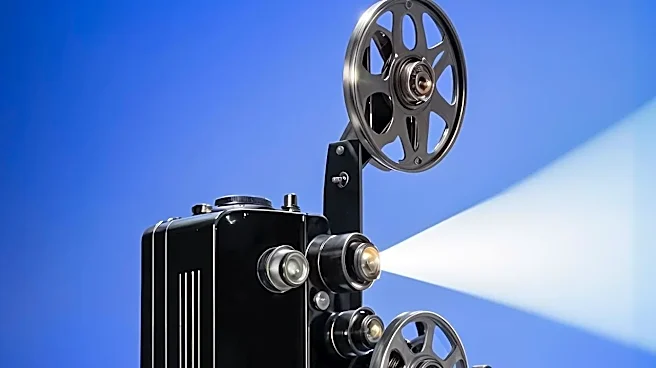
The projection challenge is further complicated by Telluride's commitment to cinema's history and future. The festival proudly screens both traditional 35mm film prints and the latest 4K Digital Cinema Packages (DCPs). This means the pop-up projection booths must be dual-purpose marvels. One night, a projectionist might be carefully threading a rare celluloid print for a retrospective. The next, they're managing a password-protected digital file for a blockbuster premiere. Accommodating both formats requires a huge investment in different types of equipment and, more importantly, a team of highly skilled projectionists who are experts in both analog and digital technologies. These technicians, many of whom also work at other top festivals like Sundance, are the unsung heroes who ensure that both a classic Charlie Chaplin restoration and the latest sci-fi epic look and sound exactly as their creators intended.
The Unseen Environmental Hurdles
Beyond the venues themselves, Telluride's stunning environment creates its own set of problems. The town sits at an elevation of 8,750 feet, where the thin air can affect not just attendees but sensitive electronic equipment. The local power grid, designed for a small mountain community, is suddenly taxed with supporting massive sound systems, power-hungry digital projectors, and the general infrastructure of a major international event. Weather is another wildcard; a sudden mountain storm can threaten the open-air cinema in Elks Park or create logistical headaches for moving delicate equipment between venues. The festival's success relies on a small army of staff and volunteers, known as the SHOWCorps, who work tirelessly to anticipate and solve these problems, ensuring that the audience's experience remains seamless, no matter what the mountain throws at them.