



The Stage for a Cold War
In fantasy epics, we expect conflict to play out with clashing swords and dragon fire. *House of the Dragon*, however, understands that the most devastating wars are often declared long before the first soldier marches. The show’s masterstroke is weaponizing
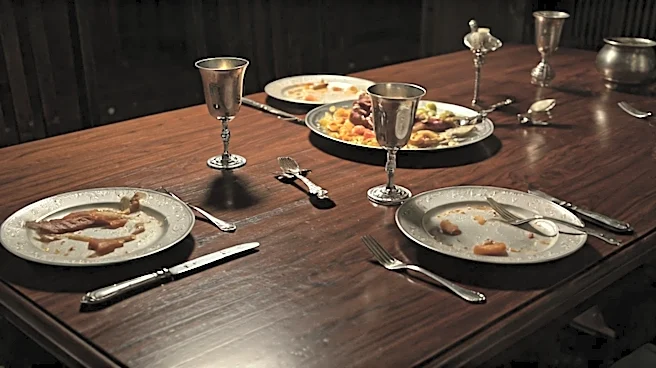
the mundane, and no setting is more potent than the family dinner table. Specifically, the fraught royal supper in the eighth episode of Season 1, “The Lord of the Tides,” serves as a perfect microcosm of the entire conflict. It’s not a battlefield; it’s something worse. It’s a pressure cooker where sworn enemies are forced to break bread, and the performance of civility only sharpens the knives hidden beneath the table. The rules of engagement are social, not martial. You can’t draw a sword, but a well-aimed toast can be just as deadly. This setting strips away the armor and armies, leaving only the raw, festering wounds of family resentment on full display for a kingdom to see.
Dialogue as a Drawn Blade
The Targaryen-Hightower dinner is a masterclass in verbal combat. Every line is loaded with years of subtext. When a decrepit King Viserys makes his agonizing journey to the Iron Throne to defend his daughter’s claim, he is fighting his last battle. His subsequent plea at dinner—“Let us set aside our grievances. If not for the sake of the crown, then for the sake of this old man who loves you all so dearly”—is a desperate truce offering. For a moment, it almost works. Rhaenyra raises a glass to Queen Alicent, acknowledging her devotion. Alicent, seemingly moved, toasts Rhaenyra in return. But peace is fragile. The real war is being waged by the next generation. The final, fatal blow comes from Aemond Targaryen. His toast to his nephews—Jacaerys, Lucerys, and Joffrey—as “strong boys” is a public accusation of their illegitimacy, a direct challenge to their mother’s honor and their own right to exist. It’s an act of pure defiance, a verbal dagger thrown across the table that shatters the king’s fragile peace and proves that hatred is a lesson learned far too well.
The Unspoken War of Glances
If the dialogue is the artillery, the acting is the infantry, fighting the battle in the trenches of silent glances and simmering expressions. The tension in the room is a physical presence, conveyed almost entirely through non-verbal cues. Watch Daemon smirk. He’s the only one enjoying the chaos, the one person who understands that this polite fiction was always doomed. Watch the fear and fury in Rhaenyra’s eyes as Aemond speaks, and the pained resignation in Alicent’s. The queen knows her son has just crossed a line from which there is no return, yet a part of her is grimly satisfied. The scene is a symphony of controlled rage. The actors communicate entire histories of betrayal with a clenched jaw or a narrowed eye. When Lucerys giggles at the pig brought to the table—a callback to a childhood prank that cost Aemond an eye—it’s not just a boy’s laugh; it’s an unthinking spark thrown into a hall filled with gunpowder. The true battlefield is in the spaces between the words.
A Prophecy of Violence
Ultimately, the dinner scene is so effective because it’s not just a fight; it’s a prophecy. It shows us exactly why the Dance of the Dragons is inevitable. Viserys, the one man holding the family and the realm together, is a ghost at his own feast. His presence is a temporary stay of execution, and his death will remove the final restraint. The brief moment of warmth between Rhaenyra and Alicent only serves to make the subsequent breakdown more tragic. They *could* have been friends, sisters even. But the grievances of their children, a reflection of their own deep-seated distrust, are now too great to overcome. The dinner table isn’t where the war begins, but it is the moment everyone tacitly agrees it must happen. Every character leaves that room with their loyalties hardened and their course of action set. The meal was meant to heal the family, but instead, it served them their last supper together, confirming that the only dish left on the menu was war.