




Start with a Small, Relatable Sin
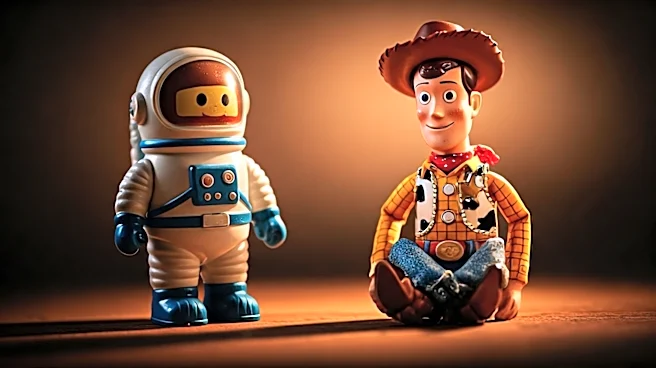
The entire Toy Story franchise kicks off not with a bang, but with a moment of petty jealousy. Woody, fearing displacement, orchestrates a plan to knock Buzz behind a desk. It’s a small, character-driven mistake. But the plan goes wrong, Buzz goes out
the window, and the entire plot of the first film is an elegant, escalating consequence of that one flawed decision. This is the gold standard. The story doesn’t begin with an external villain or a cataclysmic event; it begins with a hero’s relatable sin. Toy Story 5 doesn't need a galactic threat. It needs one of its beloved characters to make a simple, selfish mistake that spirals beautifully out of control. This is what makes the ensuing adventure feel earned, not manufactured.
Make the Stakes Personal, Not Just Physical
Getting lost is the franchise’s recurring physical stake, but the best films pair it with an existential threat. In Toy Story 2, the conflict isn't just about getting Woody back from Al’s Toy Barn; it’s about Woody confronting his own obsolescence. Does he choose a finite but loving life with Andy, or an eternal, sterile existence in a museum? In Toy Story 3, the daycare is a prison, but the true terror is the idea of being unloved and forgotten, personified by Lotso. The incinerator scene is terrifying because it’s the physical manifestation of that existential dread. A new film can't just be about the toys getting lost again. It has to introduce a new, terrifying philosophical question for Woody, Buzz, or the group to face. What does it mean to be a toy in a world of AI companions or ever-more-distracted kids? The threat has to be about their very purpose for being.
Let the Villain Mirror the Hero's Fear
A great Toy Story villain is never just a bad guy; they are a dark reflection of the hero's deepest anxiety. Stinky Pete in Toy Story 2 represents the bitterness that comes from never being loved by a child, a fate Woody is desperately trying to avoid. Lotso Huggin' Bear is what a toy becomes when the love they had is betrayed—a twisted, cautionary tale for the Sunnyside toys who still hold out hope. Even Gabby Gabby from Toy Story 4 is a masterful example; her obsessive desire for a child's love is a warped version of Woody’s own core motivation. For Toy Story 5 to land, its antagonist can't be a generic baddie. They must embody a path our heroes could plausibly go down if they made the wrong choices. The conflict becomes internal as well as external, forcing Woody or Buzz to confront the worst version of themselves.
Keep the Core Goal Incredibly Simple
Despite complex themes and elaborate set pieces, the core objective in the best Toy Story films is breathtakingly simple: “We have to get back to our kid.” This simple, primal goal acts as an anchor. It allows the plot to escalate to absurd heights—a chase on a moving truck, an escape from an airport baggage system, a flight from a garbage incinerator—without ever losing the audience. We always know *why* they’re doing what they’re doing. The emotional clarity of the goal is the engine. Toy Story 4 arguably wobbled by complicating this, giving Woody a separate, more abstract goal than the rest of the group. Toy Story 5 must return to a unified, simple, and emotionally resonant objective that everyone in the audience and on screen can understand in a heartbeat. The more complicated the adventure gets, the simpler the motivation needs to be.