





The Power of a Single, Strong Statement
Our brains are wired to love simplicity. A silhouette that can be summed up in a single glance—a perfect A-line, a dramatic bell shape, or a razor-sharp sheath—is easier to process and store in our memory. Think of it as cognitive fluency; the less mental
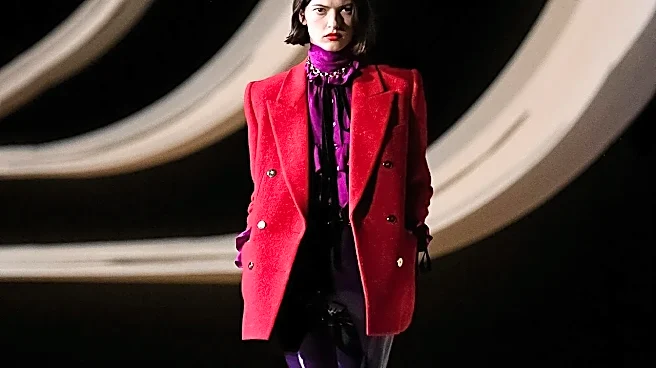
work required, the more we tend to like and remember something. During the September 2026 shows, designers who presented a clear, undiluted idea often cut through the noise. A collection built around a singular, strong shape provides a visual anchor. For example, the recurring theme of architectural precision from a label like Fforme gives viewers a clear, memorable takeaway. It isn’t about being boring; it's about being direct. A look that is immediately identifiable and describable has a powerful advantage in the battle for our attention.
Familiarity and Historical Echoes
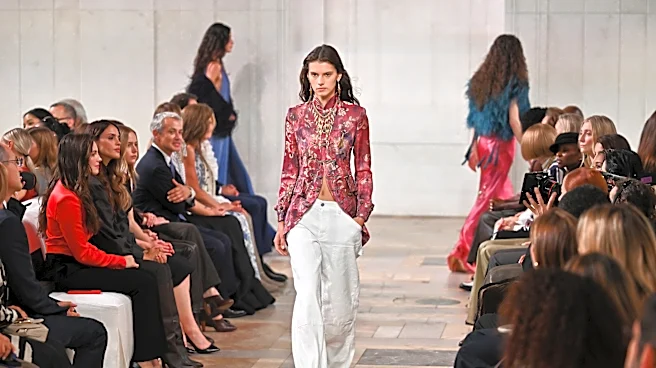
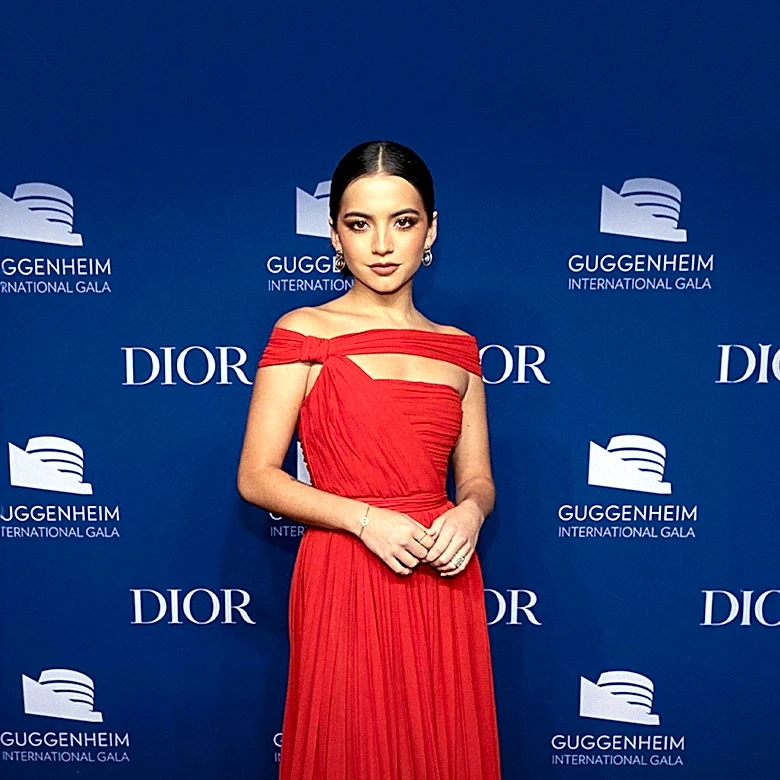
Many of the most memorable silhouettes are not entirely new. Instead, they cleverly reference iconic shapes from fashion history. A designer might evoke the rebellious spirit of '90s minimalism, the glamour of a 1950s Dior New Look, or the fluid lines of a 1920s flapper dress. These historical callbacks tap into a shared cultural consciousness. When a designer like Ralph Lauren riffs on classic American collegiate styles, it resonates because the visual language is already familiar to us. This season, the return of designers like Tommy Hilfiger to the NYFW calendar underscores the power of leaning into established style codes. These familiar shapes feel comforting and significant, like seeing a modern-day remake of a classic film. They connect the present moment to a larger, ongoing story, making them feel instantly important and worth remembering.
The Shock of the New
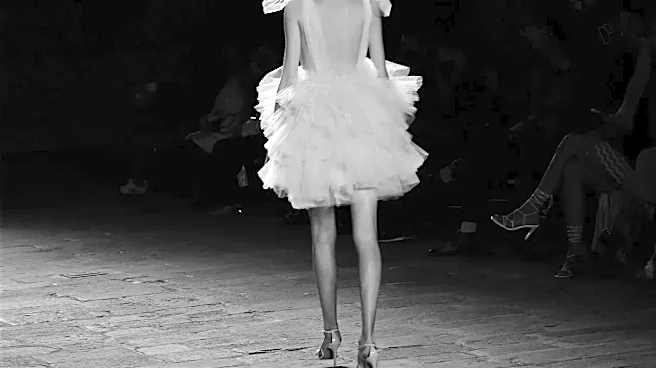
While familiarity is powerful, so is its opposite: novelty. A silhouette that radically disrupts our expectations can sear itself into our brains. This is the territory of the avant-garde, where proportions are exaggerated, materials are used in unexpected ways, and the very definition of clothing is challenged. Newcomers and emerging talents often make their mark this way. For the Spring/Summer 2027 season, a label like Bad Binch TongTong, known for its theatrical and sculptural forms, creates unforgettable moments by defying convention. These are the looks that launch a thousand memes and spark intense debate. They might not be conventionally wearable, but their purpose isn't to be practical. Their function is to be a visual spectacle, a piece of performance art that forces us to look and, more importantly, to remember.
Storytelling Through Shape
The most enduring silhouettes do more than just look good; they tell a story. The shape of a garment can communicate ideas about power, vulnerability, freedom, or restraint. The strong, padded shoulders of a Thom Browne suit suggest a kind of playful armor, while the soft, unstructured draping seen in other collections can evoke ease and intimacy. Designers like Rachel Scott of Diotima use their collections to explore heritage and cultural identity, embedding narratives into the very structure of the clothes. When a silhouette has a clear emotional or conceptual point of view, it connects with us on a deeper level than just aesthetics. We remember the feeling it gave us, the character it seemed to portray. It transforms a piece of clothing into a piece of communication, and that's a conversation that is hard to forget.