






More Than Just a Voice
For years, the podcasting world was the ultimate meritocracy of voice and content. You could be recording a chart-topping show from a blanket fort in your closet, and as long as the audio was crisp and the conversation compelling, your audience would
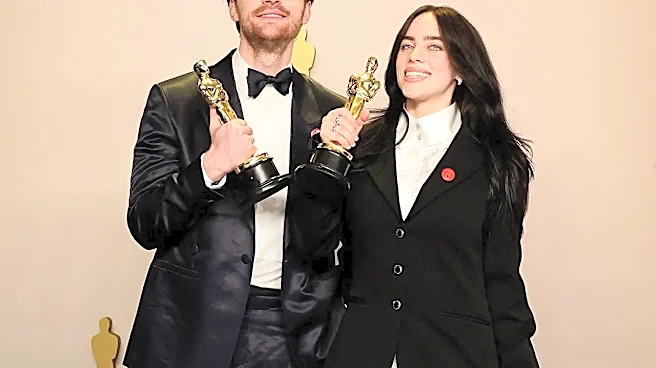
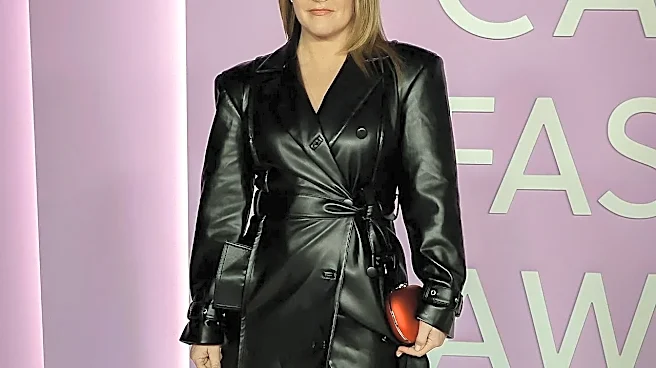
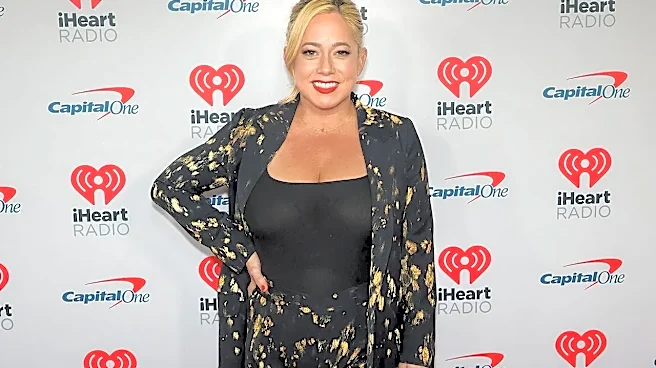
follow. But as podcasting has exploded into a multi-billion dollar industry, its biggest stars have been pulled from behind the microphone and into the spotlight. Events like the iHeartPodcast Awards now feature red carpets that rival those in film and music, creating a new imperative for hosts: developing a visual identity. This isn't just about looking good; it's a strategic move to transform an audio-first career into a full-fledged, multi-platform brand. In a crowded digital landscape, a strong visual can be the first thing that draws a potential listener in, even before they hit play.
The Currency of a Cohesive Look
Think of it as the inverse of traditional celebrity. While we’ve always known what movie stars look like, we’ve only recently started putting faces to the voices of our favorite podcasts. That transition offers a unique branding opportunity. Fashion becomes a shortcut to communicating a show's tone and values. The host of a hard-hitting investigative series might opt for sharp, minimalist tailoring, projecting authority and seriousness. Meanwhile, a comedy duo might appear in bright, coordinating colors that signal their playful dynamic. This visual consistency, when deployed across social media, TV appearances, and live events, creates a powerful and memorable brand. It helps an audience feel a deeper, more personal connection, transforming passive listeners into a loyal community who are invested in the host as a personality, not just a voice.
From Audio Star to Style Influencer
The rise of the visually savvy podcaster has also opened up new commercial avenues. As hosts cultivate a distinct personal style, they attract the attention of fashion and lifestyle brands. What begins as a strategic choice for a red carpet can evolve into lucrative brand partnerships, sponsored content, and even the launch of their own product lines. We've seen this playbook perfected by influencers on Instagram and TikTok for years, and now podcasters are catching on. It’s a virtuous cycle: a strong visual identity grows their audience, which in turn makes them more attractive to brands, giving them more resources to invest back into their show and overall brand. It’s a sign of the industry's maturation, where hosts are no longer just creators; they are the CEOs of their own multifaceted media businesses.
The New Audio-Visual Playbook
Celebrity stylists, once the exclusive domain of Hollywood actors and musicians, are now being enlisted by top-tier podcasters. These stylists don't just pick a nice outfit; they engage in what's known as narrative dressing—crafting a story through clothing. They consider the podcast's genre, the host's personality, and the audience they want to attract. The goal is authenticity, ensuring the visual style feels like a natural extension of the audio content listeners already love. A jarring mismatch between a host’s voice and their visual brand can feel inauthentic and alienate fans. But when done right, fashion provides an additional layer of communication, amplifying the show's message and making the entire brand package more compelling and marketable.