







The Captain: A Model of Consistency
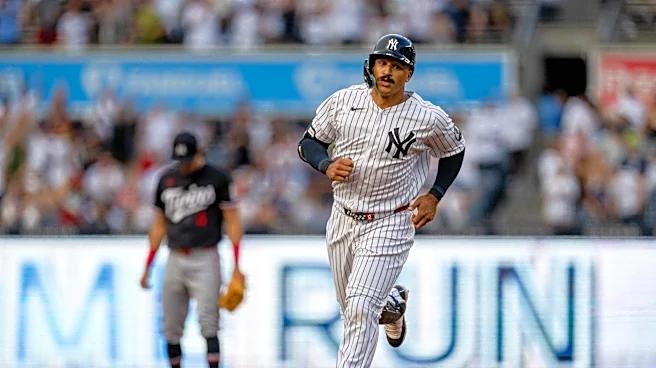
For two decades, Derek Jeter was more than the New York Yankees’ shortstop; he was the franchise’s heartbeat. From his 1996 Rookie of the Year campaign to his final at-bat in 2014, Jeter was a model of sustained excellence. He amassed 3,465 hits, 14 All-Star
selections, and five Gold Gloves. He was the steady, dignified leader of a modern dynasty, the kind of player who showed up, did his job with quiet confidence, and won. In an era of constant change, Jeter was a reliable force. But plenty of players have great regular seasons. What separated Jeter was his transformation when the calendar flipped to October.
Mr. November: When October Called
Jeter’s postseason stats are essentially an entire extra season of Hall of Fame-caliber baseball. Over a record 158 playoff games, he batted .308 with 200 hits. But his legend was built on moments. There was “The Flip” in the 2001 ALDS, an impossible, instinctual play that saved a season. Most famously, there was the 2001 World Series. Just after midnight in Game 4, as the date changed to November 1st, Jeter hit a walk-off home run, instantly earning the nickname “Mr. November.” It was the perfect metaphor for his career: a player whose internal clock was always set to the postseason. He wasn't just good in the clutch; he was clutch personified, elevating his game when the stakes were highest.
The Specialist: Germany's World Cup Weapon
Now, imagine a player with a similar blueprint from a different sporting universe. Meet Miroslav Klose. To the casual American fan, his name might not ring a bell like Jeter's. His club career in Germany and Italy was very good—winning league titles with Bayern Munich—but not on the level of global megastars. Klose wasn't the fastest or the flashiest. He was a humble, hard-working striker known for his professionalism. But every four years, when the FIFA World Cup came around, he transformed from a great player into an historical force. His entire legacy was defined by what he did for his country on the world’s biggest stage.
Four Tournaments, One Unbreakable Record
Klose played in four World Cups, from 2002 to 2014. In a tournament where the pressure cripples most, he thrived. He won the Golden Boot as the top scorer in 2006. Over his career, he scored 16 World Cup goals, an all-time record until very recently. He scored his record-breaking 16th goal against host nation Brazil in the 2014 semifinal, a moment that cemented his place in history before he and Germany went on to lift the trophy. Like Jeter, Klose wasn't just a participant in the tournament; he was its master. He didn’t just play; he delivered, time and time again, with a quiet, lethal reliability that became his trademark.
The Blueprint for Immortality
Here lies the common thread between the shortstop from Kalamazoo and the striker from Opole. Both built remarkable careers on a bedrock of consistency and professionalism. But they achieved sporting immortality through their performances in the tournaments that defined their sports. For Jeter, it was the MLB Postseason; for Klose, the FIFA World Cup. They understood that a great regular season makes you a star, but legendary status is earned in the knockout rounds. Their careers prove that timing is everything. It’s not just about how good you are over a long career, but how great you can be in those few, high-leverage moments that everyone remembers.