




When the TV Guide Was Law
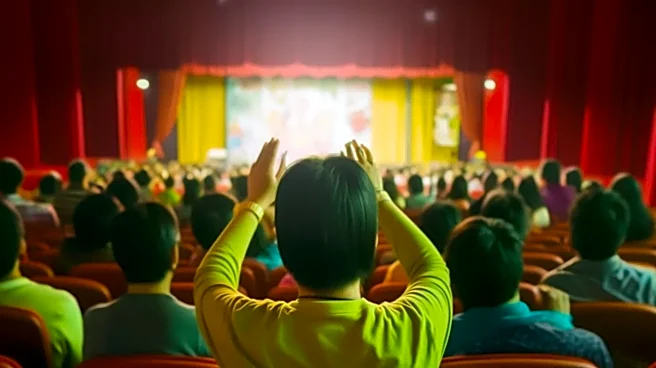
For decades, the rhythm of American life was dictated, in part, by the television schedule. Families gathered not just for dinner, but for the shared experience of watching a show at the exact moment it was broadcast. Missing the season finale of a hit
like Seinfeld or Dallas meant you were out of the loop at work or school the next day. This wasn't just entertainment; it was a cultural communion, a collective experience shared by millions simultaneously. In an era with only a handful of channels and one primary television in the home, the network schedule was a powerful force, creating a national watercooler conversation and a predictable structure for evening leisure. The choice was simple: you watched what was on, or you didn't watch at all.
The First Taste of Freedom: The DVR
The first major crack in the rigid dam of network scheduling was the Digital Video Recorder (DVR). Suddenly, viewers had a taste of control. The VCR had offered a clunky version of time-shifting, but the DVR made it effortless. You could pause live TV, skip commercials, and build a library of shows to watch whenever you wanted. This seemingly small innovation was a revolutionary act. It severed the direct link between broadcast time and viewing time. While it didn't kill appointment TV overnight, it planted the seed of a new expectation: the audience, not the broadcaster, should be in charge of the schedule. The shared cultural moment began to stretch from a single night into a viewing window of a few days.
The Endless Buffet of Streaming
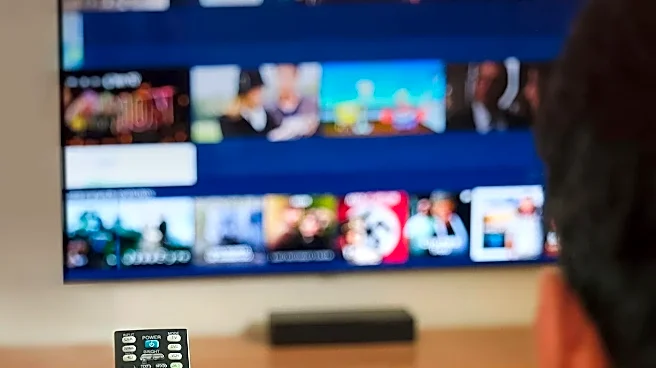
Then came the deluge. The rise of streaming platforms like Netflix, Hulu, and dozens of others completely upended the model. The question was no longer "What's on?" but "What do I want to watch?". This shift from a curated feed to an endless, on-demand library changed everything. It introduced the world to binge-watching, turning a weekly ritual into a weekend-long marathon. The shared cultural pace was shattered; some viewers would devour a new season in a day, while others would savor it over weeks. With streaming now the dominant form of TV consumption across younger generations, and with most households subscribing to multiple services, the idea of a single, unifying schedule has all but vanished.
The 'Second Screen' Takes Over
Even as we gained control over what and when we watch, another phenomenon was fundamentally changing how we watch: the second screen. Today, watching television with a phone or laptop in hand is the default behavior for a vast majority of viewers. Forecasts for 2026 suggest that nearly two-thirds of social media users will be dual-screening while watching TV. This constant digital companion splits our focus. We fact-check plot points, scroll through social media during slower scenes, and message friends. This divided attention means that even when we are technically watching a show, we are not fully immersed. Our engagement becomes more fragmented, paving the way for television's next evolution.
2026: The Age of Ambient Television
This brings us to the current era, where television often functions as a form of sophisticated background noise. Welcome to the age of "ambient TV." For a significant portion of the audience, streaming content isn't an activity in itself, but a comforting soundtrack for other tasks like cooking, working from home, or scrolling on a phone. Streaming services have even recognized this trend, with platforms reportedly flagging certain shows internally as ideal for second-screen viewing. These shows often feature repetitive plot points and simple narratives, designed to be followed with only partial attention. In this 2026 landscape, the TV is less of a campfire for the family to gather around and more of a personalized, flexible, and ever-present companion that fills the silence.