



More Than Just a Random Playlist
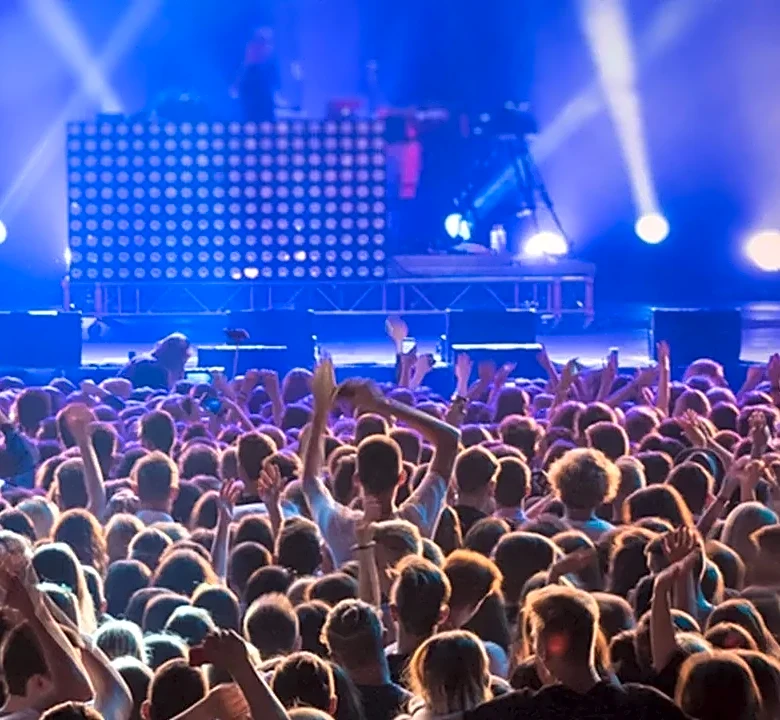
The gap between performances, known as a 'changeover,' is a delicate time at any live event. The energy from the previous act can dissipate quickly, leaving a void of shuffling feet and idle chatter. Filling that void isn't a job for a random Spotify
playlist. Increasingly, artists, teams, and event organizers treat this interstitial time as a critical part of the show itself. It's a curated experience managed by a front-of-house engineer, a tour DJ, or even the artists themselves. A band might hand their sound engineer a specific MP3 player to ensure the mood complements their own music. This isn't an afterthought; it’s a tool for setting the tone, managing crowd expectations, and ensuring the transition from one act to the next feels seamless.
The Science of Crowd Control
At its core, changeover music is a form of mass communication and psychological stage-setting. Music has a profound ability to evoke emotion, unify a crowd, and manage energy levels. A skilled DJ or music supervisor can read the room, using tempo and volume to either maintain the hype from an opener or, conversely, bring the energy down to create a sense of anticipation for a more atmospheric headliner. The goal is to prevent the audience's energy from cratering into boredom or frustration. Think of a baseball game's walk-up music—a 15-second blast chosen to hype up both the player and the stadium. Changeover music operates on the same principle but over a longer duration, acting as a bridge that keeps the audience emotionally invested and primed for what's next.
Branding Between the Beats
Beyond mood management, changeover music is a powerful branding tool. The songs an artist chooses to play before they even hit the stage tells you who they are and what they value. It’s an extension of their artistic universe. A punk band might play deep cuts from their heroes, signaling their influences and credibility. A pop star’s pre-show playlist might be filled with current, high-energy hits to create a party atmosphere that reflects their own music. These choices are deliberate, helping to build a cohesive experience that starts long before the first official note is played. In the world of professional sports, this is just as true. The iconic tolling bell of AC/DC's "Hells Bells" became synonymous with legendary Padres closer Trevor Hoffman, turning a pitching change into a piece of stadium theater.
When Good Music Goes Wrong
Of course, this can all backfire. The wrong changeover music can actively harm the concert experience. A playlist that's jarringly different from the headliner's style can create tonal whiplash, leaving the audience confused or annoyed. Music that's too loud can be physically exhausting before the main act even starts, while a repetitive or uninspired selection can amplify the feeling of waiting. In some cases, bands have been horrified to hear the house PA playing their own songs—or tracks from a genre they actively dislike—before their set. This is why many touring acts now insist on controlling the pre-show and changeover audio. It's a critical element of quality control that ensures the entire event, from the moment doors open to the final encore, feels like a single, unified vision.