




The Science of Squeezing
Warmth from clothing, especially from insulated coats, doesn't come from the fabric itself, but from the air it traps. Materials like down or synthetic puff fillers are effective because their loft, or fluffiness, creates thousands of tiny air pockets
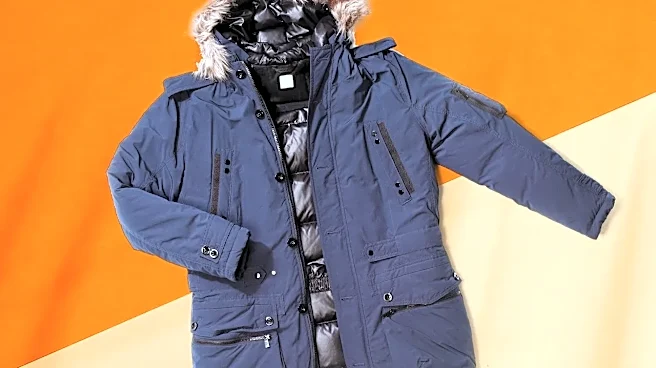
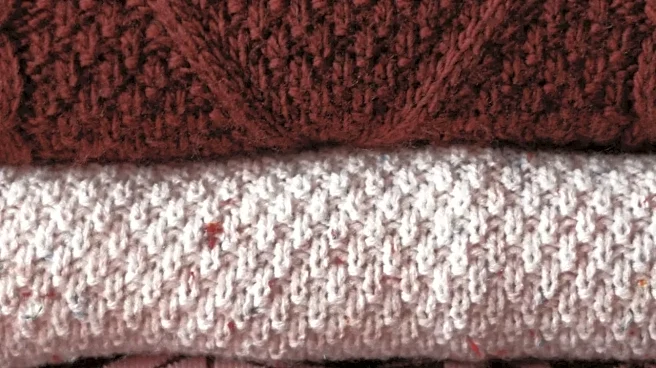
that hold your body heat. When you force a thick, bulky sweater underneath a close-fitting coat, you compress the coat's insulation. This squeezes out those crucial air pockets, significantly reducing its ability to keep you warm. The result is not just a loss of warmth but also restricted movement and a feeling of being uncomfortably compressed.
Think in Threes: The Layering System
Outdoor experts and stylists agree that the key to winter warmth is a three-part layering system, not a single thick garment. This approach allows for better temperature regulation as you move between different environments. The system consists of a base layer to manage moisture, a mid-layer to insulate, and an outer layer to protect from wind and rain. When each layer does its job correctly, you can wear less overall while feeling much warmer and more comfortable. The goal is to create a functional wardrobe that adapts with you.
Your Base Layer: The Unsung Hero
The most overlooked but critical piece is the base layer, which sits directly against your skin. Its primary job is to wick moisture and sweat away from your body to keep you dry. Staying dry is essential for staying warm, because moisture pulls heat away from the body. This is why cotton is a poor choice for a base layer; it absorbs moisture and stays damp, making you feel chilled. Instead, opt for materials like merino wool or modern synthetics like polyester, which pull moisture to the surface to evaporate, keeping you dry and comfortable.
The Mid-Layer Is Your Personal Furnace
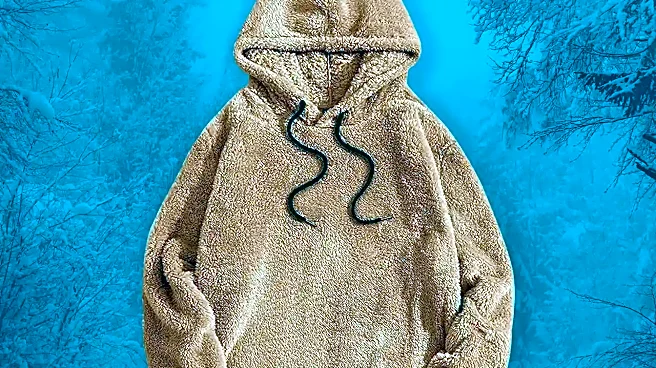
This is where your sweater comes in, but it doesn't have to be the bulkiest one you own. The mid-layer's job is to provide insulation by trapping the heat your body generates. Instead of a chunky cable-knit, consider more efficient and less bulky options that fit smoothly under a coat. Lightweight fleece, thin merino wool sweaters, or a light down or synthetic vest are excellent choices. These materials provide significant warmth without the volume, preserving the insulating air space needed for your outer coat to work properly. A vest is a particularly smart option for active days, as it keeps your core warm while allowing excess heat to escape from your arms.
Choose Your Outer Layer Wisely
Your winter coat is your shield against the elements. It should block wind and precipitation, protecting the warm air trapped by your inner layers. When shopping for a winter coat, it's a good practice to wear the kind of mid-layer you typically use, like a fleece or a medium-weight sweater. This ensures you buy a size that accommodates layers without compressing them. Look for a fit that is close but not tight, allowing for a full range of motion. A coat that fits correctly over your layers will not only be more comfortable but will also keep you significantly warmer by allowing each part of your layering system to function as intended.