

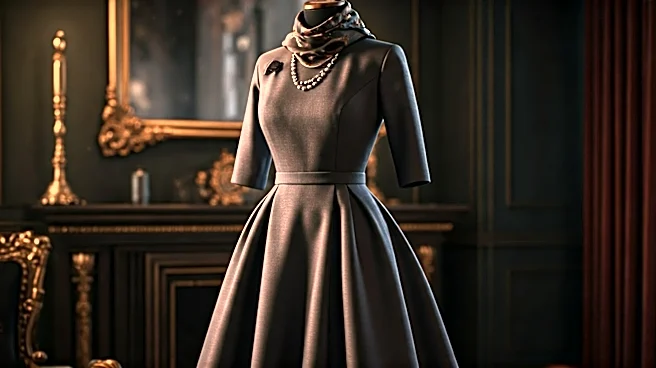
It Starts with the Waist
This might seem obvious, but its importance can't be overstated. The defining characteristic of an hourglass shape is a well-defined waist in proportion to the bust and hips. Many coat styles—especially straight-cut puffers or boxy 'boyfriend' fits—are
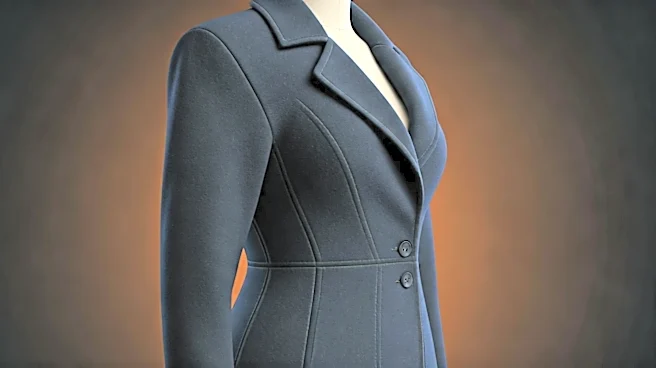
designed to erase this feature, creating a rectangular silhouette. The single most effective detail is a built-in waist definition. This doesn't just mean a wrap coat (though those are excellent). Look for coats with an integrated belt, a subtle nipped-in waist seam, or an adjustable drawstring. This element acts as an anchor, ensuring the garment highlights your natural shape rather than obscuring it under layers of fabric. It’s the foundational detail that makes all others work.
The Single-Breasted Secret
Here's a detail many people miss: the button stance. For an hourglass figure, a single-breasted coat is almost always more flattering than a double-breasted one. Why? A double-breasted design features two parallel rows of buttons, which adds visual width and bulk right across the bust and torso. This can make a fuller bust appear wider and disrupt the balanced proportions you're trying to highlight. In contrast, a single-breasted coat creates a clean, strong vertical line down the center of your body. This line draws the eye inward and upward, elongating your torso and allowing your natural curves to provide the width, not the coat's design. It’s a subtle switch that keeps the silhouette streamlined and elegant.
Fabric Is Not Just a Feeling
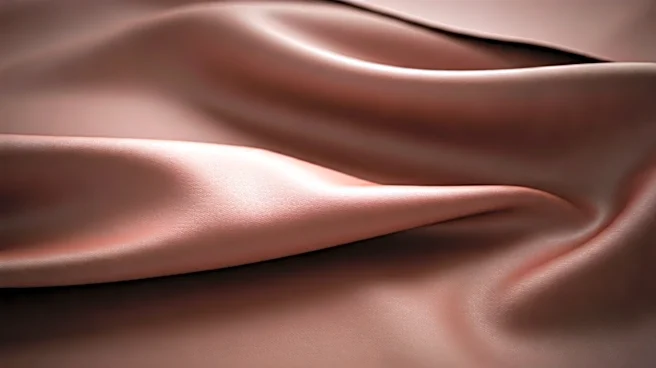
The material of a coat is as important as its cut. Stiff, unyielding fabrics like heavy, rigid wool or thick, non-pliable synthetics are the enemy of curves. They tend to tent out from the bust and hips, creating a boxy shape and hiding the waist entirely. The 'hidden detail' here is fabric with drape and weight. Look for materials like softer wool blends, cashmere, or trench-style fabrics that are structured but not stiff. These materials are heavy enough to hang beautifully but flexible enough to follow the lines of your body. They move with you, hinting at the shape underneath without clinging. This allows a belted coat to cinch gracefully and an A-line coat to skim over the hips perfectly, rather than fighting against your frame.
Look for Strategic Seams
Tailoring is where the magic really happens, and the seams are the secret ingredient. Instead of a coat made from simple, flat panels of fabric, look for one with shaping seams. 'Princess seams' are your best friend—these are long, curved seams that run from the shoulder or armhole down to the hem, curving inward at the waist. They are literally designed to build a contoured, feminine shape directly into the garment. Similarly, well-placed darts around the bust and waist are indicators of a higher-quality, better-fitting coat. These seams do the work of defining your shape even when the coat is unbuttoned or unbelted, preventing it from looking like a shapeless sack.
The Right Lapel Proportions
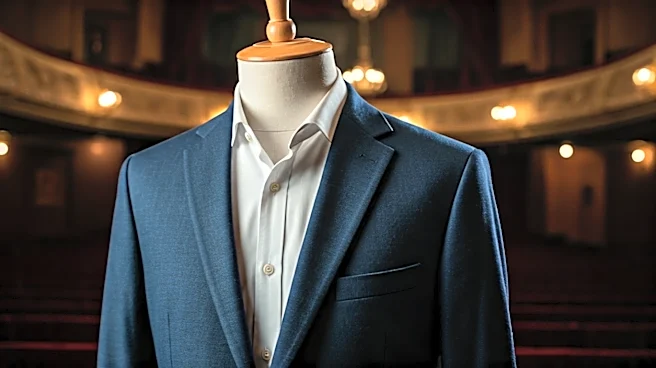
The collar and lapel area frames your face, but it also plays a key role in overall balance. For an hourglass figure, the goal is to maintain the beautiful symmetry you already have. Avoid extremes: massively oversized peak lapels can add too much volume to the shoulder and bust area, while tiny, thin lapels can look disproportionately small. The sweet spot is a classic notch lapel of a moderate width. It provides structure and a traditional V-neckline, which is universally flattering, without overwhelming your frame. This detail ensures the top half of the coat remains in harmony with the bottom half, completing a polished and proportional look.