






The Great Betrayal
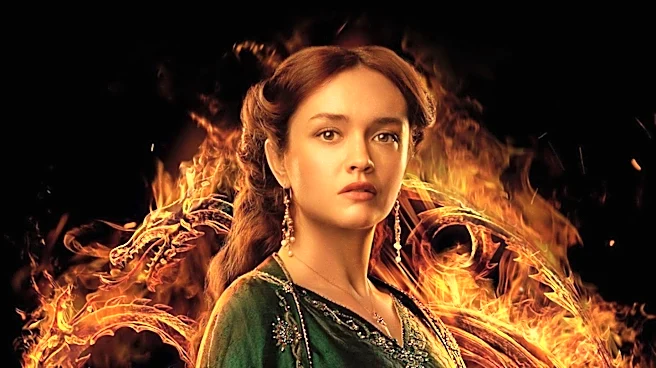
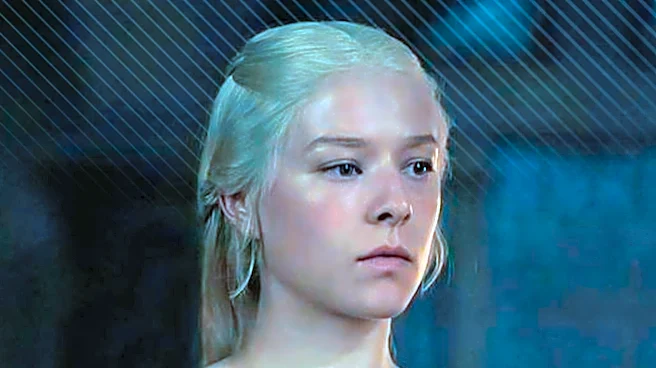
Before they were warring queens commanding armies and dragons, they were just girls. In the first half of *House of the Dragon*’s premiere season, Rhaenyra Targaryen and Alicent Hightower share a bond so intimate it borders on romantic. They sneak through
the Red Keep, share secrets in High Valyrian, and find solace only in each other’s company. It’s this foundational closeness that makes their eventual fracture so devastating. Pressured by her father, Otto Hightower, Alicent marries Rhaenyra’s own father, King Viserys, becoming not just the queen but her best friend’s stepmother. The move is a political masterstroke and a personal cataclysm. It drives a wedge between them that grows into a chasm of mistrust, jealousy, and competing claims to the Iron Throne. This is the “friendship rupture” at the heart of the story—a slow-motion political and emotional car crash that sets the stage for the Targaryen civil war known as the Dance of the Dragons. By the time Emma D’Arcy and Olivia Cooke take over the roles as the adult versions of the characters, the love has curdled into a cold, bitter resentment that defines the show’s central conflict.
A Negroni, Sbagliato, With Prosecco
But step away from the gloomy halls of King’s Landing, and the dynamic couldn't be more different. In a now-legendary promotional clip for HBO, D’Arcy and Cooke sat down to discuss their characters and favorite drinks. When Cooke mentioned her go-to was a gin martini, D’Arcy, with a captivating, languid charm, replied that their own was a “negroni… sbagliato… with prosecco in it.” The internet promptly lost its collective mind. The clip went viral, becoming a meme, a TikTok audio sensation, and a shorthand for D’Arcy’s magnetic charisma. More importantly, it showcased the duo’s real-life chemistry. Their easy banter, genuine laughter, and clear affection for one another created a public persona that was the polar opposite of their on-screen counterparts. Fans fell in love not just with Rhaenyra and Alicent, but with Emma and Olivia. This delightful off-screen friendship became its own parallel narrative, one built on charm and mutual respect rather than betrayal and political maneuvering.
The Method in the Madness
So, how does this off-screen warmth translate to such believable on-screen animosity? According to the actors themselves, one directly fuels the other. D’Arcy and Cooke have spoken extensively about using their real friendship as an emotional blueprint for what their characters lost. Because they have a genuine foundation of trust and understanding, they can more deeply imagine the pain of that bond being irrevocably broken. D'Arcy has described their process as looking at Cooke and thinking about how much they love them, then channeling the agony of what it would feel like to be positioned against them. It’s a brilliant acting choice. Instead of playing pure hatred, they play the ghost of a dead love. Every icy stare from Alicent or defiant glare from Rhaenyra is layered with the memory of their shared girlhood. The audience feels this history because the actors themselves are actively drawing from a place of real connection. The bitterness feels earned, and the tragedy feels profound, because the love that preceded it feels authentic.
Fueling the Franchise Fire
This perfect storm of on-screen tragedy and off-screen joy is, in a word, franchise fuel. HBO’s marketing doesn’t have to manufacture drama or create fake rivalries. The narrative is already there, playing out on two separate but connected stages. Audiences tune in to watch the devastating conflict between the Green and Black factions, all while knowing that the actors at the center of it are friends. This meta-awareness enriches the entire viewing experience. It makes the story more compelling, the performances more impressive, and the characters’ motivations more poignant. Fans root for their chosen queen on screen, while simultaneously celebrating the actors’ partnership off screen. This duality keeps the conversation going long after the credits roll and builds a level of investment that is incredibly valuable for a long-running series. The D’Arcy-Cooke dynamic proves that in the modern age of fandom, the story behind the story can be just as powerful as the one being told.