

The Anatomy of Sun-Prone Lips
The skin on your lips is fundamentally different from the rest of your skin, making it uniquely vulnerable to sun damage. It's thinner, more delicate, and contains significantly less melanin, the pigment that provides a natural defense against UV radiation.
This lack of natural protection means your lips can burn easily and are a common site for skin cancers, which can be more aggressive in this area. Daily, year-round protection is not just about preventing painful, chapped, or sunburned lips; it's a crucial step in preventing premature aging and serious health risks.
The Unbeatable Convenience of the Stick
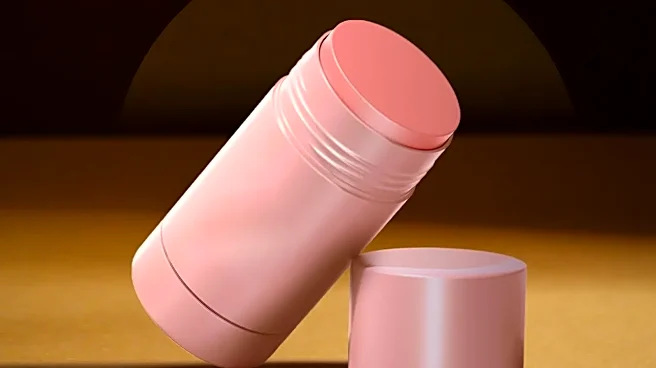
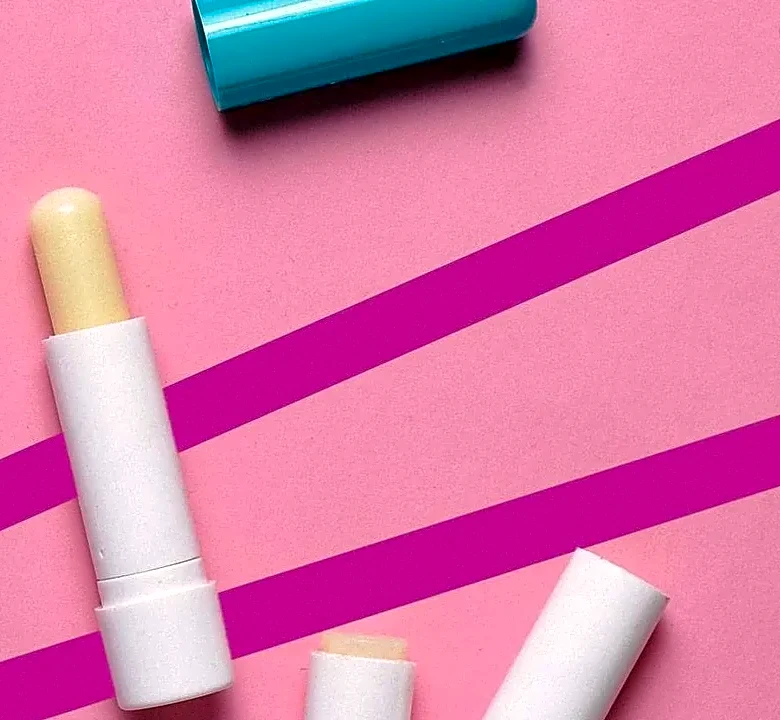
When it comes to sun protection, the best product is the one you'll actually use consistently. This is where the SPF balm stick truly shines. Its solid, twist-up format is designed for life on the go. You can toss it in a pocket, purse, or gym bag without any fear of leaks, spills, or greasy residue—a common issue with lotions or glosses in pots. Application is precise, clean, and fast. You can swipe it on targeted areas like the lips, nose, and ears without getting your hands messy, making it ideal for quick touch-ups whether you're driving, hiking, or just running errands.
Balm vs. Gloss: A Sunny Showdown
While a glossy lip might be aesthetically pleasing, it may not be the most reliable choice for sun protection. Lip glosses tend to wear off quickly due to eating, drinking, and talking, requiring very frequent reapplication to maintain their stated SPF. In contrast, lip balms, particularly stick formulations, are made with waxes and butters that give them a thicker texture and superior staying power. This waxy base helps the sun-protective ingredients adhere more securely to the lips, providing more dependable coverage between applications. For those who love shine, a smart strategy is to apply a solid SPF balm stick as a protective base and then layer a gloss on top for the desired finish.
Decoding the Label: What to Look For
When choosing an SPF lip balm, the label is your best friend. For effective protection, dermatologists recommend an SPF of 30 or higher, which blocks about 97% of UVB rays. Also, ensure the product is labeled "broad-spectrum," meaning it protects against both UVA (aging) and UVB (burning) rays. You'll encounter two main types of sunscreen filters: mineral and chemical. Mineral sunscreens, like zinc oxide and titanium dioxide, create a physical barrier and are often gentler on sensitive skin. Chemical sunscreens absorb UV radiation. The choice is personal, but many dermatologists favor mineral options for the sensitive lip area. Beyond SPF, look for hydrating ingredients like shea butter, vitamin E, or aloe to keep lips moisturized and prevent dryness.
The Golden Rule: Reapplication Is Everything
No matter which SPF lip product you choose, its effectiveness hinges on reapplication. The standard guideline is to reapply at least every two hours when outdoors. However, for lips, this needs to be even more frequent. Activities like eating, drinking, swimming, or even just licking your lips will cause the product to wear off much faster. A good rule of thumb is to reapply after any of these activities. Making SPF lip balm a daily habit, applied in the morning and topped up throughout the day, is the best investment you can make in the long-term health and appearance of your smile.