







The Stage: A Classic Rivalry
The scene was Bloemfontein, South Africa, on June 27, 2010. The World Cup Round of 16. The matchup was a classic: England versus Germany, a rivalry steeped in decades of dramatic, high-stakes history. Germany had come out strong, taking a 2-0 lead with
goals from Miroslav Klose and Lukas Podolski. England looked shaky, but in the 37th minute, defender Matthew Upson headed in a goal to make it 2-1, giving his team and their traveling fans a sudden surge of hope. The momentum was shifting. For 54 seconds, it felt like a comeback was on.
The Shot Seen 'Round the World
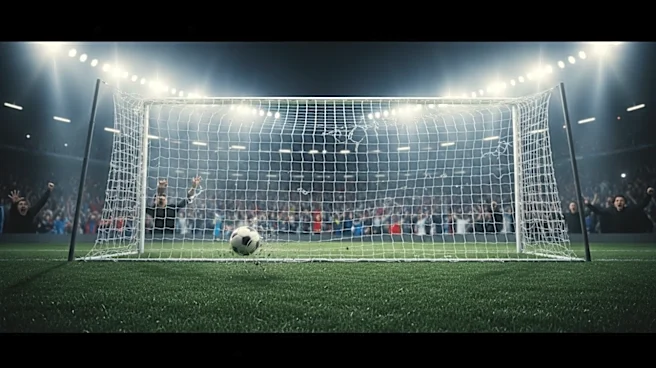
Just moments after Upson’s goal, England midfielder Frank Lampard received the ball just outside the penalty area. He struck a beautiful, looping shot that sailed over German goalkeeper Manuel Neuer, slammed off the underside of the crossbar, and bounced down. To millions watching on TV, the reality was instantaneous and obvious: the ball was clearly, unequivocally, a good yard over the goal line. It was a goal. It had to be 2-2. England players wheeled away in celebration, but the referee, Jorge Larrionda of Uruguay, waved play on. He and his linesman had missed it.
Anatomy of a 'Ghost Goal'
In soccer, a "ghost goal" is the term for a moment when a goal is either wrongly given when the ball hasn't crossed the line, or, as in this case, wrongly disallowed when it has. The ball came down and spun back into play so quickly that the officials, relying only on the naked eye from their positions, failed to see what replays confirmed in seconds. Neuer, the German keeper, cleverly compounded the error by grabbing the ball and quickly putting it back in play, acting as if nothing had happened. For England, a moment of elation turned to incandescent rage. The game was still 2-1.
The Furious Fallout
The psychological blow was massive. Instead of going into halftime level at 2-2 with all the momentum, England was deflated and demoralized. Germany regrouped and clinically picked England apart in the second half with two more goals from Thomas Müller, running out 4-1 winners and knocking England out of the World Cup. While many analysts agreed Germany was the better team on the day, the debate has raged ever since about how the game would have unfolded had the score been tied. The disallowed goal became the focal point of England's fury and frustration, a symbol of a campaign derailed by a single, catastrophic error.
A Legacy of Change
The Lampard incident was so egregious and occurred on such a massive global stage that it became the final, undeniable argument for technological assistance in soccer. For years, FIFA president Sepp Blatter and the game's governing bodies had resisted calls for goal-line technology. This ghost goal made their position untenable. Blatter publicly apologized for the error after the match. Two years later, the International Football Association Board (IFAB) officially approved the use of goal-line technology. The system, which uses high-speed cameras to instantly determine if the ball has crossed the line and alerts the referee, was implemented at the 2014 World Cup and is now standard in major leagues worldwide.