




More Than Just 'Naked Dressing'
For years, the 'naked dress' has been a red-carpet staple, a headline-grabbing tool relying on strategically placed beads and a whole lot of nerve. It’s a statement about confidence and provocation. But the wave of transparency sweeping through Parisian
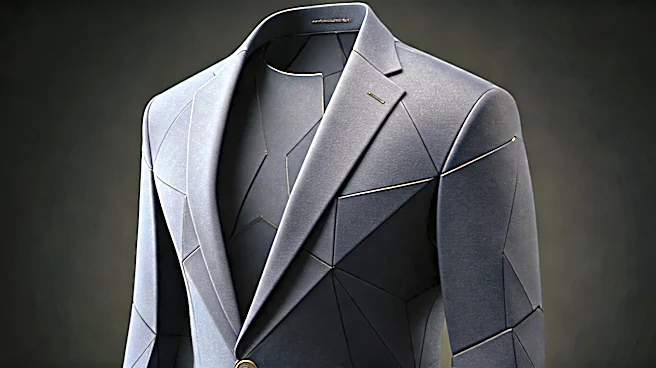
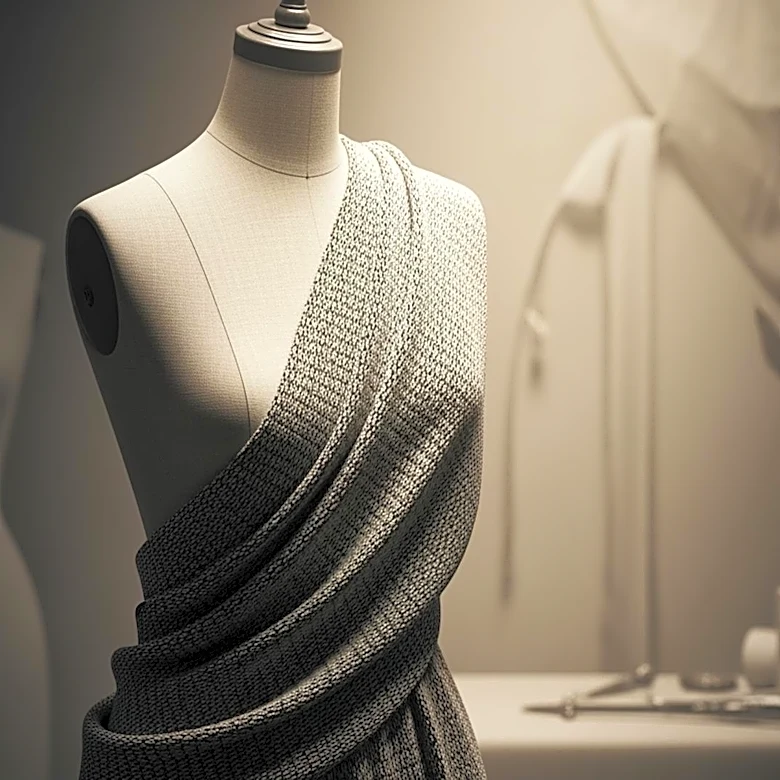
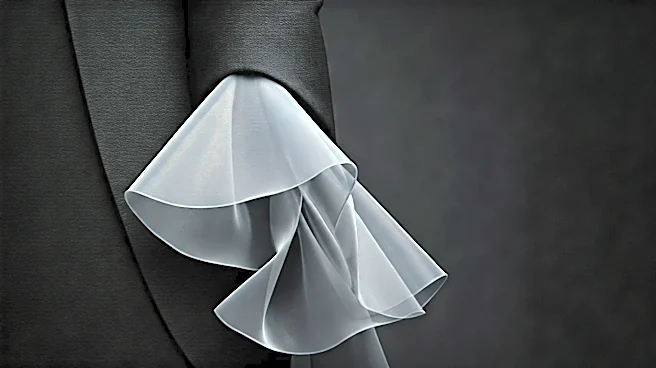
ateliers is different. It’s less about what’s underneath the fabric and more about the fabric itself—and the garment’s hidden framework. Think of it as the difference between a window and an X-ray. The former offers a view, but the latter reveals the structure. Designers are embracing a kind of sartorial X-ray, using gossamer-thin organza, silk chiffon, and technical mesh to expose a dress’s boning, a jacket’s seam allowances, or the intricate darting that gives a skirt its shape. This isn't about erasing the clothing; it's about deconstructing it in plain sight, turning the hidden craft of couture into the main event.
The View from the Runways
This intellectual approach to sheerness was impossible to miss. At Saint Laurent, creative director Anthony Vaccarello sent out a collection almost entirely composed of whisper-thin, stocking-like fabrics. Yet the effect wasn't merely risqué. The cling of the material mapped the body like a blueprint, while the sheer consistency turned every seam and hem into a deliberate graphic line. It felt severe, controlled, and utterly modern. Similarly, at Dior, Maria Grazia Chiuri has been exploring the power of organza for several seasons. She uses the stiff, transparent silk to create structured coats and dresses that float over other garments, creating ghostly layers that reveal and obscure simultaneously. It’s a game of silhouettes, where the outer layer provides form without color or opacity, forcing you to appreciate the shape itself. Other houses, from Loewe to emerging designers, are playing with similar ideas, using sheer panels to frame opaque sections or crafting entire looks that celebrate their own construction.
A Blueprint for Modern Power
So, what’s behind this shift? On one level, it’s a massive technical flex. Sewing and tailoring sheer fabrics into precise, structured forms is notoriously difficult. There’s no room for error; every stitch is visible. Presenting a perfectly constructed transparent garment is a testament to the skill of the artisan. But on a deeper level, it speaks to a changing idea of strength and vulnerability. Instead of armor-like power suits, this new power dressing suggests confidence comes from showing your work, from revealing your 'bones.' It’s a form of radical honesty translated into clothing. In a world of digital filters and curated realities, a garment that proudly displays its own inner workings feels refreshingly direct. It challenges the viewer to look closer and appreciate not just the final product, but the process and intelligence that went into creating it.
Fashion's Glass Houses
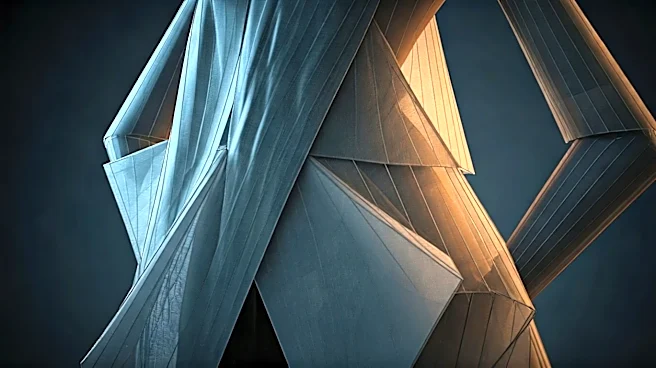
The most compelling part of this trend is its direct line to architectural modernism. Think of Philip Johnson’s Glass House or Mies van der Rohe’s Farnsworth House—buildings that used transparent walls to question the very idea of a boundary between inside and out. These architects believed that revealing a building’s steel frame was a form of structural honesty. Fashion designers are now applying that same principle to the body. The garment becomes a kind of personal architecture, a delicate framework that shelters but doesn’t hide. By making the seams, corsetry, and underpinnings visible, designers are celebrating the engineering of fashion. The result is a look that is both fragile and strong, ethereal and grounded, forcing us to see clothing less as decoration and more as a thoughtfully designed object.