



From Stage Lights to Sunlight
Long before it found a home in beach totes and bathroom cabinets, setting spray was a secret weapon in the entertainment industry. For decades, stage and film actors relied on heavy-duty cosmetics like greasepaint to maintain their character's appearance
under blistering hot lights. To prevent makeup from melting, smudging, or transferring during vigorous performances, makeup artists would use sprays to seal everything in place. These early versions were often closer to a hairspray for the face, creating a durable, if sometimes stiff, finish. Brands like Ben Nye, long associated with theatrical makeup, developed products specifically for this purpose. The core need was simple: to make makeup last through heat, sweat, and physical exertion. This professional-grade solution remained a niche product for years, known mostly to performers and industry insiders.
The Science of a Sweat-Proof Shield
So, what exactly is in these mists that gives them their seemingly magical staying power? The key lies with ingredients called film-forming polymers. Think of polymers as long-chain molecules that, when sprayed onto the skin, form a thin, flexible, and invisible film as the solvent (usually water or sometimes alcohol) evaporates. This film acts as a breathable shield over your makeup, locking it in place and providing a barrier against moisture from sweat and humidity. Common polymers you might see on an ingredient list include PVP (polyvinylpyrrolidone) and various acrylates copolymers. These ingredients are the workhorses that make a formula genuinely sweat-resistant and transfer-proof, ensuring your foundation and eyeshadow don't disappear by midday.
Why Summer Is Its Ultimate Test
The transition from a professional trick to a consumer staple happened when brands began creating more comfortable, skin-friendly formulas for everyday wear. Summer, with its trifecta of heat, humidity, and increased social activity, created the perfect storm of demand. A flawless face on a hot day can quickly become a challenge as high temperatures and humidity cause makeup to separate and slide. A good setting spray addresses this directly, helping makeup layers blend more seamlessly and resist the effects of moisture in the air. It's no longer just about surviving stage lights; it's about making it through a rooftop party, a day at the park, or a humid commute without your makeup melting down. This has made sweat-resistant setting spray a non-negotiable part of a 'serious summer edit' for many.
Choosing Your Ideal Summer Armor
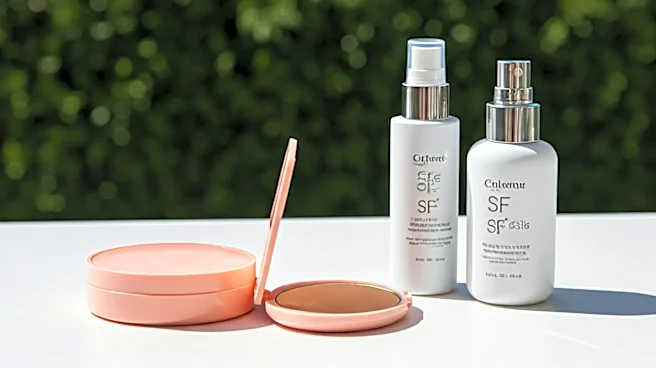
Not all setting sprays are created equal, and the right one for you depends on your skin type and desired finish. If you have oily skin, look for a matte setting spray, which often contains oil-absorbing ingredients like silica or kaolin clay to control shine. For those with dry skin, a hydrating formula is a better choice. Seek out ingredients like glycerin, aloe vera, or hyaluronic acid, which help lock in moisture and prevent makeup from looking cakey or settling into fine lines. Many modern sprays are also alcohol-free, making them a great option for sensitive skin. The finish is also a matter of preference; you can choose between a shine-free matte look or a radiant, dewy glow.
Application Makes All the Difference
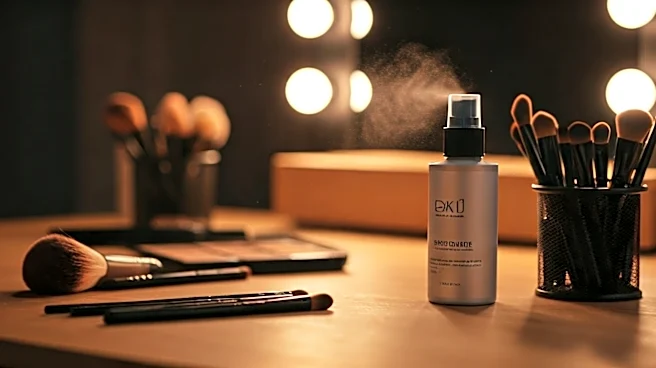
Owning the right spray is only half the battle; using it correctly is crucial for achieving that locked-in look. After you've finished applying all your makeup, from foundation to powder, shake the bottle well. Hold it about six to eight inches from your face and mist in an “X” and then a “T” formation to ensure even coverage. Let it air dry completely without touching your face. For even more staying power, some makeup artists recommend a multi-layer approach: spray it on before your foundation to act as a primer, and even between layers of makeup (like after concealer but before powder) to truly fuse everything together. This technique helps create a truly resilient base that can stand up to almost anything the summer heat throws at it.