







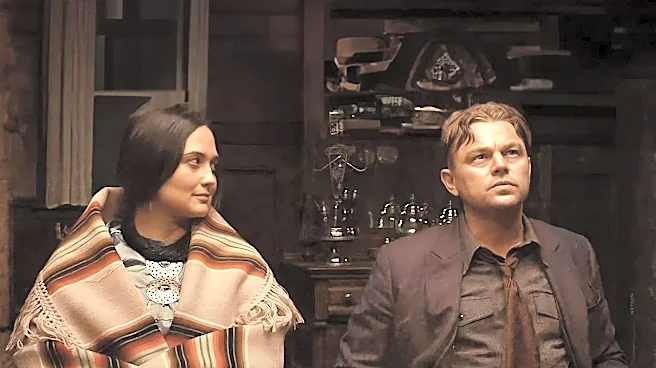

In the canon of stressful holiday movies, 'Pieces of April' holds a special place. At the heart of its frantic, funny, and deeply moving story is a simple domestic disaster: a broken oven on Thanksgiving Day. And it’s a crisis made palpable by Katie Holmes.
A Thanksgiving Recipe for Disaster
Peter Hedges’ 2003 indie darling sets up a scenario familiar to anyone who has ever dreaded a family gathering. April Burns (Katie Holmes), the estranged, punk-rock-styled black sheep of her suburban family, has invited them all to her tiny Lower East Side apartment for Thanksgiving. The stakes couldn't be higher. Her mother, Joy (a brilliant Patricia Clarkson), is dying of breast cancer, making this likely their last holiday together. April isn’t just cooking a turkey; she’s attempting to serve up a peace offering, a tangible symbol that she has finally gotten her life together after years of being the family screw-up. The meal is her one shot to prove she has changed, and for her family, the trip is a reluctant pilgrimage fueled by a mix of obligation, pity, and the faintest glimmer of hope.
The Cold, Unforgiving Heart of the Home
Just as April begins her culinary quest, the film introduces its central antagonist: the oven is broken. This isn't just a plot device; it's the physical manifestation of all of April's anxieties. That cold, useless box is a perfect metaphor for her fear of inadequacy and the massive gap between the perfect, forgiving day she imagines and her chaotic reality. The oven’s failure is what propels the entire narrative forward. It forces April, a young woman already isolated by her past, to venture out into her apartment building and rely on the kindness—or navigate the hostility—of strangers. Her frantic search for a working oven becomes a tour of humanity in miniature, introducing her to a cast of eccentric neighbors who will either help or hinder her desperate mission. The broken appliance transforms the story from an internal family drama into an odyssey through a vibrant, unpredictable community.
Katie Holmes and the Performance of Panic
A broken oven is a problem, but it’s Katie Holmes’s performance that elevates it to a point of near-unbearable stress. Holmes plays April with a wide-eyed, jittery energy that makes the audience feel every setback. Her portrayal is a masterclass in controlled panic. You see it in the way she frantically tries to mash raw potatoes, her shoulders tensed with frustration. You hear it in her voice as she pleads with neighbors, her tone shifting from hopeful to desperate. Holmes captures the specific terror of someone who knows they are one mistake away from confirming everyone’s worst assumptions about them. Her performance isn’t just about acting stressed; it’s about conveying the deep, painful history behind that stress. Every slammed door and rejected plea feels like a personal indictment of her character, making her quest for a hot oven feel as urgent as a life-or-death mission.
An Engine for Connection, Not Just Chaos
While the oven represents failure, its brokenness is ultimately what allows for grace to enter the story. The malfunction is the very thing that saves April from her own isolation. By forcing her out of her apartment, the film shows that connection often comes from crisis. She finds help from a kind African American couple, Evette and Gene, who offer their oven and their compassion. She later gets help from a Chinese family who, despite a language barrier, understand her need. These interactions build a new, temporary 'found family' around April, providing the support her own family is struggling to give. The broken oven, the symbol of her domestic failure, becomes the catalyst for the community and kindness she needs to succeed. It's a beautiful, ironic twist: the thing that breaks is what helps put all the other pieces together.