


The Spark: A Moment Goes Viral
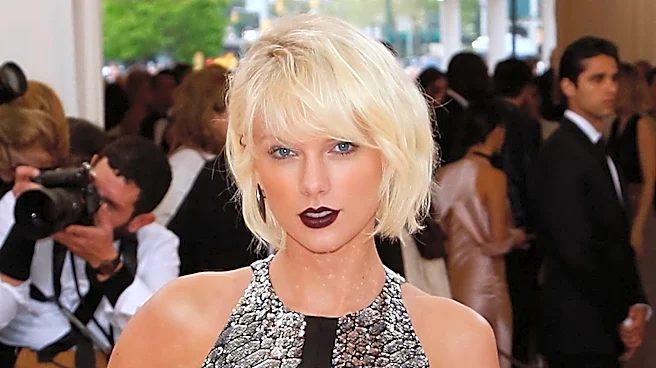
It all starts under the flashbulbs. A celebrity, working with a powerful stylist, steps onto the red carpet in a look designed to make a statement. Before the first award is even handed out, images of the outfit are dissected across social media platforms
like TikTok and Instagram. This isn't just about admiring a dress; it's the first and most crucial step. The immediate online buzz—the likes, shares, and memes—acts as a massive, real-time focus group. A look that generates millions of impressions has already been flagged as a potential trend, signaling to the entire fashion ecosystem that something significant has just happened.
The Digital Dissection: Data Meets Desire
In the hours and days that follow, the viral moment becomes a data point. Trend forecasting agencies, fashion editors, and brand analysts begin to quantify the buzz. They aren't just looking at which dress was prettiest; they're analyzing which silhouettes, colors, fabrics, and details captured the public's imagination. Was it the dramatic cape, the use of sheer fabric, or a specific shade of blue? Social media provides instant feedback, allowing the industry to see what resonates. Hashtags like #OOTD and fashion challenges amplify the look, creating communities around a new trend almost overnight. This digital dissection is what separates a fleeting moment from a commercially viable idea.
From Inspiration to Interpretation
This is where fast fashion and high-street brands spring into action. Their design teams don't simply create cheap knock-offs of a couture gown; that's a common misconception. Instead, they interpret the elements of the viral look for a mass audience. A gown’s dramatic, oversized tailoring might inspire a new line of blazers. The structured corsetry of an avant-garde piece could be translated into more wearable corset-style tops. A jaw-dropping color might become the must-have hue for the next season's accessories. The goal is to capture the essence of the trend and make it accessible, wearable, and, most importantly, affordable for the everyday consumer.
The Race to Retail: A Matter of Weeks
The speed of this process has accelerated dramatically thanks to technology and optimized supply chains. The old fashion calendar of two seasons a year has been replaced by a constant stream of new arrivals. Brands can now move from a design sketch inspired by a Sunday awards show to a physical product on their website in a matter of weeks. This rapid cycle is a response to consumer demand; shoppers see a look they love on social media and want to be able to buy it almost instantly. This ability to quickly test and produce trend-driven items is the core of the fast-fashion business model.
The Final Form: In Your Closet
By the time a red-carpet trend reaches your local mall or favorite online store, it has been transformed. The original look serves as the high-concept inspiration for a wide range of commercial products. That sheer, crystal-encrusted gown worn by a pop star might inform a new party dress with sheer sleeves or a top with subtle crystal embellishments. It's a trickle-down effect, but it's more of a rapid, widespread cascade. The process democratizes high fashion, allowing everyone to participate in the trends that are born during those glamorous, high-profile cultural moments.