





The Anatomy of a Final
Unlike a long league season where redemption can be a slow, steady grind over months, a final is a self-contained universe of consequence. Ninety minutes—or maybe 120, plus the nerve-shredding lottery of a penalty shootout—is all that separates glory
from heartbreak. There is no next week. This finality creates a unique psychological landscape. The global audience, the weight of a nation’s hopes, and the knowledge that one mistake can erase a lifetime of work often leads teams to play with a crippling sense of caution. They aren't just playing to win; they are playing desperately not to lose. This environment, fraught with tension and fatigue, is precisely what makes it the perfect theater for a hero to be unmade—or remade in spectacular fashion.
The Long Road to Absolution
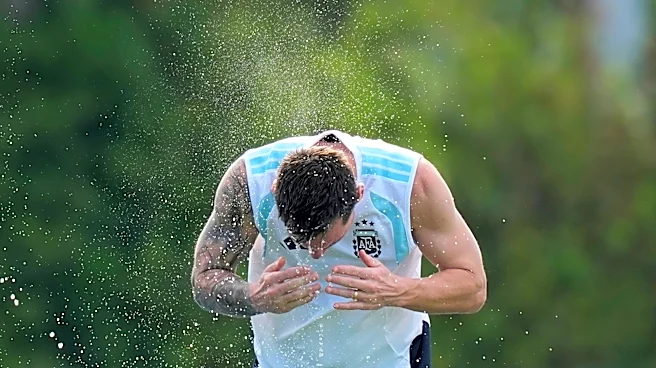
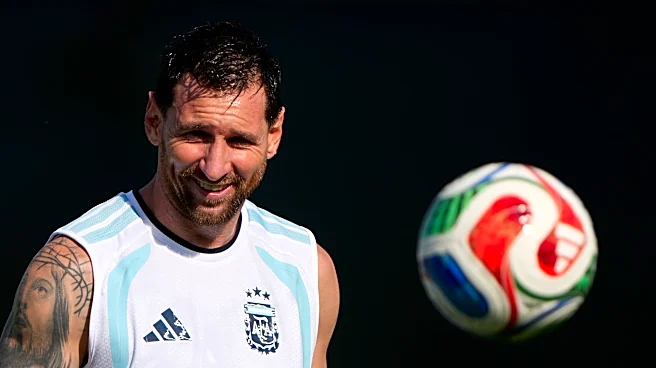
For years, the ghost of finals past haunted Lionel Messi, arguably the greatest player of his generation. After dragging Argentina to the 2014 World Cup final, he was forced to watch Germany celebrate a 1-0 victory. That loss was followed by two more crushing final defeats in the Copa América in 2015 and 2016, the second of which saw him miss a penalty in the shootout and briefly retire from the national team in despair. He had won everything at the club level, but his international career was defined by agonizing failure on the biggest stages. His story became a long, painful quest for that one missing piece. Then, in 2022, he returned to the World Cup final. This time, in one of the most dramatic finals ever played, he scored twice and converted his penalty in the shootout to vanquish France and finally lift the trophy, completing one of the sport's most epic redemption arcs.
Redemption in a Single Night
Sometimes, the fall and rise happen in the same game. Look no further than Didier Drogba in the 2012 Champions League final. Playing for Chelsea against Bayern Munich, in Bayern's home stadium, the narrative was already written against them. After Thomas Müller scored for Bayern late in the game, Chelsea's dream looked over. Then, in the 88th minute, Drogba rose to head in a powerful equalizer. But in extra time, he went from hero to villain, giving away a penalty that could have lost his team the cup. In a twist of fate, the penalty was saved. The match went to a shootout, and the final, decisive kick fell to Drogba himself—the same player who was sent off in the 2008 final and couldn't take a penalty as his team lost. This time, he calmly scored, winning Chelsea their first-ever Champions League title and securing his own personal absolution.
More Than Just a Trophy
These moments do more than just decide a championship; they redefine a player’s legacy. Without his World Cup win, Messi’s career would have always carried an asterisk for some critics. Without his 2012 heroics, Drogba’s story might have been one of a great striker who couldn’t quite conquer Europe. The redemption arc transforms a player’s narrative from one of “what if” to an immortal story of resilience. The pressure of a final creates the very demons that players must overcome. It’s a stage that demands a hero, but it often requires that hero to first face their deepest professional fears in front of the entire world. The failure is public, which makes the eventual triumph resonate so powerfully.