
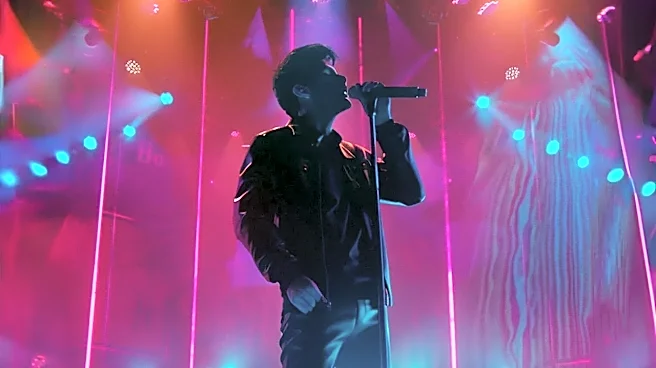
A Jigsaw Puzzle of Sound
The iHeartRadio Music Festival is famous for its eclectic lineups, and 2026 is no exception. The bill features K-pop titans BTS, hip-hop icon Cardi B, country star Kenny Chesney, and rock legends Muse, among others. While this diversity is a massive draw
for fans, it's a monumental headache for production crews. Each artist brings a unique sonic footprint. The booming 808s of a Cardi B track exist in a different universe from the intricate harmonies of a Lainey Wilson song or the stadium-rattling guitars of Weezer. Making each one sound perfect in the same arena, back-to-back, is the core challenge. It isn't a simple case of turning one channel down and another up; it's about re-calibrating an entire audio ecosystem in minutes.
The Battle Against the Clock
In a perfect world, every artist would get a full, leisurely soundcheck to dial in their mix. A festival, however, is anything but leisurely. With changeovers between acts often lasting just minutes, there is no time for traditional soundchecks. Most artists get what’s known as a “line check”—a quick, frantic process to ensure every microphone, instrument, and monitor is connected and working. Headliners might get a more thorough check early in the day before doors open, but for most, their first song is the real soundcheck, with engineers making adjustments on the fly. The entire event operates more like a live television broadcast than a standard concert, where hitting precise timings for a nationwide radio and streaming audience on platforms like Disney+ and Hulu is non-negotiable.
Gear, Glorious Gear
Think about the physical equipment. A band like Muse might have towering stacks of amplifiers, a massive drum kit, and a city of effects pedals. A pop act like Zara Larsson may prioritize a clean stage for choreography, relying on wireless microphones and in-ear monitors. All of this gear, known as backline, has to be moved on and off stage with military precision. The solution is a marvel of stagecraft: rolling risers. Entire band setups are pre-assembled on these massive platforms on wheels. When one artist finishes, their entire setup is rolled off as the next one is rolled on, already plugged into stage boxes that feed into the main sound system. It’s an intricate dance of stagehands and technicians working in controlled chaos just out of the audience's sight.
The Unsung Audio Heroes
The people responsible for making this all sound coherent are the audio engineers at the Front of House (FOH) and monitor positions. These are the experts who ensure the sound is pristine for the audience and that the performers can hear themselves on stage. Thanks to modern digital mixing consoles, engineers can save a baseline “show file” for each artist. When it’s time for Kenny Chesney’s set, the engineer can load a pre-programmed scene that gets them 90% of the way there, allowing them to fine-tune for the arena's specific acoustics and the energy of the live crowd. It’s a job that requires deep technical knowledge, quick problem-solving skills, and an ability to stay calm under immense pressure, making them the true unsung heroes of the festival experience.