







The Friendship That Broke the World
Before they were the Green Queen and the Black Queen, they were just Rhaenyra and Alicent: two girls navigating the suffocating confines of the Red Keep. Their bond, built on shared secrets and stolen moments in the godswood, was the show’s first and most
important relationship. Its destruction is the story’s original sin. When Alicent's father, Otto Hightower, pushes her into the orbit of the grieving King Viserys, he doesn’t just secure his family’s position; he poisons the only pure friendship in the court. Rhaenyra sees it as a betrayal of loyalty. Alicent sees it as a duty she never asked for. That single fissure—a friendship sacrificed for ambition and patriarchal duty—creates a wound that never closes. Every subsequent slight, from Rhaenyra’s lies about her virtue to Alicent’s performative piety, is just salt being rubbed into that initial cut.
The Failure of a Well-Meaning Father
King Viserys I Targaryen is one of the great tragic figures of this story, not because he is a tyrant, but because he is a deeply flawed and ineffectual father. He loves Rhaenyra, but his love is conditional on her conforming to the roles he sets. He feels a duty to Alicent, but he is blind to the prison his marriage has become for her. His defining characteristic is a desperate desire for everyone to simply get along, a fatal miscalculation in a family of dragons. By refusing to decisively discipline his children, punish transgressions, or make unpopular choices, Viserys creates a power vacuum. He believes he is keeping the peace, but he is actually creating a perfect incubator for resentment. His children and grandchildren learn a crucial lesson: there are no real consequences for their actions, only for their father’s feelings. This passivity doesn't prevent war; it guarantees it.
Passing Down the Poison
The conflict between Rhaenyra and Alicent doesn’t remain their own for long. It is passed down, like a cursed inheritance, to their sons. The Targaryen and Velaryon boys are not just cousins; they are soldiers in a cold war being fought by their mothers. The constant whispers about the legitimacy of Rhaenyra’s “strong boys” are not just court gossip; they are attacks on their very right to exist. The bullying of Aemond Targaryen, which culminates in the loss of his eye, isn’t just a childish spat. It’s the moment the conflict becomes physical, branding a symbol of the family’s division onto a child’s face. Aemond’s chilling response—"It was a fair exchange. I may have lost an eye, but I gained a dragon"—is the sound of a childhood wound hardening into warrior’s resolve. The boys are forced to carry their parents' grudges, transforming personal animosity into a blood feud that spans generations.
The Throne Is Just an Excuse
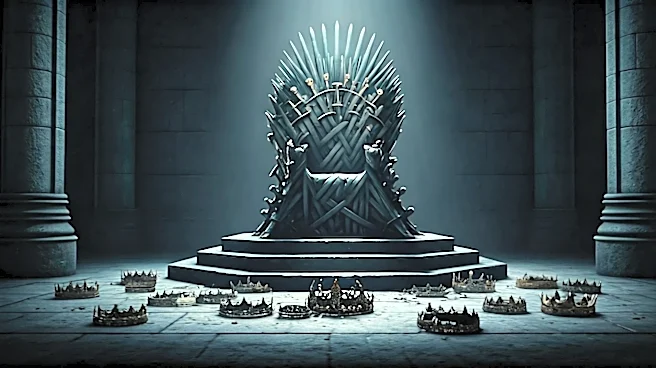
By the time Viserys breathes his last, the Iron Throne is almost incidental. The war that follows, the Dance of the Dragons, is framed as a succession crisis, but its true fuel is a lifetime of perceived slights and emotional injuries. Alicent doesn's crown Aegon simply because she misinterprets the king’s dying words; she does it because for twenty years, she has felt overlooked, judged, and terrified by what Rhaenyra’s ascent would mean for her and her children. Rhaenyra doesn’t fight back simply for her birthright; she fights because her former best friend has stolen her father’s legacy and threatened her sons. The war isn’t a political disagreement that turns personal. It’s a series of personal wounds that finally finds a political excuse to erupt into open flame and bloodshed.