




Meet the New Primetime Protagonists
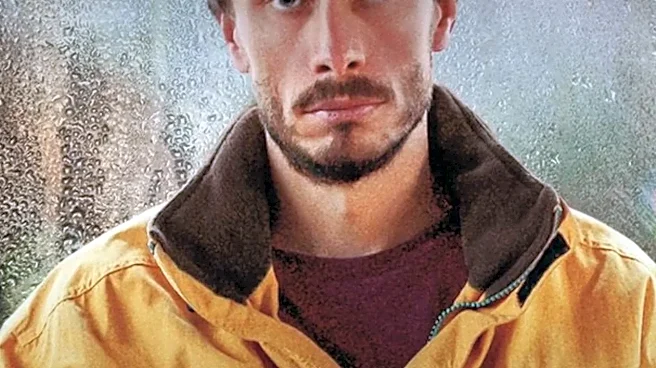
This autumn’s schedule is stacked with characters who operate in the gray spaces between right and wrong. Look at the return of Jeremy Renner in Paramount+'s “Mayor of Kingstown,” where his character, Mike McLusky, brokers peace between cops and criminals
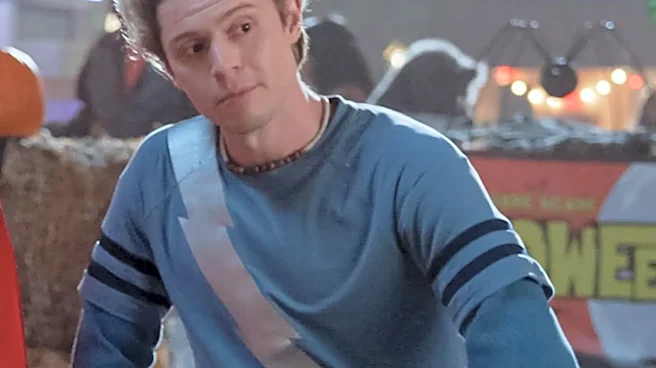
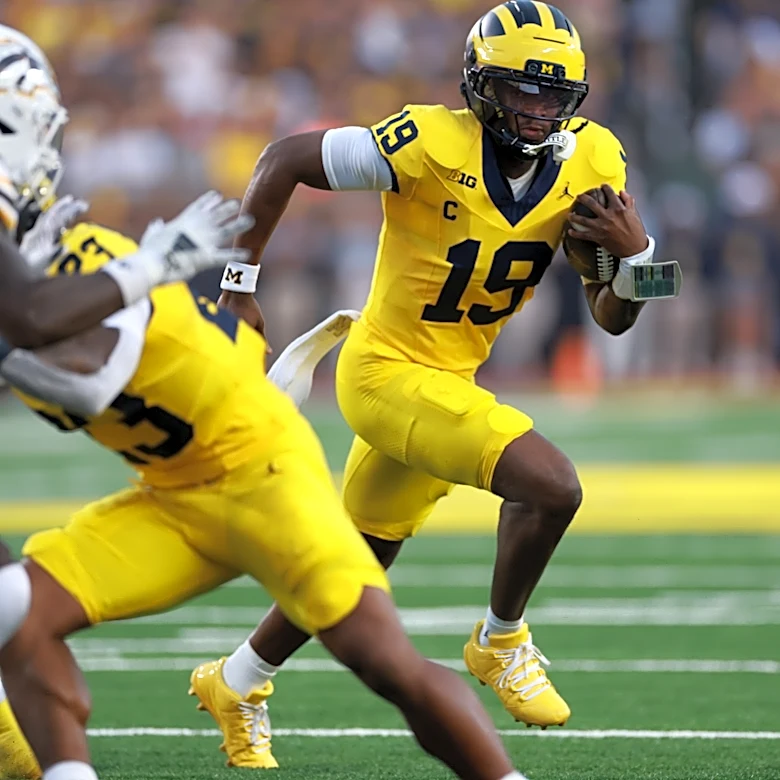
through deeply compromised means. Then there's HBO's new series “Youth,” where creator and star Sharon Horgan plays a divorcée navigating a chaotic life, continuing her signature style of crafting painfully relatable and flawed people. Even family-friendly premises are getting a complex treatment. Hulu's sports dramedy “Chad Powers” centers on a disgraced quarterback (Glen Powell) living a lie to reclaim his glory, a premise built entirely on deception for a sympathetic goal. These aren't villains; they are the heroes of their own stories, and their internal conflicts are the main event.
Why We're Drawn to Imperfection
So, why the sudden surge? The appeal lies in authenticity. In an era of skepticism, audiences are less interested in aspiring to perfection and more in seeing themselves reflected on screen, flaws and all. Perfect characters can feel artificial, but an antihero’s struggles feel genuine. We connect with their poor decisions and internal conflicts because we recognize our own capacity for error. There's also a vicarious thrill in watching someone break the rules we live by. Characters like Tony Soprano or Walter White became cultural icons because they allow viewers to safely explore the darker sides of human nature. Today's messy protagonists are the natural evolution of that trend, offering psychological depth that makes their stories compelling and unpredictable.
A Blurring of Genre and Morality
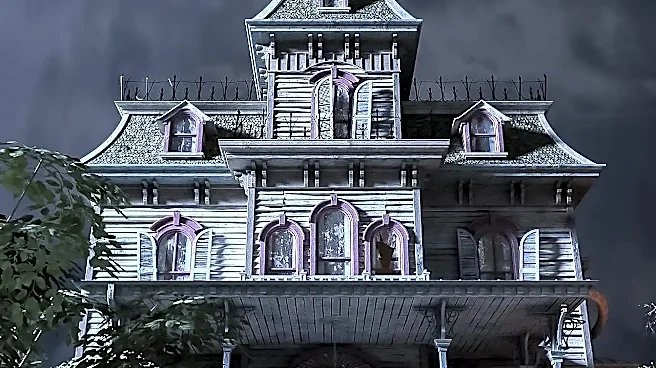
The rise of the messy protagonist is also changing how stories are told. Prime Video’s “Blade Runner 2099” is set to flip the franchise's script, presenting a world where Replicants are in power and humans are the underclass, instantly blurring the lines of who to root for. Even the horror genre is getting more complex. Peacock's “Crystal Lake,” a prequel to “Friday the 13th,” aims to explore the psychology of Pamela Voorhees, turning a classic slasher villain into a potentially empathetic figure. This character-first approach creates a richer viewing experience. When you understand a character’s motivations, even if you don’t approve of their actions, you become more intellectually and emotionally invested in their journey. It’s less about whether they will win and more about understanding the cost of their choices.
The Streaming Effect on Storytelling
This trend has been accelerated by the television industry itself. The decline of the traditional, ad-break-driven network model and the rise of streaming platforms have given creators the freedom to tell more serialized, novelistic stories. Binge-watching allows for slow-burn character development, where a protagonist’s moral compass can erode—or be rebuilt—over many hours. A character doesn't have to be instantly likable to anchor a show anymore. Instead, they can be fascinating, frustrating, and deeply human, compelling viewers to click “next episode” to see what questionable decision they'll make next. This format encourages a deeper dive into the human psyche, something that modern audiences, hungry for realism, have come to expect and demand from their entertainment.