



A Pressure Cooker of a True Story
To understand the fire in Al Pacino’s performance, you have to understand the furnace of the film’s plot. Released in 1999, “The Insider” is the real-life story of Jeffrey Wigand (Russell Crowe), a tobacco industry scientist who decides to blow the whistle
on Big Tobacco’s lies. Pacino plays Lowell Bergman, the tenacious “60 Minutes” producer who guides, protects, and pushes Wigand to tell his story on national television. The film is a masterclass in tension, built not on car chases but on whispered threats, corporate intimidation, and the psychological toll of speaking truth to immense power. Director Michael Mann steeped the production in the same paranoia and high-stakes atmosphere that the real-life figures endured, creating a world where every phone call could be a threat and every decision a moral compromise.
A Collision of Control and Chaos
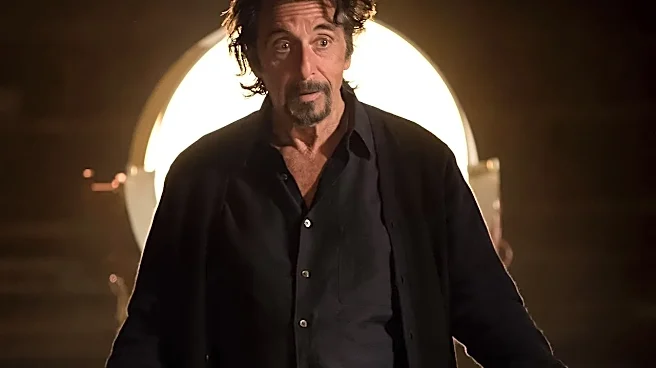
Michael Mann is a famously meticulous director, known for his obsessive attention to detail and realism. Al Pacino, on the other hand, is a force of nature, an actor legendary for his explosive energy and a performative style that often feels like it’s teetering on the edge of pure improvisation. This pairing was a perfect storm. Mann built the rigid, high-pressure container of the story, and Pacino filled it with a raw, unpredictable fury that perfectly captured Lowell Bergman’s righteous indignation. Bergman, a career newsman, finds himself fighting not just the tobacco industry but his own network, CBS, when it gets cold feet about airing the story. Pacino’s performance channels the rage of a man whose entire professional and moral code is being violated by the very people he works for.
The Scene on the Windswept Beach
One of the film’s most iconic sequences showcases this dynamic perfectly. Bergman is on a windswept beach, desperately trying to reach Wigand by phone after the whistleblower has been battered into silence by legal threats and a vicious smear campaign. The reception is failing, the wind is howling, and Bergman’s frustration boils over. Pacing into the tide, he screams into the phone, his voice cracking with a mix of fury and desperation. The raw power of this moment feels utterly spontaneous, a man pushed past his breaking point. The dramatic shot, with a storm brewing in the background, mirrors Bergman’s internal turmoil as he stands on the edge of losing the biggest story of his life. It’s a scene so visceral it feels less like a performance and more like witnessing a genuine meltdown.
The Power of Performative Spontaneity
While many famous Pacino lines in other films were genuinely improvised—like his notorious outburst in Michael Mann's earlier film “Heat”—the power of “The Insider” comes from a different kind of magic. It’s not necessarily about ad-libbing words but about delivering scripted dialogue with such overwhelming emotional truth that it feels like it’s being born in the moment. Pacino’s Bergman doesn’t just say the lines; he rips them from his soul. When he confronts his bosses at CBS, his questions are less about dialogue and more about the eruption of a man’s conscience. This is the “improvisation” the audience feels: a spontaneity of spirit. It’s the illusion of the first time, a skill that separates good actors from cinematic legends. Pacino makes you believe that Lowell Bergman is forming these furious, desperate thoughts right there on screen.
A Legacy of Feeling Real
Ultimately, the legend of an improvised line in “The Insider” speaks to the success of the film’s central goal: to make the audience feel the intense, subjective experience of its characters. The movie is filled with stellar, tightly controlled performances, from Russell Crowe’s tormented Wigand to Christopher Plummer’s conflicted Mike Wallace. But it’s Pacino’s portrayal of Bergman that provides the story’s raging heartbeat. His performance is a masterclass in how an actor can honor a script while imbuing it with a sense of danger and unpredictability. The character’s frustration with corporate doublespeak and journalistic cowardice becomes Pacino’s fuel. The moments that feel improvised are famous not because they were off-script, but because they were delivered with a conviction that felt more honest than any written word.