
When the 2026 CMA Awards air, all eyes will be on Entertainer of the Year. But the most interesting story isn't the main event. A quieter race reveals the growing gap between radio hits and what the industry
itself values most.
Radio Isn't Everything
Country radio has long been the kingmaker in Nashville, with airplay directly fueling awards campaigns. An artist with a string of No. 1 hits was a near-lock for major nominations. But the CMA Awards aren't fan-voted; they're decided by thousands of industry professionals. These voters—artists, producers, songwriters, and executives—often look beyond chart performance to reward projects that push the genre forward, demonstrate exceptional artistry, or create a significant cultural moment outside the traditional radio machine. While blockbuster albums from artists like Ella Langley and Luke Combs dominate the conversation, other categories offer a glimpse into the soul of the industry. This year, that soul-searching is on full display in the Musical Event of the Year category.
The Showdown: Radio Darling vs. Critical Acclaim
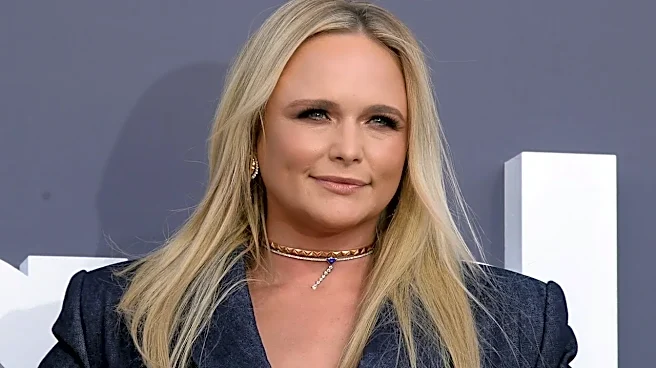
The 2026 Musical Event of the Year category presents a classic Nashville dilemma. On one side, you have the commercial juggernaut: 'I Can't Love You Anymore' by Ella Langley and Morgan Wallen. Langley is the year's most-nominated artist, and pairing her with the genre's biggest superstar on a radio-friendly track makes it the presumptive favorite for many casual viewers. On the other side is a collaboration that buzzed in different circles: 'A Song To Sing' by Miranda Lambert and Chris Stapleton. This pairing of two of the industry's most respected vocalists and writers wasn't a massive radio hit, but it was a masterclass in performance that resonated deeply with their peers—the very people who cast the votes.
The Case for an Upset
While Langley and Wallen have the numbers, Lambert and Stapleton have the narrative. CMA voters love to reward 'music for music's sake', and 'A Song To Sing' is precisely that. It's a powerful, lyrically driven performance that showcases the kind of vocal and emotional depth that fellow musicians admire. A win for them would be a statement, signaling that even in an era dominated by streaming and radio saturation, a perfectly executed song by two legends can still cut through. It also helps that Lambert and Stapleton are perennial favorites in the room, with Stapleton in particular being a seven-time Male Vocalist of the Year winner. Their combined credibility is a formidable force against the raw popularity of their competitors.
What a Surprise Win Would Mean
If Miranda Lambert and Chris Stapleton pull off the win, it will be seen as a quiet rebellion against the homogenization of country radio. It would tell the world that the Nashville establishment, while happy to profit from radio hits, still reserves its highest peer-given honors for what it deems 'art'. Such a result wouldn't diminish the incredible success of artists like Ella Langley, who is poised to have a huge night regardless. Instead, it would reinforce the idea that there are multiple paths to the podium. One path is paved with massive commercial success and radio airplay. The other is built on a foundation of critical respect and peer admiration, proving that on Country Music's Biggest Night, sometimes the industry's inside voice speaks louder than the airwaves.