




The Lost Art of Appointment Viewing
For a while, the concept of a “watercooler” show felt like a relic from a bygone era. It belonged to a time of shared schedules and cultural monoculture, when millions of people gathered to watch Tony Soprano’s final moments or debate the mysteries of the island
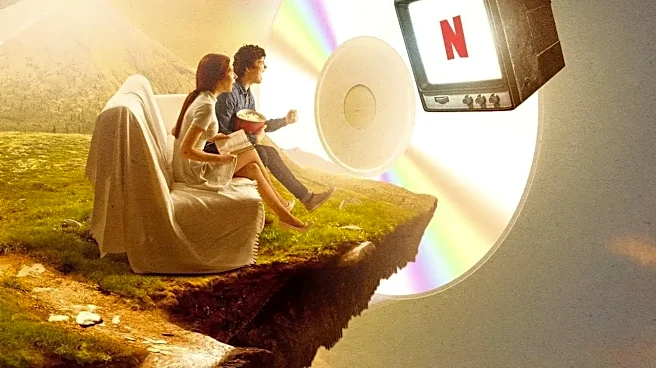
on Lost. Then came the streaming revolution, led by Netflix’s binge-and-go model. The communal experience was replaced by a solo sprint through an entire season in a weekend. Discussion was stifled by a minefield of spoilers, and the sheer volume of content meant your coworker was probably watching a completely different show anyway. The shared cultural campfire that television once provided was extinguished, replaced by thousands of individual glowing screens.
The Streaming Correction
In recent years, however, streaming giants have started to look back to TV’s old playbook. The reason is simple: business. Releasing every episode at once often leads to a single weekend of buzz, followed by silence. Subscribers might join for a hit show, binge it, and then cancel. But a weekly release schedule keeps a show in the cultural conversation for months. It allows for suspense to build, fan theories to flourish on social media, and sustained media coverage. Data shows that staggered releases can lead to higher subscriber retention and more search activity over the show's run. Streamers like HBO have long championed this model, and now competitors like Prime Video and even Netflix are strategically deploying it for their biggest titles, recognizing its power to create a cultural event rather than a fleeting distraction.
Meet the Fall 2026 Contenders
This fall’s lineup is uniquely positioned to capitalize on this trend. Leading the charge is HBO’s hugely anticipated Harry Potter series, a show with a built-in global fanbase ready to dissect every detail week by week. Prime Video is unleashing a triple threat of genre powerhouses: the third season of The Lord of the Rings: The Rings of Power, the sleek sci-fi sequel Blade Runner 2099 starring Michelle Yeoh, and Mike Flanagan's modern take on Stephen King's Carrie. These aren't just shows; they're events built on massive intellectual property. Add in the Reacher spinoff Neagley and the DC Comics series Lanterns, and you have a schedule packed with series designed for week-over-week discussion and debate.
More Than Just Avoiding Spoilers
The return of the weekly-release blockbuster is about more than just managing spoilers or keeping subscribers hooked. It’s about rebuilding a shared experience. When everyone is on the same page of the story, a show becomes a public square. It fuels memes, podcasts, and endless debates among friends. It gives us a collective narrative to follow in an increasingly fractured media landscape. Watching a shocking twist unfold at the same time as millions of others creates a powerful sense of connection. The thrill isn't just in what happens next on screen, but in the conversations that happen off-screen—at the proverbial watercooler, be it in the office or on a group chat.