



From Stuffy Podiums to Living Tributes
Traditional awards shows often felt disconnected from the art they claimed to celebrate. For a culture as vibrant and competitive as hip-hop, a golden gramophone or a static trophy felt insufficient. The genre's foundations are built on live performance,
lyrical battles, and earning respect through skill. In response, a new philosophy of recognition emerged. It started with the VH1 Hip Hop Honors, which first aired in 2004. This show prioritized honoring the genre's pioneers not just with a trophy, but with elaborate, multi-artist tribute performances. Instead of a brief video package, viewers saw contemporary artists performing the hits of legends like Run-DMC or Rakim, often with the legends themselves joining in. This made the honor a living, breathing celebration, connecting the genre's past and present on one stage.
The Cypher as the Ultimate Co-Sign
While VH1 focused on honoring the past, the BET Hip Hop Awards, which launched in 2006, introduced the element that would become its signature: the cypher. Pre-taped and aired during the show, these segments stripped everything away but the core elements of emceeing: a beat, a mic, and raw lyrical talent. The cypher wasn't a tribute in the traditional sense; it was a trial by fire. A spot in a BET cypher was a powerful co-sign from the culture itself, a declaration that you had the skills to stand among the best. It became a ritual where a new artist could become a household name overnight with a single, electrifying verse, making participation as valuable, if not more so, than winning an award.
Where Moments Became More than Trophies
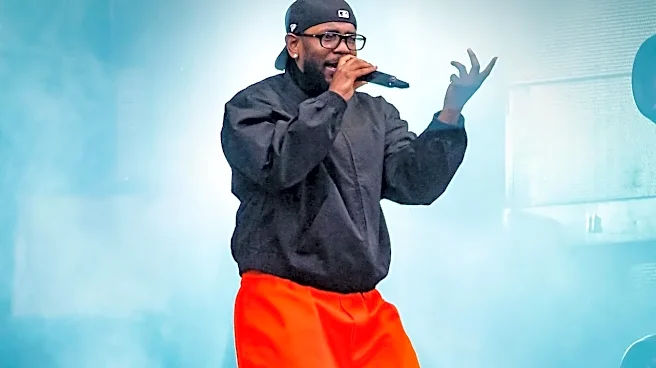
The impact of these performance-based honors created moments that have outlasted the memory of who won what. When the Shady Records 2.0 crew took over the 2011 BET cypher, Eminem, Yelawolf, and Slaughterhouse created a lyrical spectacle that is still dissected by fans. Similarly, Kendrick Lamar’s verse in the 2013 TDE cypher was a seismic event, a direct challenge to the industry that cemented his place at the top of the rap game. On the VH1 side, seeing artists like T.I. and Black Thought pay tribute to Big Daddy Kane in 2005 wasn't just a performance; it was an acknowledgment of lineage and influence. These shows understood that in hip-hop, respect is the ultimate currency, and the most potent way to show it is through the art form itself.
A Legacy of Performance as Praise
This shift in focus had a lasting effect. It provided a necessary platform for artists often overlooked by mainstream ceremonies that struggled to understand the nuances of the genre. The emphasis on live skill created a space where authenticity and lyrical ability were the main criteria for recognition, not just commercial success. Whether it was a veteran like Snoop Dogg freestyling, a group of rising stars creating a viral moment, or an all-female cypher celebrating the women of the genre, the format was clear: the performance was the point. It turned the act of honoring an artist into an extension of their art, creating a powerful feedback loop where the culture celebrated itself on its own terms.