

It’s Not the Music (Entirely)
Let’s get this out of the way: if your songs are bad, nothing can save you. But in a festival setting where dozens of talented artists are competing for ear-time, musical skill is just the ticket to entry. The real challenge is making your set an experience.
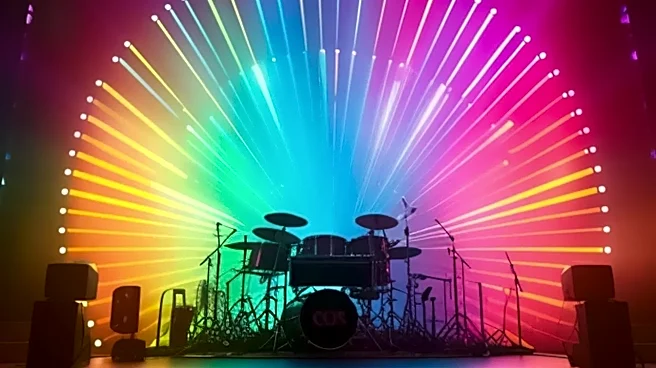
The one stage element that can elevate a solid performance into a memorable one is a cohesive and dynamic visual identity, specifically through lighting and integrated graphics. This isn't about simply illuminating the band; it's about building a self-contained world on stage that makes the audience feel like they've arrived at a destination, not just stumbled upon another act. Research shows that pairing music with strong visuals cements stronger memories, making moments that combine sound and sight more likely to persist long after the festival ends.
Creating a World in 30 Minutes
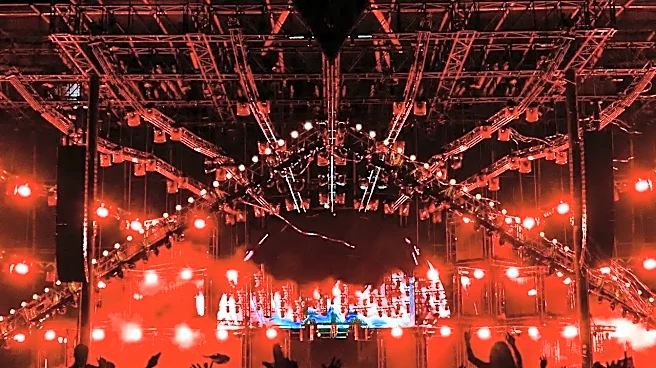
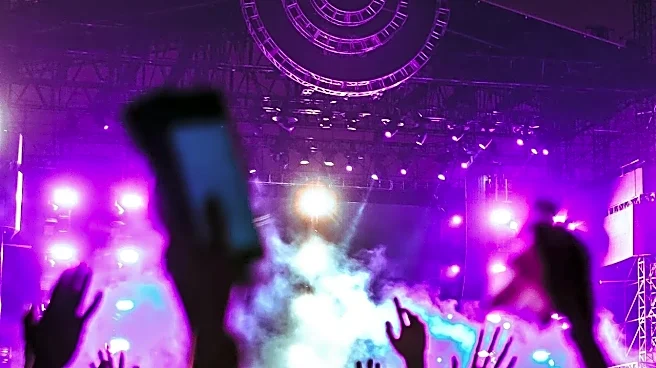
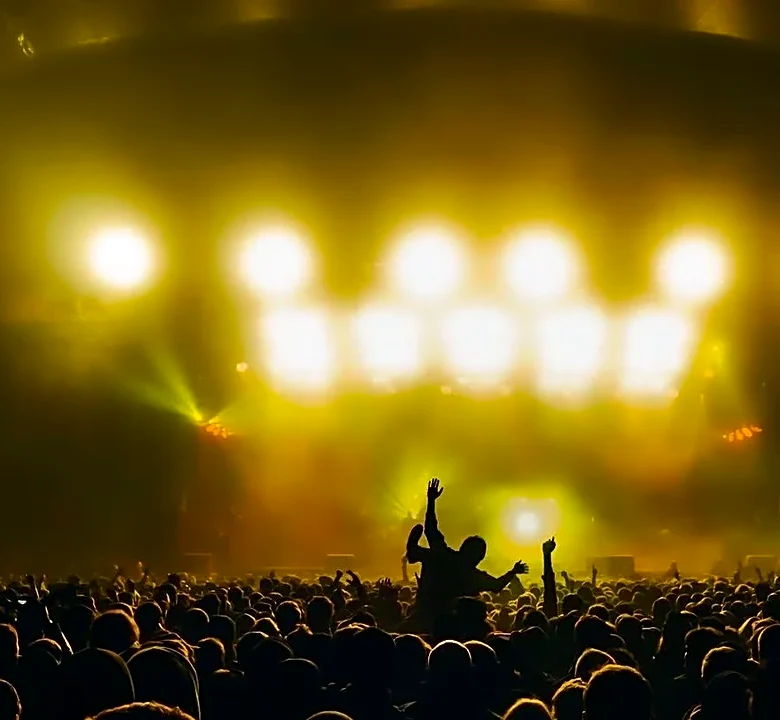
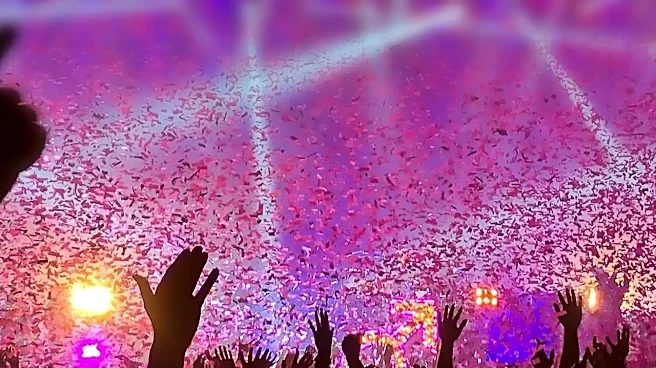
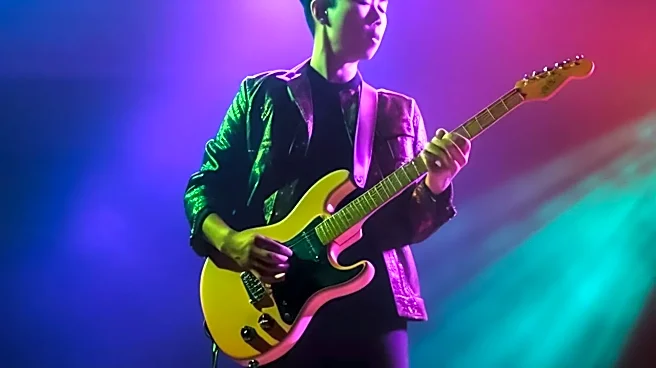
A festival is visual chaos. A sea of people, competing branding, and the often-generic look of a shared stage can cause bands to blend together. A strong visual presentation acts as a powerful anchor. By using a deliberate color palette, synchronized lighting cues, and even simple, custom graphics on a back-screen, a band can immediately establish a unique mood. This creates what performance designers call a multi-dimensional space, an environment that draws the audience in and extends the experience beyond the performers themselves. Bright, fast-moving lights can create high-energy moments, while deep blues and purples can craft intimacy for a ballad, guiding the audience's emotional journey. This visual storytelling transforms a collection of songs into a unified narrative, making the entire set feel more intentional and immersive.
The Practical and Psychological Edge
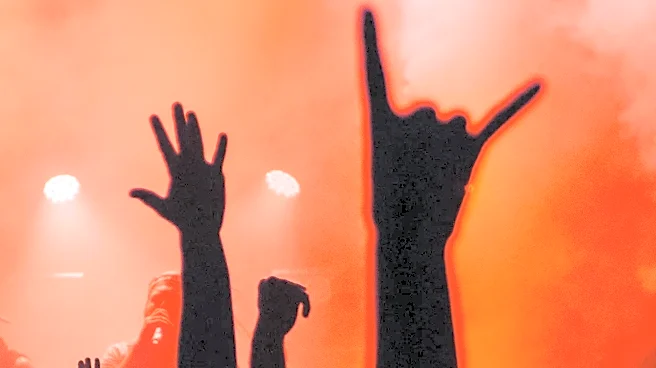
This doesn't require a seven-figure production budget. Even for an up-and-coming band, the tools are more accessible than ever. A laptop running lighting software, a few well-placed LED bars, or a single projector with custom content can be enough to create a signature look. The effect is twofold. Psychologically, it signals professionalism and intent. An act with a thought-out visual aesthetic immediately appears more established and serious about their craft. Practically, it makes the performance instantly more shareable. In an era of social media, a striking visual moment—a silhouette against a blood-red screen, a strobe-lit crescendo, a unique gobo projection—is far more likely to be photographed and posted, amplifying the band's reach organically. Lighting directs the audience's attention, ensuring that key moments in the performance land with maximum impact.
Lessons from the Stage
Think of the most iconic festival headliners. Their sets are rarely just about the music. Artists like Billie Eilish use stark, often unsettling visuals to create a sense of intimacy even in a crowd of 80,000. Electronic artists have long understood this power, using precisely timed lighting and video to build and release tension, turning their sets into sensory journeys. These elements aren't just decoration; they are an extension of the music itself, reinforcing its structure and emotional core. They communicate a distinct point of view and give the music a recognizable world to live in. By taking a cue from the pros and investing in a scalable visual strategy, any band can punch far above its weight on a festival bill.