

The Anticipation Is Part of the Fun
For many hardcore fans, the excitement for a new season isn't just about watching the show; it's about the entire ritual leading up to it. The pre-season period is a playground for speculation and community engagement. Social media platforms and forums
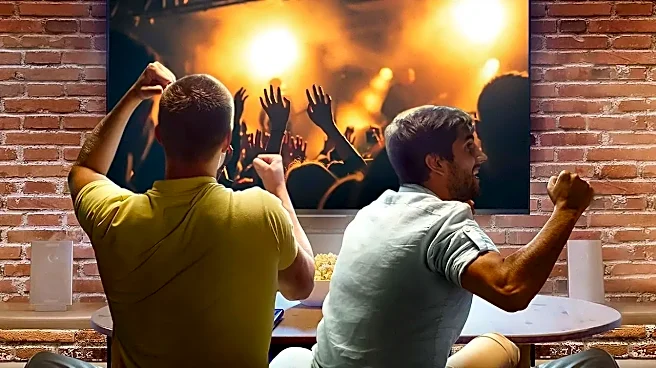
become vibrant hubs where fans dissect trailers, debate theories, and collectively build hype. This shared anticipation creates a sense of belonging and kinship long before episode one airs. In this sense, building a watchlist isn't a passive act of scheduling. It’s an active participation in fan culture, a way to join a global conversation and feel connected to a community that shares your passion. The speculation, the arguments, the hope—it's all part of the entertainment itself.
Loyalty to Creators, Not Just Content
In the modern television landscape, showrunners are the new auteurs. Much like film buffs follow directors, savvy TV fans pledge allegiance to specific writers and producers. Names like Shonda Rhimes, Taylor Sheridan, or Mike Flanagan have become brands in themselves, guaranteeing a certain style, quality, or genre. This creator loyalty often renders reviews irrelevant. If a trusted showrunner is behind a new project, it earns an automatic spot on the watchlist. Fans aren't just betting on a cool premise; they're investing in a proven track record. They know the storytelling sensibilities, thematic concerns, and character archetypes the creator favors, making the new show feel like a reunion with a favorite artist rather than a blind date.
A Survival Guide for 'Peak TV'
We live in an age of overwhelming choice. With hundreds of new shows premiering each year across broadcast, cable, and a dozen streaming services, content overload is a real phenomenon. The fall watchlist, in this context, is not an act of obsessive fandom but a crucial survival tool. It’s a way to impose order on chaos. Instead of endlessly scrolling through menus and getting paralyzed by choice, these fans create a personalized roadmap. By pre-selecting a manageable number of shows based on genre, cast, source material, or creative team, they ensure they don't miss out on the series they're most likely to love. It transforms the viewing experience from a stressful chore into a curated, intentional activity.
The Social Currency of Day-One Viewing
In today's spoiler-phobic, meme-driven culture, timing is everything. Watching a buzzy new show on its release day is essential for anyone who wants to participate in the real-time cultural conversation. Hardcore fans build watchlists to be ready for the starting gun. This allows them to engage with live-tweeting, dive into Reddit discussion threads, and enjoy fan-made content without fear of having a major plot point ruined. Being a part of that initial wave of viewers carries a certain social currency; it’s about being in the know and sharing in a collective experience as it unfolds. For these fans, waiting for reviews means risking being left behind in a conversation that moves at the speed of social media.
It's a Calculated Bet, Not a Blind One
While it may seem like fans are committing to shows sight-unseen, their decisions are often more calculated than they appear. They are making educated guesses based on a wealth of pre-release information. A compelling trailer, a beloved actor in the lead role, an adaptation of a popular book or comic, or a connection to an existing cinematic universe all provide powerful signals of a show's potential. These elements allow fans to assess whether a new series aligns with their personal tastes. They aren't necessarily trying to predict if a show will be a universal critical darling; they're predicting if it will be a hit for them. It's a personal form of criticism that values premise and potential over a formal review.